


House Martin
Delichon urbicum
- KingdomAnimalia (Animals)
- PhylumChordata (Cordats)
- ClassAves (Aus)
- OrderPasseriformes
- FamilyHirundinidae (Swallows and Martins)
- GenusDelichon (House Martins)
- SpeciesDelichon urbicum (House Martin)
The western house martin (Delichon urbicum), sometimes called the common house martin, northern house martin or, particularly in Europe, just house martin, is a migratory passerine bird of the swallow family which breeds in Europe, north Africa and west-central Asia; and winters in sub-Saharan Africa and southwestern Asia. It feeds on insects which are caught in flight, and it migrates to climates where flying insects are plentiful. It has a blue head and upperparts, white rump and pure white underparts, and is found in both open country and near human habitation. It is similar in appearance to the two other martin species of the genus Delichon, which are both endemic to eastern and southern Asia. It has two accepted subspecies. Both the scientific and colloquial name of the bird are related to its use of human-made structures. Wikipedia →
20–30% of wildlife watchers report a House Martin sighting in Snowdonia National Park, based on 363 days of visitor records from GBIF citizen-science data.
Closest Relatives at Snowdonia National Park

Barn Swallow
Hirundo rustica

Bank Swallow
Riparia riparia

European Robin
Erithacus rubecula

Carrion Crow
Corvus corone

Eurasian Blackbird
Turdus merula
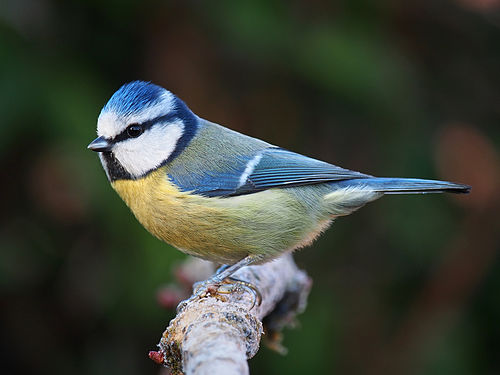
Blue Tit
Cyanistes caeruleus

Great Tit
Parus major

Eurasian Magpie
Pica pica

Chaffinch
Fringilla coelebs

Eurasian Wren
Troglodytes troglodytes

Dunnock
Prunella modularis

Eurasian Goldfinch
Carduelis carduelis
📅 Monthly Probability
☀️ When They're Spotted
Most active during daytime hours (6am–6pm) · across all parks (global)
Global Distribution
Where this species is recorded worldwide. Restricted to human observations from 2019 onwards — the same kind of record and the same period the probabilities on this page are built from, so collar-tracking studies, camera-trap arrays and museum specimens are excluded. Around Santa Rosa that removes 5,924 GPS fixes from a handful of tagged jaguars.
where this species is recorded (GBIF density — it tracks where observers go, not how likely a sighting is) · parks where it occurs — tap a pin for the sighting probability there
Parks Where Found
Quick answers
What are the chances of seeing a House Martin in Snowdonia National Park?
About 21% of wildlife watchers report a House Martin sighting in Snowdonia National Park, based on 363 days of visitor records from GBIF citizen-science data.
When is the best time to see House Martin in Snowdonia National Park?
June has the highest sighting rate for House Martin in Snowdonia National Park in our monthly data.