Lake Manyara National Park
🇹🇿 Tanzania
🦁 Lion Nests Among Acacia CanopiesLake Manyara National Park is a protected wetland and groundwater forest situated in Tanzania, tucked beneath the steep red cliffs of the Great Rift Valley escarpment. This compact reserve differs from nearby acacia savannas through its permanent alkaline lake, dense woodlands, and open grassy floodplains fed by underground springs.
-3.563° S 35.756° E
Wildlife
⭐ Iconic Species
 ★
★ Lion
Panthera leo
 ★
★ Greater Flamingo
Phoenicopterus roseus
 ★
★ African Fish-Eagle
Haliaeetus vocifer
 ★
★ African Bush Elephant
Loxodonta africana
📊 Most Spotted

Olive Baboon
Papio anubis

Common Bulbul
Pycnonotus barbatus

Vervet Monkey
Chlorocebus pygerythrus

Silvery-cheeked Hornbill
Bycanistes brevis

Impala
Aepyceros melampus

Speckled Mousebird
Colius striatus

Crowned Hornbill
Lophoceros alboterminatus

Emerald-spotted Wood-Dove
Turtur chalcospilos

Northern Bushbuck
Tragelaphus scriptus

Fork-tailed Drongo
Dicrurus adsimilis

Northern White-crowned Shrike
Eurocephalus ruppelli

Little Egret
Egretta garzetta
⭐ Iconic Species
📊 Most Spotted
Olive Baboon
Papio anubis
Vervet Monkey
Chlorocebus pygerythrus
Impala
Aepyceros melampus
Northern Bushbuck
Tragelaphus scriptus

Waterbuck
Kobus ellipsiprymnus

Blue Monkey
Cercopithecus mitis

African Buffalo
Syncerus caffer

Plains Zebra
Equus quagga

Klipspringer
Oreotragus oreotragus

East African Giraffe
Giraffa tippelskirchi

Common Dwarf Mongoose
Helogale parvula
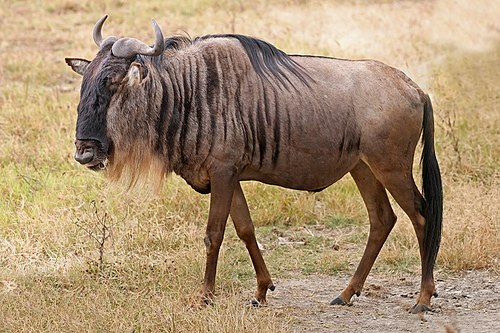
Blue Wildebeest
Connochaetes taurinus
⭐ Iconic Species
📊 Most Spotted
Common Bulbul
Pycnonotus barbatus
Silvery-cheeked Hornbill
Bycanistes brevis
Speckled Mousebird
Colius striatus
Crowned Hornbill
Lophoceros alboterminatus
Emerald-spotted Wood-Dove
Turtur chalcospilos
Fork-tailed Drongo
Dicrurus adsimilis
Northern White-crowned Shrike
Eurocephalus ruppelli
Little Egret
Egretta garzetta

Little Bee-eater
Merops pusillus

African Pied Wagtail
Motacilla aguimp

Hamerkop
Scopus umbretta

Egyptian Goose
Alopochen aegyptiaca
📊 Most Spotted

Nile Monitor
Varanus niloticus

African Striped Skink
Trachylepis striata

Variable Skink
Trachylepis varia

Dodoma Rock Agama
Agama dodomae

Sudan Mabuya
Trachylepis brevicollis

Jackson's Forest Lizard
Adolfus jacksoni

Painted Dwarf Gecko
Lygodactylus picturatus

Southern African Python
Python natalensis

African Rock Python
Python sebae

Wahlberg's Snake-eyed Skink
Panaspis wahlbergii

Kenyan Rock Agama
Agama lionotus

Puff Adder
Bitis arietans


Animal Events
Tree-Climbing Lion Nests
Lions in Lake Manyara are known to climb trees, primarily baobabs and acacias, to escape heat, avoid flies, or survey prey. This behavior is most frequent during dry seasons when shade is scarce.
Flamingo Breeding Spectacle
Greater Flamingos gather in thousands to breed on mudflats, creating a striking pink landscape. Breeding coincides with receding water levels and abundant algae.
Great Migration of Waterbirds
Lake Manyara acts as a critical stopover for migratory waterbirds, including herons, storks, and egrets, during their seasonal movements. Peak numbers align with local breeding cycles.

Sighting Calendar
Chance of spotting each species, month by month
Sighting Zones
Warm areas are where all species together are recorded most, so they track where people go as much as where animals are. For one species, see the map on its own page.
Where Wildlife Score
How good is this park for seeing wildlife?Biodiversity
Very goodHow rich is the wildlife?
Sighting
ExcellentHow likely to see animals?
Quick answers
What animals can you see in Lake Manyara National Park?
The most likely sightings are Olive Baboon (seen by 70–80% of wildlife watchers), Common Bulbul (seen by 60–70% of wildlife watchers), Vervet Monkey (seen by 60–70% of wildlife watchers), Silvery-cheeked Hornbill (seen by 60–70% of wildlife watchers), African Bush Elephant (seen by 60–70% of wildlife watchers) — among 1209 recorded vertebrate species, based on citizen-science data from GBIF.
When is the best time to visit Lake Manyara National Park for wildlife?
May has the highest combined sighting rate for the park's top species in our month-by-month GBIF data. The full sighting calendar on this page shows each species' best months.
Can you see Lion in Lake Manyara National Park?
Yes — about 22% of wildlife watchers report a Lion sighting in Lake Manyara National Park, based on 36 days of visitor records from GBIF citizen-science data.
Can you see Greater Flamingo in Lake Manyara National Park?
It's possible but not guaranteed: about 6% of wildlife watchers report a Greater Flamingo sighting in Lake Manyara National Park, based on 19 days of visitor records from GBIF citizen-science data. Sightings take luck and time in the field.
Can you see African Fish-Eagle in Lake Manyara National Park?
Yes — about 35% of wildlife watchers report a African Fish-Eagle sighting in Lake Manyara National Park, based on 106 days of visitor records from GBIF citizen-science data.
Can you see African Bush Elephant in Lake Manyara National Park?
Yes — about 60% of wildlife watchers report a African Bush Elephant sighting in Lake Manyara National Park, based on 50 days of visitor records from GBIF citizen-science data.


