Ngorongoro Conservation Area
🇹🇿 Tanzania
🦁 Lion's Throne in NgorongoroNgorongoro Conservation Area sits in northern Tanzania, centered on a massive volcanic caldera that cradles a tropical savanna plain. The crater rim drops steeply to grass‑covered floors dotted with acacia woodlands, creating a natural enclosure that separates it from surrounding parks.
-2.975° S 35.448° E
Wildlife
⭐ Iconic Species
 ★
★ Lion
Panthera leo
 ★
★ African Bush Elephant
Loxodonta africana
 ★
★ Black Rhinoceros
Diceros bicornis
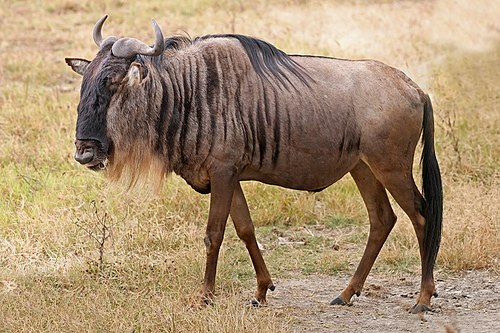 ★
★ Blue Wildebeest
Connochaetes taurinus
📊 Most Spotted

Plains Zebra
Equus quagga

Superb Starling
Lamprotornis superbus
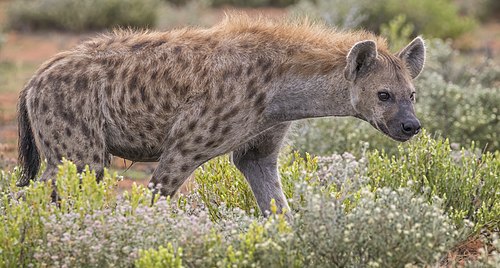
Spotted Hyena
Crocuta crocuta

African Buffalo
Syncerus caffer

Egyptian Goose
Alopochen aegyptiaca

Blacksmith Lapwing
Vanellus armatus

Common Hippopotamus
Hippopotamus amphibius

Thomson's Gazelle
Eudorcas thomsonii

Olive Baboon
Papio anubis

Grant's Gazelle
Nanger granti

Helmeted Guineafowl
Numida meleagris

Speckled Mousebird
Colius striatus
⭐ Iconic Species
★ Lion
Panthera leo
★ African Bush Elephant
Loxodonta africana
★ Black Rhinoceros
Diceros bicornis
★ Blue Wildebeest
Connochaetes taurinus
📊 Most Spotted
Plains Zebra
Equus quagga
Spotted Hyena
Crocuta crocuta
African Buffalo
Syncerus caffer
Common Hippopotamus
Hippopotamus amphibius
Thomson's Gazelle
Eudorcas thomsonii
Olive Baboon
Papio anubis
Grant's Gazelle
Nanger granti

East African Giraffe
Giraffa tippelskirchi

African Golden Wolf
Canis lupaster

Common Warthog
Phacochoerus africanus

Cheetah
Acinonyx jubatus

Common Eland
Taurotragus oryx
📊 Most Spotted
Superb Starling
Lamprotornis superbus
Egyptian Goose
Alopochen aegyptiaca
Blacksmith Lapwing
Vanellus armatus
Helmeted Guineafowl
Numida meleagris
Speckled Mousebird
Colius striatus

Kori Bustard
Ardeotis kori

Augur Buzzard
Buteo augur

Cape Turtle Dove
Streptopelia capicola

Common Ostrich
Struthio camelus

Black-headed Heron
Ardea melanocephala

Common Bulbul
Pycnonotus barbatus

Greater Flamingo
Phoenicopterus roseus
📊 Most Spotted

Mwanza Flat-headed Rock Agama
Agama mwanzae

Nile Monitor
Varanus niloticus

Flap-necked Chameleon
Chamaeleo dilepis

Leopard Tortoise
Stigmochelys pardalis

African Striped Skink
Trachylepis striata

Dodoma Rock Agama
Agama dodomae

Puff Adder
Bitis arietans

Jackson's Forest Lizard
Adolfus jacksoni

Nile Crocodile
Crocodylus niloticus

Common Long-tailed Lizard
Latastia longicaudata
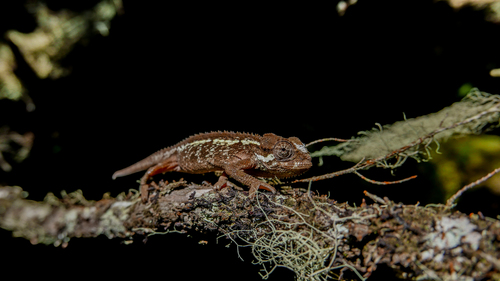
Tanzanian Montane Dwarf Chameleon
Trioceros sternfeldi

Helmeted Turtle
Pelomedusa subrufa
📊 Most Spotted

African Common Toad
Sclerophrys gutturalis

Common Reed Frog
Hyperolius viridiflavus
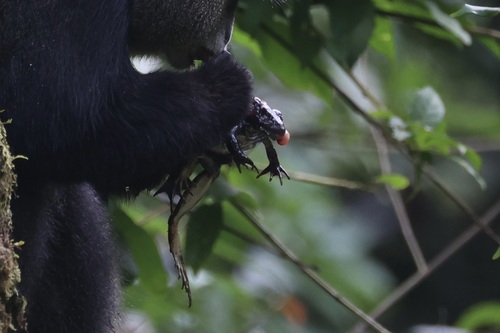
Nutt's River Frog
Amietia nutti

Müller's Platanna
Xenopus muelleri

Garman's Toad
Sclerophrys garmani

Shovel-nosed Frog
Hemisus marmoratus

Senegal Kassina
Kassina senegalensis

Anchieta's Ridged Frog
Ptychadena anchietae

Peters' Foam-nest Tree Frog
Chiromantis petersii
Animal Events
Wildebeest calving season
Calving peaks, with thousands of newborn wildebeest attracting predators and birdlife.
Lion breeding peak
Male lions increase roaring and territorial patrols as females enter estrus.
Hippo breeding gatherings
Hippos congregate in the crater’s waterholes for mating, leading to increased visibility.
Sighting Calendar
Chance of spotting each species, month by month
Sighting Zones
Warm areas are where all species together are recorded most, so they track where people go as much as where animals are. For one species, see the map on its own page.
Where Wildlife Score
How good is this park for seeing wildlife?Biodiversity
Very goodHow rich is the wildlife?
Sighting
ExcellentHow likely to see animals?
Quick answers
What animals can you see in Ngorongoro Conservation Area?
The most likely sightings are Lion (seen by 60–70% of wildlife watchers), Plains Zebra (seen by 60–70% of wildlife watchers), Superb Starling (seen by 50–60% of wildlife watchers), Blue Wildebeest (seen by 50–60% of wildlife watchers), Spotted Hyena (seen by 50–60% of wildlife watchers) — among 1447 recorded vertebrate species, based on citizen-science data from GBIF.
When is the best time to visit Ngorongoro Conservation Area for wildlife?
February has the highest combined sighting rate for the park's top species in our month-by-month GBIF data. The full sighting calendar on this page shows each species' best months.
Can you see Lion in Ngorongoro Conservation Area?
Yes — about 65% of wildlife watchers report a Lion sighting in Ngorongoro Conservation Area, based on 451 days of visitor records from GBIF citizen-science data.
Can you see African Bush Elephant in Ngorongoro Conservation Area?
Yes — about 54% of wildlife watchers report a African Bush Elephant sighting in Ngorongoro Conservation Area, based on 298 days of visitor records from GBIF citizen-science data.
Can you see Black Rhinoceros in Ngorongoro Conservation Area?
Yes — about 42% of wildlife watchers report a Black Rhinoceros sighting in Ngorongoro Conservation Area, based on 177 days of visitor records from GBIF citizen-science data.
Can you see Blue Wildebeest in Ngorongoro Conservation Area?
Yes — about 57% of wildlife watchers report a Blue Wildebeest sighting in Ngorongoro Conservation Area, based on 334 days of visitor records from GBIF citizen-science data.
_(27964916384).jpg?width=1920)


