Triglav National Park
🇸🇮 Slovenia
🦎 Fire Salamanders After Alpine RainTriglav National Park sits in the heart of the Slovenian Alps, a core of the Balkans where temperate forest mingles with alpine meadows and craggy peaks. Its protected valleys host a mosaic of streams, stone walls and old‑growth woods.
46.345° N 13.772° E
Wildlife
⭐ Iconic Species
 ★
★ Alpine Ibex
Capra ibex
Fire Salamander
Salamandra salamandra
 ★
★ Northern Chamois
Rupicapra rupicapra
 ★
★ Common Wall Lizard
Podarcis muralis
📊 Most Spotted

Chaffinch
Fringilla coelebs

Eurasian Blackbird
Turdus merula

Great Tit
Parus major

European Robin
Erithacus rubecula

Common Chiffchaff
Phylloscopus collybita

Eurasian Goldfinch
Carduelis carduelis

White Wagtail
Motacilla alba

Coal Tit
Periparus ater

Blackcap
Sylvia atricapilla

European Common Frog
Rana temporaria

European Toad
Bufo bufo

Slow Worm
Anguis fragilis
⭐ Iconic Species
📊 Most Spotted

Western Roe Deer
Capreolus capreolus
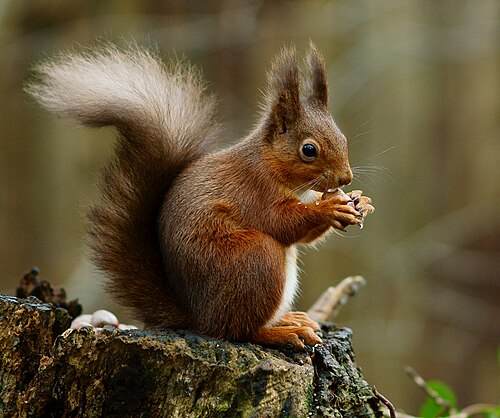
Eurasian Red Squirrel
Sciurus vulgaris

Red Fox
Vulpes vulpes

Alpine Marmot
Marmota marmota

European Badger
Meles meles

Stone Marten
Martes foina

Edible Dormouse
Glis glis
European Mole
Talpa europaea

Gray Wolf
Canis lupus

Elk
Cervus elaphus

Lesser Horseshoe Bat
Rhinolophus hipposideros

Bank Vole
Myodes glareolus
📊 Most Spotted
Chaffinch
Fringilla coelebs
Eurasian Blackbird
Turdus merula
Great Tit
Parus major
European Robin
Erithacus rubecula
Common Chiffchaff
Phylloscopus collybita
Eurasian Goldfinch
Carduelis carduelis
White Wagtail
Motacilla alba
Coal Tit
Periparus ater
Blackcap
Sylvia atricapilla

Mallard
Anas platyrhynchos

Black Redstart
Phoenicurus ochruros

Eurasian Nuthatch
Sitta europaea
⭐ Iconic Species
📊 Most Spotted
Slow Worm
Anguis fragilis

grass snake
Natrix natrix

Tessellated Water Snake
Natrix tessellata

Adder
Vipera berus

Smooth Snake
Coronella austriaca

Green Lizard
Lacerta viridis

Aesculapian Snake
Zamenis longissimus

Nose-horned Viper
Vipera ammodytes

Horvath's Rock Lizard
Iberolacerta horvathi

Green Whip Snake
Hierophis viridiflavus

Italian Slow Worm
Anguis veronensis

Western Green Lizard
Lacerta bilineata
⭐ Iconic Species
📊 Most Spotted
European Common Frog
Rana temporaria
European Toad
Bufo bufo

Yellow-bellied Toad
Bombina variegata

Alpine Salamander
Salamandra atra

Alpine Newt
Ichthyosaura alpestris

Agile Frog
Rana dalmatina

Smooth Newt
Lissotriton vulgaris

Italian Crested Newt
Triturus carnifex
Animal Events
Alpine Ibex Rutting Season
Male Alpine Ibex engage in dramatic head-butting contests to establish dominance and secure mating rights, often visible on rocky slopes and cliffs
Fire Salamander Spring Emergence
After winter hibernation, Fire Salamanders emerge in large numbers to breed in mountain streams and damp forests, often spotted during rainy evenings
Chamois Alpine Migration
Northern Chamois migrate to higher elevations in summer, following melting snowlines to access fresh vegetation, often seen in alpine meadows and rocky terrain
Sighting Calendar
Chance of spotting each species, month by month
Sighting Zones
Warm areas are where all species together are recorded most, so they track where people go as much as where animals are. For one species, see the map on its own page.
Where Wildlife Score
How good is this park for seeing wildlife?Biodiversity
GoodHow rich is the wildlife?
Sighting
GoodHow likely to see animals?
Quick answers
What animals can you see in Triglav National Park?
The most likely sightings are Chaffinch (seen by 80–90% of wildlife watchers), Eurasian Blackbird (seen by 70–80% of wildlife watchers), Common Wall Lizard (seen by 70–80% of wildlife watchers), Great Tit (seen by 60–70% of wildlife watchers), European Robin (seen by 60–70% of wildlife watchers) — among 435 recorded vertebrate species, based on citizen-science data from GBIF.
When is the best time to visit Triglav National Park for wildlife?
April has the highest combined sighting rate for the park's top species in our month-by-month GBIF data. The full sighting calendar on this page shows each species' best months.
Can you see Alpine Ibex in Triglav National Park?
Yes — about 48% of wildlife watchers report a Alpine Ibex sighting in Triglav National Park, based on 65 days of visitor records from GBIF citizen-science data.
Can you see Fire Salamander in Triglav National Park?
Yes — about 62% of wildlife watchers report a Fire Salamander sighting in Triglav National Park, based on 116 days of visitor records from GBIF citizen-science data.
Can you see Northern Chamois in Triglav National Park?
Yes — about 49% of wildlife watchers report a Northern Chamois sighting in Triglav National Park, based on 68 days of visitor records from GBIF citizen-science data.
Can you see Common Wall Lizard in Triglav National Park?
Yes — about 73% of wildlife watchers report a Common Wall Lizard sighting in Triglav National Park, based on 179 days of visitor records from GBIF citizen-science data.
_in_Breeding_Plumage%2C_Cape_May_County%2C_New_Jersey%2C_USA_(cropped).png?width=1920)


