Kiskunság National Park
🇭🇺 Hungary
🦅 Saker Falcon Circles Kiskunság WetlandsKiskunság National Park is a protected temperate forest sanctuary in Hungary, defined by dense woodland patches, sandy clearings, and open grassy meadows. Visitors walk along flat dirt trails winding through oak groves and pine stands.
46.879° N 19.415° E
Wildlife
⭐ Iconic Species
 ★
★ European Ground Squirrel
Spermophilus citellus
 ★
★ Saker Falcon
Falco cherrug
 ★
★ European Tree Frog
Hyla arborea
📊 Most Spotted

Hooded Crow
Corvus cornix

Common Kestrel
Falco tinnunculus

Green Lizard
Lacerta viridis

European Starling
Sturnus vulgaris

Common Buzzard
Buteo buteo

Mallard
Anas platyrhynchos

Western Marsh-Harrier
Circus aeruginosus

Rook
Corvus frugilegus

Wood Pigeon
Columba palumbus

Great Tit
Parus major

Eurasian Tree Sparrow
Passer montanus

Greylag Goose
Anser anser
⭐ Iconic Species
📊 Most Spotted

Western Roe Deer
Capreolus capreolus

Brown Hare
Lepus europaeus

Northern White-breasted Hedgehog
Erinaceus roumanicus
European Mole
Talpa europaea

Eurasian Beaver
Castor fiber
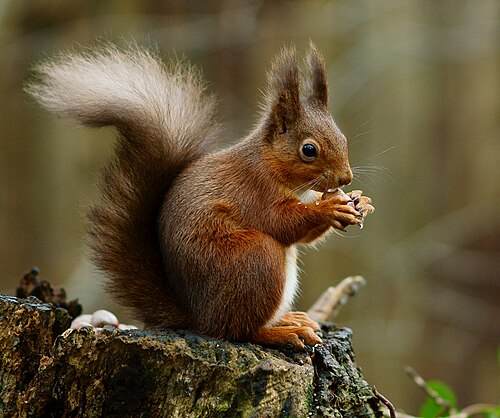
Eurasian Red Squirrel
Sciurus vulgaris

Fallow Deer
Dama dama

European Badger
Meles meles

Pine Marten
Martes martes

Striped Field Mouse
Apodemus agrarius

Noctule
Nyctalus noctula

Stone Marten
Martes foina
⭐ Iconic Species
📊 Most Spotted
Hooded Crow
Corvus cornix
Common Kestrel
Falco tinnunculus
European Starling
Sturnus vulgaris
Common Buzzard
Buteo buteo
Mallard
Anas platyrhynchos
Western Marsh-Harrier
Circus aeruginosus
Rook
Corvus frugilegus
Wood Pigeon
Columba palumbus
Great Tit
Parus major
Eurasian Tree Sparrow
Passer montanus
Greylag Goose
Anser anser

Eurasian Goldfinch
Carduelis carduelis
📊 Most Spotted
Green Lizard
Lacerta viridis

European Pond Turtle
Emys orbicularis

Balkan Wall Lizard
Podarcis tauricus

grass snake
Natrix natrix

Sand Lizard
Lacerta agilis

Smooth Snake
Coronella austriaca

Common Wall Lizard
Podarcis muralis

Meadow Viper
Vipera ursinii

Viviparous Lizard
Zootoca vivipara
⭐ Iconic Species
📊 Most Spotted

Agile Frog
Rana dalmatina

Green Toad
Bufotes viridis

Common Spadefoot
Pelobates fuscus

Smooth Newt
Lissotriton vulgaris

Marsh Frog
Pelophylax ridibundus

European Fire-Bellied Toad
Bombina bombina

European Toad
Bufo bufo

Pool Frog
Pelophylax lessonae
Animal Events
Puszta Spring Awakening
European Ground Squirrels emerge from hibernation, creating bustling colonies as they forage and socialize. Male Saker Falcons perform aerial courtship displays over the steppe.
Steppe Predator Activity
Smooth Snakes hunt in the warm grasslands, while Saker Falcons actively hunt ground squirrels and small birds. The steppe buzzes with the calls of reptiles and birds during the hottest months.
Autumn Wetland Resurgence
European Tree Frogs gather in large choruses to breed in temporary ponds, while Western Roe Deer migrate through the park’s wetlands, creating a dynamic transition from summer to winter.
Sighting Calendar
Chance of spotting each species, month by month
Sighting Zones
Warm areas are where all species together are recorded most, so they track where people go as much as where animals are. For one species, see the map on its own page.
Where Wildlife Score
How good is this park for seeing wildlife?Biodiversity
GoodHow rich is the wildlife?
Sighting
Very goodHow likely to see animals?
Quick answers
What animals can you see in Kiskunság National Park?
The most likely sightings are Hooded Crow (seen by 70–80% of wildlife watchers), Common Kestrel (seen by 70–80% of wildlife watchers), Green Lizard (seen by 60–70% of wildlife watchers), European Starling (seen by 60–70% of wildlife watchers), Common Buzzard (seen by 60–70% of wildlife watchers) — among 484 recorded vertebrate species, based on citizen-science data from GBIF.
When is the best time to visit Kiskunság National Park for wildlife?
October has the highest combined sighting rate for the park's top species in our month-by-month GBIF data. The full sighting calendar on this page shows each species' best months.
Can you see European Ground Squirrel in Kiskunság National Park?
Yes — about 22% of wildlife watchers report a European Ground Squirrel sighting in Kiskunság National Park, based on 23 days of visitor records from GBIF citizen-science data.
Can you see Saker Falcon in Kiskunság National Park?
Yes — about 16% of wildlife watchers report a Saker Falcon sighting in Kiskunság National Park, based on 11 days of visitor records from GBIF citizen-science data.
Can you see European Tree Frog in Kiskunság National Park?
Yes — about 40% of wildlife watchers report a European Tree Frog sighting in Kiskunság National Park, based on 34 days of visitor records from GBIF citizen-science data.
_on_hemp-agrimony_(Eupatorium_cannabinum).jpg?width=1920)
_in_Breeding_Plumage%2C_Cape_May_County%2C_New_Jersey%2C_USA_(cropped).png?width=1920)

