Hortobágy National Park
🇭🇺 Hungary
🐦 Great Egrets Over the Puszta MarshesHortobágy National Park is a protected grassland and wetland region situated on the Great Hungarian Plain in Eastern Europe. Unlike densely forested reserves, this open temperate habitat features vast alkaline plains, shallow marshes, and slow-moving rivers that stretch across the horizon.
47.663° N 21.154° E
Wildlife
⭐ Iconic Species
 ★
★ Great Bustard
Otis tarda
 ★
★ Common Crane
Grus grus
 ★
★ Eurasian Spoonbill
Platalea leucorodia
 ★
★ White-tailed Eagle
Haliaeetus albicilla
📊 Most Spotted

Greylag Goose
Anser anser

Great Egret
Ardea alba

Western Marsh-Harrier
Circus aeruginosus

European Starling
Sturnus vulgaris

Grey Heron
Ardea cinerea

Northern Lapwing
Vanellus vanellus

Rook
Corvus frugilegus

Mallard
Anas platyrhynchos

Common Kestrel
Falco tinnunculus
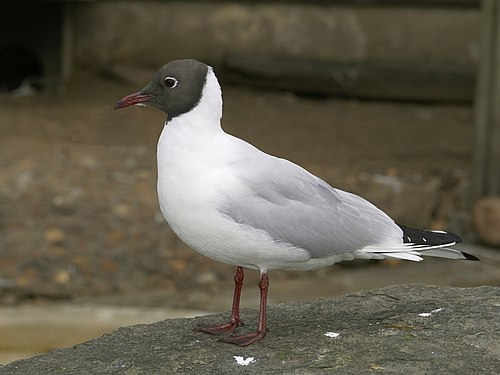
Black-headed Gull
Chroicocephalus ridibundus

Eurasian Tree Sparrow
Passer montanus

Eurasian Goldfinch
Carduelis carduelis
📊 Most Spotted

Brown Hare
Lepus europaeus

Western Roe Deer
Capreolus capreolus

Muskrat
Ondatra zibethicus
European Mole
Talpa europaea

Northern White-breasted Hedgehog
Erinaceus roumanicus

Red Fox
Vulpes vulpes

Mound-building Mouse
Mus spicilegus

Takhi
Equus przewalskii

Eurasian Beaver
Castor fiber

Stoat
Mustela erminea

European Badger
Meles meles

Black-bellied Hamster
Cricetus cricetus
⭐ Iconic Species
★ Great Bustard
Otis tarda
★ Common Crane
Grus grus
★ Eurasian Spoonbill
Platalea leucorodia
★ White-tailed Eagle
Haliaeetus albicilla
📊 Most Spotted
Greylag Goose
Anser anser
Great Egret
Ardea alba
Western Marsh-Harrier
Circus aeruginosus
European Starling
Sturnus vulgaris
Grey Heron
Ardea cinerea
Northern Lapwing
Vanellus vanellus
Rook
Corvus frugilegus
Mallard
Anas platyrhynchos
Common Kestrel
Falco tinnunculus
Black-headed Gull
Chroicocephalus ridibundus
Eurasian Tree Sparrow
Passer montanus
Eurasian Goldfinch
Carduelis carduelis
📊 Most Spotted

grass snake
Natrix natrix

Sand Lizard
Lacerta agilis

European Pond Turtle
Emys orbicularis
📊 Most Spotted

European Tree Frog
Hyla arborea

Green Toad
Bufotes viridis

European Fire-Bellied Toad
Bombina bombina

Danube Crested Newt
Triturus dobrogicus

Marsh Frog
Pelophylax ridibundus

Smooth Newt
Lissotriton vulgaris

Common Spadefoot
Pelobates fuscus

Agile Frog
Rana dalmatina
Animal Events
Great Bustard Display
During spring, male Great Bustards perform elaborate courtship displays with puffed-up necks and tail feathers, offering a unique wildlife spectacle.
Autumn Crane Migration
Thousands of Common Cranes gather at Hortobágy’s wetlands and surrounding agricultural fields, creating one of Europe’s most spectacular bird migrations.
Winter Waterfowl Concentration
Hortobágy’s frozen and open waters attract dense congregations of waterfowl, including swans, geese, and diving ducks, providing exceptional birdwatching opportunities.

Sighting Calendar
Chance of spotting each species, month by month
Sighting Zones
Warm areas are where all species together are recorded most, so they track where people go as much as where animals are. For one species, see the map on its own page.
Where Wildlife Score
How good is this park for seeing wildlife?Biodiversity
GoodHow rich is the wildlife?
Sighting
Very goodHow likely to see animals?
Quick answers
What animals can you see in Hortobágy National Park?
The most likely sightings are Greylag Goose (seen by 80–90% of wildlife watchers), Great Egret (seen by 80–90% of wildlife watchers), Western Marsh-Harrier (seen by 70–80% of wildlife watchers), European Starling (seen by 70–80% of wildlife watchers), Grey Heron (seen by 70–80% of wildlife watchers) — among 470 recorded vertebrate species, based on citizen-science data from GBIF.
When is the best time to visit Hortobágy National Park for wildlife?
August has the highest combined sighting rate for the park's top species in our month-by-month GBIF data. The full sighting calendar on this page shows each species' best months.
Can you see Great Bustard in Hortobágy National Park?
It's possible but not guaranteed: about 5% of wildlife watchers report a Great Bustard sighting in Hortobágy National Park, based on 26 days of visitor records from GBIF citizen-science data. Sightings take luck and time in the field.
Can you see Common Crane in Hortobágy National Park?
Yes — about 46% of wildlife watchers report a Common Crane sighting in Hortobágy National Park, based on 232 days of visitor records from GBIF citizen-science data.
Can you see Eurasian Spoonbill in Hortobágy National Park?
Yes — about 51% of wildlife watchers report a Eurasian Spoonbill sighting in Hortobágy National Park, based on 257 days of visitor records from GBIF citizen-science data.
Can you see White-tailed Eagle in Hortobágy National Park?
Yes — about 55% of wildlife watchers report a White-tailed Eagle sighting in Hortobágy National Park, based on 276 days of visitor records from GBIF citizen-science data.


_in_Breeding_Plumage%2C_Cape_May_County%2C_New_Jersey%2C_USA_(cropped).png?width=1920)
