Mana Pools National Park
🇿🇼 Zimbabwe
🐘 Elephants Stand Tall for Acacia PodsMana Pools National Park lies in northern Zimbabwe, on the flood‑plain of the Zambezi River. The park is a tropical savanna where river islands, grassy banks and scattered mopane woodlands create a mosaic of dry and wet habitats.
-15.902° S 29.526° E
Wildlife
⭐ Iconic Species
 ★
★ African Bush Elephant
Loxodonta africana
 ★
★ Painted Hunting Dog
Lycaon pictus
 ★
★ Common Hippopotamus
Hippopotamus amphibius
 ★
★ Lion
Panthera leo
📊 Most Spotted

Emerald-spotted Wood-Dove
Turtur chalcospilos

Meves's Glossy-starling
Lamprotornis mevesii

Cape Turtle Dove
Streptopelia capicola

White-fronted Bee-eater
Merops bullockoides

Southern Red-billed Hornbill
Tockus rufirostris

Helmeted Guineafowl
Numida meleagris

Egyptian Goose
Alopochen aegyptiaca

Fork-tailed Drongo
Dicrurus adsimilis

Waterbuck
Kobus ellipsiprymnus

Impala
Aepyceros melampus

Common Warthog
Phacochoerus africanus

Nile Crocodile
Crocodylus niloticus
⭐ Iconic Species
★ African Bush Elephant
Loxodonta africana
★ Painted Hunting Dog
Lycaon pictus
★ Common Hippopotamus
Hippopotamus amphibius
★ Lion
Panthera leo
📊 Most Spotted
Waterbuck
Kobus ellipsiprymnus
Impala
Aepyceros melampus
Common Warthog
Phacochoerus africanus

African Buffalo
Syncerus caffer

Greater Kudu
Tragelaphus strepsiceros

Chacma Baboon
Papio ursinus

Vervet Monkey
Chlorocebus pygerythrus

Smith's Bush Squirrel
Paraxerus cepapi

Leopard
Panthera pardus

Plains Zebra
Equus quagga

Northern Bushbuck
Tragelaphus scriptus

Common Eland
Taurotragus oryx
📊 Most Spotted
Emerald-spotted Wood-Dove
Turtur chalcospilos
Meves's Glossy-starling
Lamprotornis mevesii
Cape Turtle Dove
Streptopelia capicola
White-fronted Bee-eater
Merops bullockoides
Southern Red-billed Hornbill
Tockus rufirostris
Helmeted Guineafowl
Numida meleagris
Egyptian Goose
Alopochen aegyptiaca
Fork-tailed Drongo
Dicrurus adsimilis

Common Bulbul
Pycnonotus barbatus

Lilac-breasted Roller
Coracias caudatus

Tropical Boubou
Laniarius major

Blue-breasted Cordonbleu
Uraeginthus angolensis
📊 Most Spotted
Nile Crocodile
Crocodylus niloticus

Nile Monitor
Varanus niloticus

Wahlberg’s Striped Skink
Trachylepis wahlbergii

Leopard Tortoise
Stigmochelys pardalis

Fischer's Thick-toed Gecko
Chondrodactylus laevigatus

Chobe Dwarf Gecko
Lygodactylus chobiensis

Spotted Bush Snake
Philothamnus semivariegatus

Pointed Thick-toed Gecko
Pachydactylus punctatus

Cape Dwarf Gecko
Lygodactylus capensis
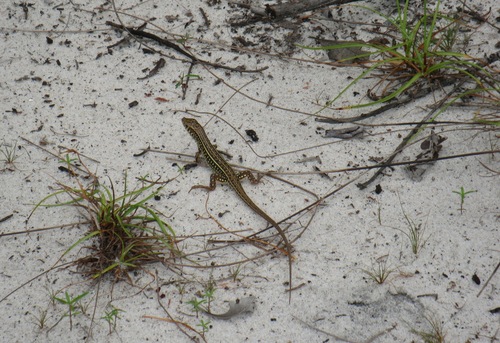
Eastern Black-lined Plated Lizard
Gerrhosaurus intermedius

Snouted Cobra
Naja annulifera

Serrated Hinged Terrapin
Pelusios sinuatus
📊 Most Spotted

Grey Foam-nest Treefrog
Chiromantis xerampelina

Anchieta's Ridged Frog
Ptychadena anchietae

Giant bullfrog
Pyxicephalus adspersus

Edible bullfrog
Pyxicephalus edulis

African Split-skin Toad
Schismaderma carens

Power's Rain Frog
Breviceps poweri

Shovel-nosed Frog
Hemisus marmoratus

Red-Banded Rubber Frog
Phrynomantis bifasciatus

Sharp-nosed ridged frog
Ptychadena oxyrhynchus

Marbled sand frog
Tomopterna marmorata
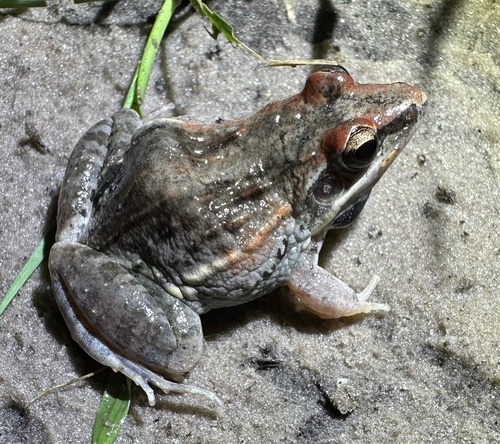
Mozambique ridged frog
Ptychadena mossambica

Guinea Snout-burrower
Hemisus guineensis
Animal Events
Elephant Pod Foraging
During the dry winter months, elephants gather in the Faidherbia albida forests to feed on protein-rich fallen pods, often standing on their hind legs to reach branches.
Wild Dog Denning Season
The dry season aligns with the wild dog denning period, offering exceptional opportunities to observe packs caring for their pups in the open riverine terrain.
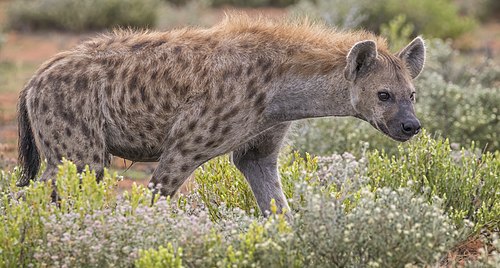
Spotted Hyena and Predator Activity
As water sources recede, predator interactions peak around shrinking pools, bringing hyenas and big cats into high-frequency contact along the floodplain.
Sighting Calendar
Chance of spotting each species, month by month
Sighting Zones
Warm areas are where all species together are recorded most, so they track where people go as much as where animals are. For one species, see the map on its own page.
Where Wildlife Score
How good is this park for seeing wildlife?Biodiversity
Very goodHow rich is the wildlife?
Sighting
ExcellentHow likely to see animals?
Quick answers
What animals can you see in Mana Pools National Park?
The most likely sightings are African Bush Elephant (seen by 70–80% of wildlife watchers), Emerald-spotted Wood-Dove (seen by 70–80% of wildlife watchers), Meves's Glossy-starling (seen by 70–80% of wildlife watchers), Cape Turtle Dove (seen by 70–80% of wildlife watchers), White-fronted Bee-eater (seen by 60–70% of wildlife watchers) — among 1189 recorded vertebrate species, based on citizen-science data from GBIF.
When is the best time to visit Mana Pools National Park for wildlife?
July has the highest combined sighting rate for the park's top species in our month-by-month GBIF data. The full sighting calendar on this page shows each species' best months.
Can you see African Bush Elephant in Mana Pools National Park?
Yes — about 77% of wildlife watchers report a African Bush Elephant sighting in Mana Pools National Park, based on 51 days of visitor records from GBIF citizen-science data.
Can you see Painted Hunting Dog in Mana Pools National Park?
Yes — about 53% of wildlife watchers report a Painted Hunting Dog sighting in Mana Pools National Park, based on 20 days of visitor records from GBIF citizen-science data.
Can you see Common Hippopotamus in Mana Pools National Park?
Yes — about 64% of wildlife watchers report a Common Hippopotamus sighting in Mana Pools National Park, based on 31 days of visitor records from GBIF citizen-science data.
Can you see Lion in Mana Pools National Park?
Yes — about 58% of wildlife watchers report a Lion sighting in Mana Pools National Park, based on 24 days of visitor records from GBIF citizen-science data.


