Meru National Park
🇰🇪 Kenya
🦒 Somali Giraffe Thrives at MeruMeru National Park is a protected tropical savanna located in the lowlands east of Mount Kenya. Its terrain features open grassland, tall riverine woodland, and dense acacia scrub cut by permanent streams. Unlike heavily visited southern reserves, this remote northern sanctuary remains quiet and wild, famous for its populations of stately Somali Giraffe, heavy African Bush Elephant, and sturdy Waterbuck.
0.143° N 38.149° E
Wildlife
⭐ Iconic Species
 ★
★ Reticulated Giraffe
Giraffa reticulata
 ★
★ Lion
Panthera leo
 ★
★ White Rhinoceros
Ceratotherium simum
 ★
★ African Bush Elephant
Loxodonta africana
📊 Most Spotted

Superb Starling
Lamprotornis superbus

Yellow-necked Francolin
Pternistis leucoscepus

White-headed Buffalo-Weaver
Dinemellia dinemelli

White-browed Sparrow-Weaver
Plocepasser mahali

Helmeted Guineafowl
Numida meleagris

Fork-tailed Drongo
Dicrurus adsimilis

Gray-headed Kingfisher
Halcyon leucocephala

Red-billed Buffalo-Weaver
Bubalornis niger

White-browed Coucal
Centropus superciliosus

White-Bellied Go-Away-Bird
Corythaixoides leucogaster

Lilac-breasted Roller
Coracias caudatus

Olive Baboon
Papio anubis
⭐ Iconic Species
★ Reticulated Giraffe
Giraffa reticulata
★ Lion
Panthera leo
★ White Rhinoceros
Ceratotherium simum
★ African Bush Elephant
Loxodonta africana
📊 Most Spotted
Olive Baboon
Papio anubis

Kirk's Dik-dik
Madoqua kirkii

Plains Zebra
Equus quagga

Waterbuck
Kobus ellipsiprymnus

Lesser Kudu
Tragelaphus imberbis

Yellow-spotted Rock Hyrax
Heterohyrax brucei

African Buffalo
Syncerus caffer

Grant's Gazelle
Nanger granti

Impala
Aepyceros melampus

Common Hippopotamus
Hippopotamus amphibius

Unstriped Ground Squirrel
Xerus rutilus

Naked Mole Rat
Heterocephalus glaber
📊 Most Spotted
Superb Starling
Lamprotornis superbus
Yellow-necked Francolin
Pternistis leucoscepus
White-headed Buffalo-Weaver
Dinemellia dinemelli
White-browed Sparrow-Weaver
Plocepasser mahali
Helmeted Guineafowl
Numida meleagris
Fork-tailed Drongo
Dicrurus adsimilis
Gray-headed Kingfisher
Halcyon leucocephala
Red-billed Buffalo-Weaver
Bubalornis niger
White-browed Coucal
Centropus superciliosus
White-Bellied Go-Away-Bird
Corythaixoides leucogaster
Lilac-breasted Roller
Coracias caudatus

Northern Red-billed Hornbill
Tockus erythrorhynchus
📊 Most Spotted

Kenyan Rock Agama
Agama lionotus

Nile Crocodile
Crocodylus niloticus

Serrated Hinged Terrapin
Pelusios sinuatus

Ashe's Spitting Cobra
Naja ashei

Rock Monitor
Varanus albigularis

Leopard Tortoise
Stigmochelys pardalis

Nile Monitor
Varanus niloticus
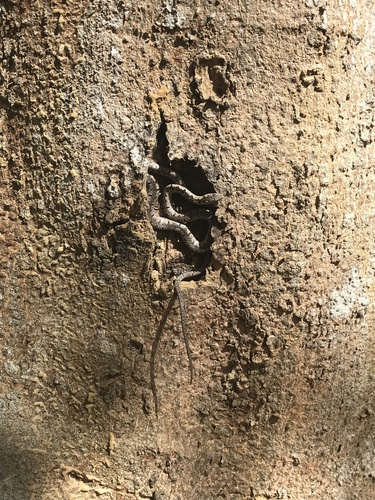
Eastern Bark Snake
Hemirhagerrhis hildebrandtii

Black-headed Micrelaps
Micrelaps vaillanti

African Five-lined Skink
Trachylepis quinquetaeniata

Reticulated Centipede-Eater
Aparallactus lunulatus

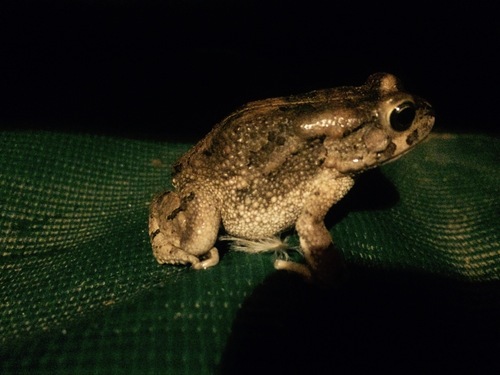
Antillean House Gecko
Hemidactylus angulatus


Animal Events
Dry Season Waterhole Concentration
As dry conditions peak in August, African Bush Elephants and Waterbuck congregate tightly around dwindling permanent rivers and waterholes for reliable hydration.
Wet Season Calving and New Growth
In February, African Buffalo and Lions experience increased behavioral activity as newborn calves draw opportunistic predators onto the flush green plains.
Post-Rain Reptile and Gazelle Activity
Following early seasonal rains in March, Kenyan Rock Agamas bask prominently on warmed boulders while Grant's Gazelles forage across rejuvenating grasslands.
Sighting Calendar
Chance of spotting each species, month by month
Sighting Zones
Warm areas are where all species together are recorded most, so they track where people go as much as where animals are. For one species, see the map on its own page.
Where Wildlife Score
How good is this park for seeing wildlife?Biodiversity
Very goodHow rich is the wildlife?
Sighting
ExcellentHow likely to see animals?
Quick answers
What animals can you see in Meru National Park?
The most likely sightings are Superb Starling (seen by 80–90% of wildlife watchers), Yellow-necked Francolin (seen by 80–90% of wildlife watchers), Reticulated Giraffe (seen by 80–90% of wildlife watchers), White-headed Buffalo-Weaver (seen by 80–90% of wildlife watchers), White-browed Sparrow-Weaver (seen by 80–90% of wildlife watchers) — among 1176 recorded vertebrate species, based on citizen-science data from GBIF.
When is the best time to visit Meru National Park for wildlife?
October has the highest combined sighting rate for the park's top species in our month-by-month GBIF data. The full sighting calendar on this page shows each species' best months.
Can you see Reticulated Giraffe in Meru National Park?
Yes — about 84% of wildlife watchers report a Reticulated Giraffe sighting in Meru National Park, based on 33 days of visitor records from GBIF citizen-science data.
Can you see Lion in Meru National Park?
Yes — about 59% of wildlife watchers report a Lion sighting in Meru National Park, based on 24 days of visitor records from GBIF citizen-science data.
Can you see White Rhinoceros in Meru National Park?
Yes — about 54% of wildlife watchers report a White Rhinoceros sighting in Meru National Park, based on 20 days of visitor records from GBIF citizen-science data.
Can you see African Bush Elephant in Meru National Park?
Yes — about 66% of wildlife watchers report a African Bush Elephant sighting in Meru National Park, based on 32 days of visitor records from GBIF citizen-science data.
Explore Other Parks
 📍 85 km 🦒 Somali Giraffe Roaming Samburu Savannah
 Samburu National Reserve
 📍 178 km 🦌 Northern Bushbuck Thrives in Aberdare
 Aberdare National Park
 📍 221 km 🦁 Spot Wild Lions Overlooking Skyscrapers
 Nairobi National Park
 📍 236 km 🦩 Kenya's Premier Rhinoceros and Flamingo Sanctuary