Aberdare National Park
🇰🇪 Kenya
🦌 Northern Bushbuck Thrives in AberdareAberdare National Park is a high-altitude tropical rainforest reserve situated in the central highlands of Kenya. Its dense canopy, deep ravines, and moss-draped trees create a dramatic mountain habitat distinct from the open savannahs found elsewhere in the region. Visitors traverse winding forest tracks enveloped in cool mist and towering timber.
-0.221° S 36.588° E
Wildlife
⭐ Iconic Species
 ★
★ Northern Bushbuck
Tragelaphus scriptus
 ★
★ Giant Forest Hog
Hylochoerus meinertzhageni
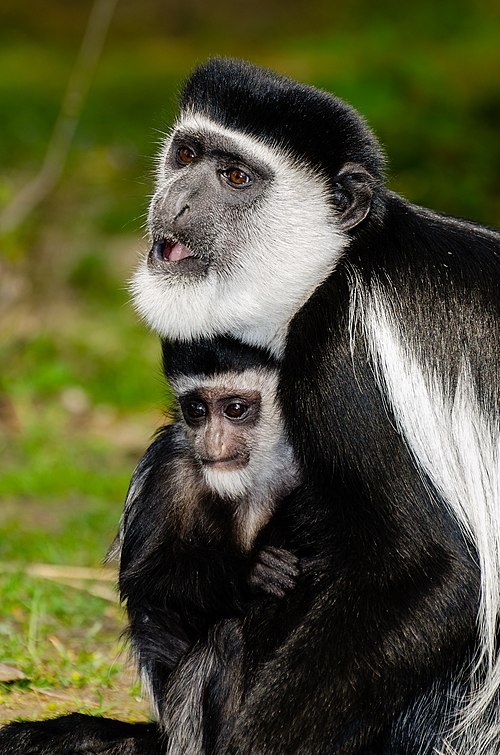 ★
★ Mantled Guereza
Colobus guereza
 ★
★ African Bush Elephant
Loxodonta africana
📊 Most Spotted

Common Bulbul
Pycnonotus barbatus

Streaky Seedeater
Crithagra striolata

African Buffalo
Syncerus caffer

Hunter's Cisticola
Cisticola hunteri

Waterbuck
Kobus ellipsiprymnus

Baglafecht Weaver
Ploceus baglafecht

Abyssinian Thrush
Turdus abyssinicus
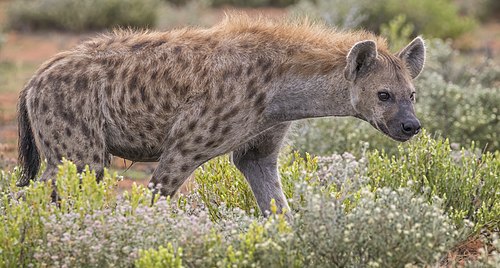
Spotted Hyena
Crocuta crocuta

Speckled Mousebird
Colius striatus

Tropical Boubou
Laniarius major

White-eyed Slaty Flycatcher
Dioptrornis fischeri

Blue Monkey
Cercopithecus mitis
⭐ Iconic Species
★ Northern Bushbuck
Tragelaphus scriptus
★ Giant Forest Hog
Hylochoerus meinertzhageni
★ Mantled Guereza
Colobus guereza
★ African Bush Elephant
Loxodonta africana
📊 Most Spotted
African Buffalo
Syncerus caffer
Waterbuck
Kobus ellipsiprymnus
Spotted Hyena
Crocuta crocuta
Blue Monkey
Cercopithecus mitis

Bush Duiker
Sylvicapra grimmia

Common Warthog
Phacochoerus africanus

Plains Zebra
Equus quagga

Common Hippopotamus
Hippopotamus amphibius

Olive Baboon
Papio anubis

Suni
Neotragus moschatus

East African Giraffe
Giraffa tippelskirchi

Slender Mongoose
Galerella sanguinea
📊 Most Spotted
Common Bulbul
Pycnonotus barbatus
Streaky Seedeater
Crithagra striolata
Hunter's Cisticola
Cisticola hunteri
Baglafecht Weaver
Ploceus baglafecht
Abyssinian Thrush
Turdus abyssinicus
Speckled Mousebird
Colius striatus
Tropical Boubou
Laniarius major
White-eyed Slaty Flycatcher
Dioptrornis fischeri

Black Sawwing
Psalidoprocne pristoptera

Augur Buzzard
Buteo augur

Eastern Double-collared Sunbird
Cinnyris mediocris

Egyptian Goose
Alopochen aegyptiaca
📊 Most Spotted

Helmeted Chameleon
Trioceros hoehnelii

Aberdare Mountains Dwarf Chameleon
Trioceros kinangopensis

Kenya Montane Viper
Montatheris hindii
Western Alpine Meadow Lizard
Adolfus masavaensis

African Spurred Tortoise
Centrochelys sulcata

Red-lipped Snake
Crotaphopeltis hotamboeia

African Striped Skink
Trachylepis striata


Animal Events
Hartlaub's Turaco Breeding Season
Hartlaub's Turacos become highly vocal and active during breeding, creating a symphony of calls in the forest canopy.

African Buffalo Rut and Calving
Buffalo herds engage in dramatic rutting behaviors, while calving peaks, attracting predators like lions and hyenas.
Aberdare Cisticola Breeding Surge
The park’s namesake bird, the Aberdare Cisticola, becomes hyperactive, with males performing aerial displays to attract mates.

Sighting Calendar
Chance of spotting each species, month by month
Sighting Zones
Warm areas are where all species together are recorded most, so they track where people go as much as where animals are. For one species, see the map on its own page.
Where Wildlife Score
How good is this park for seeing wildlife?Biodiversity
ExcellentHow rich is the wildlife?
Sighting
ExcellentHow likely to see animals?
Quick answers
What animals can you see in Aberdare National Park?
The most likely sightings are Northern Bushbuck (seen by 70–80% of wildlife watchers), Common Bulbul (seen by 70–80% of wildlife watchers), Giant Forest Hog (seen by 70–80% of wildlife watchers), Streaky Seedeater (seen by 70–80% of wildlife watchers), African Buffalo (seen by 60–70% of wildlife watchers) — among 1302 recorded vertebrate species, based on citizen-science data from GBIF.
When is the best time to visit Aberdare National Park for wildlife?
July has the highest combined sighting rate for the park's top species in our month-by-month GBIF data. The full sighting calendar on this page shows each species' best months.
Can you see Northern Bushbuck in Aberdare National Park?
Yes — about 72% of wildlife watchers report a Northern Bushbuck sighting in Aberdare National Park, based on 51 days of visitor records from GBIF citizen-science data.
Can you see Giant Forest Hog in Aberdare National Park?
Yes — about 70% of wildlife watchers report a Giant Forest Hog sighting in Aberdare National Park, based on 46 days of visitor records from GBIF citizen-science data.
Can you see Mantled Guereza in Aberdare National Park?
Yes — about 59% of wildlife watchers report a Mantled Guereza sighting in Aberdare National Park, based on 30 days of visitor records from GBIF citizen-science data.
Can you see African Bush Elephant in Aberdare National Park?
Yes — about 54% of wildlife watchers report a African Bush Elephant sighting in Aberdare National Park, based on 25 days of visitor records from GBIF citizen-science data.


