Awash National Park
🇪🇹 Ethiopia
🐒 Hamadryas Baboons Swarm Awash GorgesAwash National Park is a protected savanna and arid acacia scrubland situated in the lowlands of Ethiopia, marked by open dry plains and volcanic rocky ground. This terrain sets it apart from dense tropical reserves, offering wide vistas across sparse grasslands and dry river gorges where the heat defines the day.
8.951° N 39.989° E
Wildlife
⭐ Iconic Species
 ★
★ East African Oryx
Oryx beisa
 ★
★ Hamadryas Baboon
Papio hamadryas
 ★
★ Sömmerring's Gazelle
Nanger soemmerringii
 ★
★ Leopard Tortoise
Stigmochelys pardalis
📊 Most Spotted

Salt's Dik-dik
Madoqua saltiana
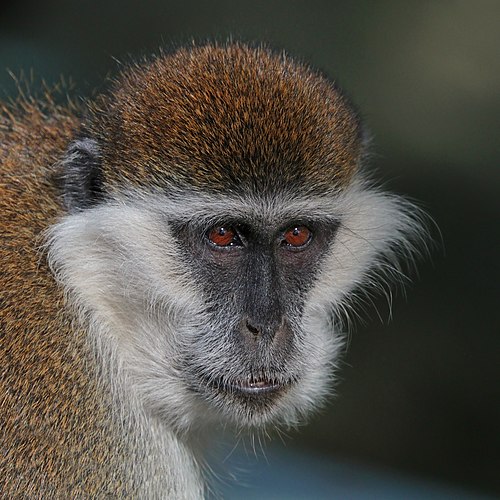
Grivet
Chlorocebus aethiops

Abyssinian Roller
Coracias abyssinicus

White-headed Buffalo-Weaver
Dinemellia dinemelli

Dark Chanting-Goshawk
Melierax metabates

Northern Carmine Bee-eater
Merops nubicus

Isabelline Wheatear
Oenanthe isabellina

West African Crocodile
Crocodylus suchus

African Grey Hornbill
Lophoceros nasutus

Fork-tailed Drongo
Dicrurus adsimilis

Olive Baboon
Papio anubis

Common Hoopoe
Upupa epops
⭐ Iconic Species
★ East African Oryx
Oryx beisa
★ Hamadryas Baboon
Papio hamadryas
★ Sömmerring's Gazelle
Nanger soemmerringii
📊 Most Spotted
Salt's Dik-dik
Madoqua saltiana
Grivet
Chlorocebus aethiops
Olive Baboon
Papio anubis

Lesser Kudu
Tragelaphus imberbis

African Golden Wolf
Canis lupaster

Bat-eared Fox
Otocyon megalotis

Rock Hyrax
Procavia capensis

Abyssinian Hare
Lepus habessinicus

Common Warthog
Phacochoerus africanus

Gerenuk
Litocranius walleri
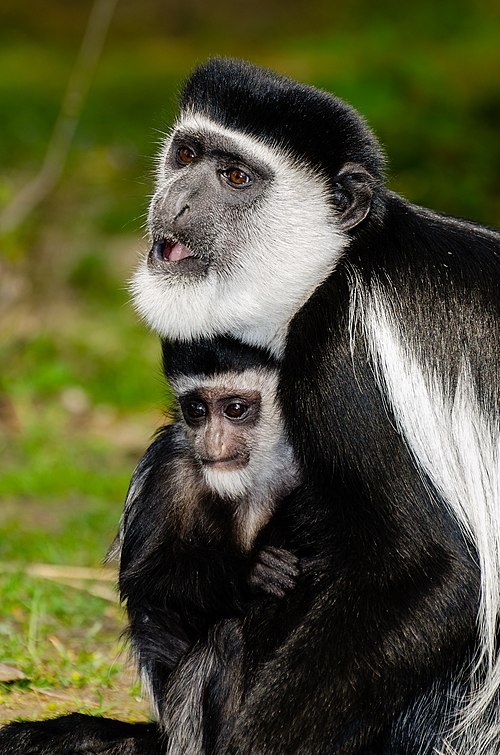
Mantled Guereza
Colobus guereza
📊 Most Spotted
Abyssinian Roller
Coracias abyssinicus
White-headed Buffalo-Weaver
Dinemellia dinemelli
Dark Chanting-Goshawk
Melierax metabates
Northern Carmine Bee-eater
Merops nubicus
Isabelline Wheatear
Oenanthe isabellina
African Grey Hornbill
Lophoceros nasutus
Fork-tailed Drongo
Dicrurus adsimilis
Common Hoopoe
Upupa epops

Somali Fiscal
Lanius somalicus

Speckled Pigeon
Columba guinea

Greater Blue-eared Starling
Lamprotornis chalybaeus

African Gray Flycatcher
Bradornis microrhynchus
⭐ Iconic Species
📊 Most Spotted
West African Crocodile
Crocodylus suchus

Nile Crocodile
Crocodylus niloticus

African Five-lined Skink
Trachylepis quinquetaeniata

Nile Monitor
Varanus niloticus

Sudan Mabuya
Trachylepis brevicollis

African Striped Skink
Trachylepis striata

Doria’s Long-tailed Lizard
Latastia doriai
📊 Most Spotted
Animal Events
Dry Season Grazing Concentration
As water sources recede, the East African Oryx and Hamadryas Baboon concentrate heavily around the remaining permanent waterholes and riverbanks, offering exceptional wildlife viewing.
Wet Season Vegetation Flush
The arrival of seasonal rains triggers a dramatic landscape green-up, prompting the Madoqua saltiana and Lesser Kudu to disperse into newly verdant thickets and bushy terrain.
Riverine Predator & Reptile Activity
Water temperatures and river flows create ideal conditions along the Awash River, where the West African Crocodile and Leopard Tortoise show heightened basking and foraging behavior.
Sighting Calendar
Chance of spotting each species, month by month
Sighting Zones
Warm areas are where all species together are recorded most, so they track where people go as much as where animals are. For one species, see the map on its own page.
Where Wildlife Score
How good is this park for seeing wildlife?Biodiversity
ExcellentHow rich is the wildlife?
Sighting
ExcellentHow likely to see animals?
Quick answers
What animals can you see in Awash National Park?
The most likely sightings are East African Oryx (seen by 70–80% of wildlife watchers), Salt's Dik-dik (seen by 60–70% of wildlife watchers), Hamadryas Baboon (seen by 60–70% of wildlife watchers), Sömmerring's Gazelle (seen by 60–70% of wildlife watchers), Grivet (seen by 60–70% of wildlife watchers) — among 1030 recorded vertebrate species, based on citizen-science data from GBIF.
When is the best time to visit Awash National Park for wildlife?
May has the highest combined sighting rate for the park's top species in our month-by-month GBIF data. The full sighting calendar on this page shows each species' best months.
Can you see East African Oryx in Awash National Park?
Yes — about 70% of wildlife watchers report a East African Oryx sighting in Awash National Park, based on 18 days of visitor records from GBIF citizen-science data.
Can you see Hamadryas Baboon in Awash National Park?
Yes — about 69% of wildlife watchers report a Hamadryas Baboon sighting in Awash National Park, based on 11 days of visitor records from GBIF citizen-science data.
Can you see Sömmerring's Gazelle in Awash National Park?
Yes — about 68% of wildlife watchers report a Sömmerring's Gazelle sighting in Awash National Park, based on 17 days of visitor records from GBIF citizen-science data.
Can you see Leopard Tortoise in Awash National Park?
Yes — about 61% of wildlife watchers report a Leopard Tortoise sighting in Awash National Park, based on 13 days of visitor records from GBIF citizen-science data.