Virunga National Park
🇨🇩 Democratic Republic of the Congo
🦍 Tracking Earth's Rarest Mountain GorillasVirunga is a tropical savanna reserve situated in the eastern Democratic Republic of the Congo, featuring sweeping grasslands and dense woodlands across its protected terrain. This rugged African landscape supports iconic populations of the Eastern Gorilla and the massive African Bush Elephant, alongside smaller forest mammals.
-0.605° S 29.463° E
Wildlife
⭐ Iconic Species
 ★
★ Eastern Gorilla
Gorilla beringei
 ★
★ African Bush Elephant
Loxodonta africana
 ★
★ Nile Crocodile
Crocodylus niloticus
 ★
★ African Buffalo
Syncerus caffer
📊 Most Spotted

Common Bulbul
Pycnonotus barbatus

Speckled Mousebird
Colius striatus

Chubb's Cisticola
Cisticola chubbi

Blue Monkey
Cercopithecus mitis

Streaky Seedeater
Crithagra striolata

L'Hoest's Guenon
Allochrocebus lhoesti

Pied Crow
Corvus albus

Black Sawwing
Psalidoprocne pristoptera

Hadada
Bostrychia hagedash

Green White-eye
Zosterops stuhlmanni

Baglafecht Weaver
Ploceus baglafecht

Northern Grey-headed Sparrow
Passer griseus
⭐ Iconic Species
★ Eastern Gorilla
Gorilla beringei
★ African Bush Elephant
Loxodonta africana
★ African Buffalo
Syncerus caffer
📊 Most Spotted
Blue Monkey
Cercopithecus mitis
L'Hoest's Guenon
Allochrocebus lhoesti
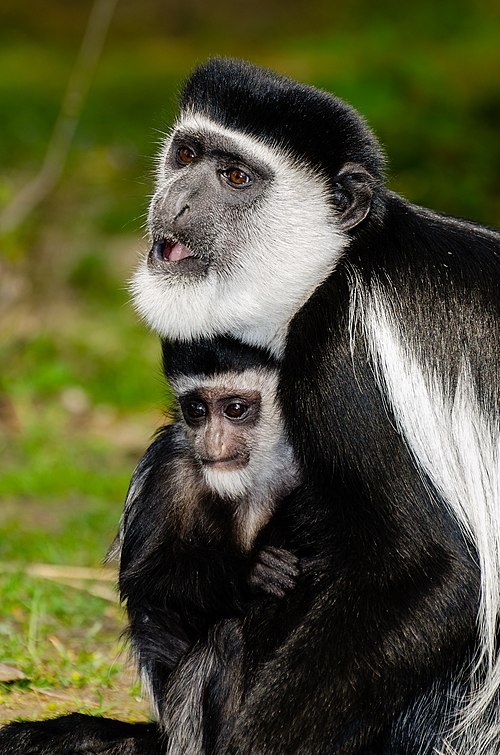
Mantled Guereza
Colobus guereza

Olive Baboon
Papio anubis

Common Hippopotamus
Hippopotamus amphibius

Kob
Kobus kob

Waterbuck
Kobus ellipsiprymnus

Common Warthog
Phacochoerus africanus

Lion
Panthera leo

Topi
Damaliscus korrigum

Red-tailed Monkey
Cercopithecus ascanius

Giant Forest Hog
Hylochoerus meinertzhageni
📊 Most Spotted
Common Bulbul
Pycnonotus barbatus
Speckled Mousebird
Colius striatus
Chubb's Cisticola
Cisticola chubbi
Streaky Seedeater
Crithagra striolata
Pied Crow
Corvus albus
Black Sawwing
Psalidoprocne pristoptera
Hadada
Bostrychia hagedash
Green White-eye
Zosterops stuhlmanni
Baglafecht Weaver
Ploceus baglafecht
Northern Grey-headed Sparrow
Passer griseus

White-eyed Slaty Flycatcher
Dioptrornis fischeri

Bronze Sunbird
Nectarinia kilimensis
⭐ Iconic Species
📊 Most Spotted

Johnston's Chameleon
Trioceros johnstoni

Coarse Chameleon
Trioceros rudis

Nile Monitor
Varanus niloticus

Jackson's Forest Lizard
Adolfus jacksoni

Montane side-striped chameleon
Trioceros ellioti

Uganda blue-headed tree agama
Acanthocercus ugandaensis

Speckle-lipped Mabuya
Trachylepis maculilabris

African Striped Skink
Trachylepis striata

Great Lakes Bush Viper
Atheris nitschei
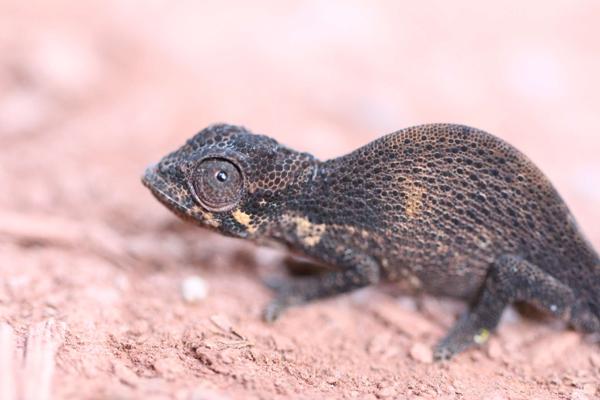
Tolley’s forest chameleon
Kinyongia tolleyae
Multi-scaled Forest Lizard
Adolfus africanus

Spotted Bush Snake
Philothamnus semivariegatus
📊 Most Spotted

Kivu Reed Frog
Hyperolius kivuensis

Common Reed Frog
Hyperolius viridiflavus

Gong Rock Frog
Hyperolius glandicolor

Natal Puddle Frog
Phrynobatrachus natalensis
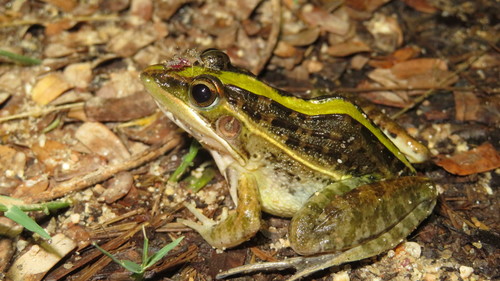
Nile Ridged Frog
Ptychadena nilotica
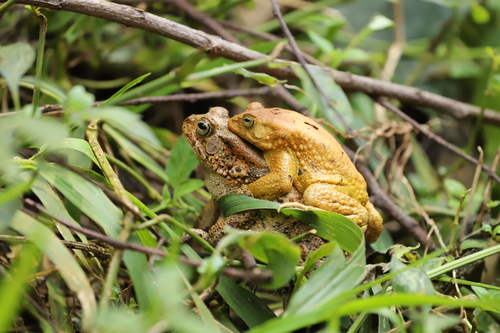
Kisolo Toad
Sclerophrys kisoloensis

Kisenyi Forest Tree Frog
Leptopelis kivuensis
Montane Spiny Reed Frog
Afrixalus orophilus

African Common Toad
Sclerophrys gutturalis

Anchieta's Ridged Frog
Ptychadena anchietae
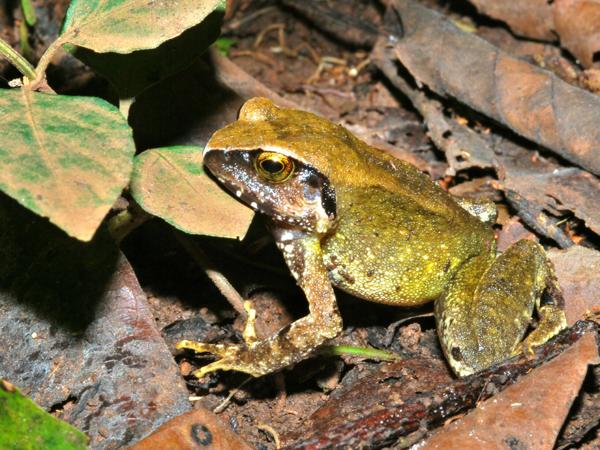
Rugegewald Screeching Frog
Arthroleptis adolfifriederici
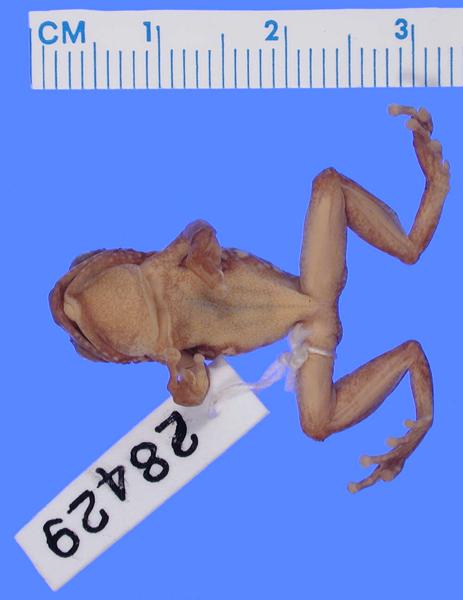
Secteur Munsenene Reed Frog
Hyperolius lateralis
Animal Events
Blue Monkey Breeding Display
During the breeding season, male Blue Monkeys perform loud vocalizations and vivid facial displays to attract females.
Nile Crocodile Nesting Period
Female Nile Crocodiles construct mound nests along riverbanks and lay clutches of eggs, guarded fiercely until hatching.
Elephant Migration Corridor
Large herds of African Bush Elephants move between dry-season water sources, creating well-worn pathways used for generations.
Sighting Calendar
Chance of spotting each species, month by month
Sighting Zones
Warm areas are where all species together are recorded most, so they track where people go as much as where animals are. For one species, see the map on its own page.
Where Wildlife Score
How good is this park for seeing wildlife?Biodiversity
ExcellentHow rich is the wildlife?
Sighting
Very goodHow likely to see animals?
Quick answers
What animals can you see in Virunga National Park?
The most likely sightings are Common Bulbul (seen by 60–70% of wildlife watchers), Eastern Gorilla (seen by 50–60% of wildlife watchers), Speckled Mousebird (seen by 40–50% of wildlife watchers), Chubb's Cisticola (seen by 40–50% of wildlife watchers), Blue Monkey (seen by 40–50% of wildlife watchers) — among 1814 recorded vertebrate species, based on citizen-science data from GBIF.
When is the best time to visit Virunga National Park for wildlife?
July has the highest combined sighting rate for the park's top species in our month-by-month GBIF data. The full sighting calendar on this page shows each species' best months.
Can you see Eastern Gorilla in Virunga National Park?
Yes — about 59% of wildlife watchers report a Eastern Gorilla sighting in Virunga National Park, based on 302 days of visitor records from GBIF citizen-science data.
Can you see African Bush Elephant in Virunga National Park?
Yes — about 35% of wildlife watchers report a African Bush Elephant sighting in Virunga National Park, based on 109 days of visitor records from GBIF citizen-science data.
Can you see Nile Crocodile in Virunga National Park?
Yes — about 22% of wildlife watchers report a Nile Crocodile sighting in Virunga National Park, based on 50 days of visitor records from GBIF citizen-science data.
Can you see African Buffalo in Virunga National Park?
Yes — about 33% of wildlife watchers report a African Buffalo sighting in Virunga National Park, based on 95 days of visitor records from GBIF citizen-science data.
.jpg?width=1920)


