Volcanoes National Park
🇷🇼 Rwanda
🦍 Gorilla Families on Volcano SlopesVolcanoes National Park sits in north‑west Rwanda, part of the East African volcanic chain. The park protects a mosaic of tropical rainforest that climbs steep slopes and cradles mist‑shrouded valleys, giving a stark contrast to the savanna that surrounds it.
-1.533° S 29.471° E
Wildlife
⭐ Iconic Species
 ★
★ Eastern Gorilla
Gorilla beringei
 ★
★ Streaky Seedeater
Crithagra striolata
 ★
★ Coarse Chameleon
Trioceros rudis
 ★
★ Blue Monkey
Cercopithecus mitis
📊 Most Spotted

Chubb's Cisticola
Cisticola chubbi

Common Bulbul
Pycnonotus barbatus

Pied Crow
Corvus albus

Baglafecht Weaver
Ploceus baglafecht

Variable Sunbird
Cinnyris venustus

Red-eyed Dove
Streptopelia semitorquata

Bronze Sunbird
Nectarinia kilimensis

Black Kite
Milvus migrans

Hadada
Bostrychia hagedash

Northern Grey-headed Sparrow
Passer griseus

African Stonechat
Saxicola torquatus

Black-crowned Waxbill
Estrilda nonnula
⭐ Iconic Species
📊 Most Spotted

Northern Bushbuck
Tragelaphus scriptus

Southern Tree Hyrax
Dendrohyrax arboreus

African Buffalo
Syncerus caffer

Carruthers' Mountain Squirrel
Funisciurus carruthersi

Spotted-necked Otter
Hydrictis maculicollis

Bush Duiker
Sylvicapra grimmia

Stuhlmann's Golden Mole
Chrysochloris stuhlmanni

African Forest Elephant
Loxodonta cyclotis
⭐ Iconic Species
📊 Most Spotted
Chubb's Cisticola
Cisticola chubbi
Common Bulbul
Pycnonotus barbatus
Pied Crow
Corvus albus
Baglafecht Weaver
Ploceus baglafecht
Variable Sunbird
Cinnyris venustus
Red-eyed Dove
Streptopelia semitorquata
Bronze Sunbird
Nectarinia kilimensis
Black Kite
Milvus migrans
Hadada
Bostrychia hagedash
Northern Grey-headed Sparrow
Passer griseus
African Stonechat
Saxicola torquatus
Black-crowned Waxbill
Estrilda nonnula
⭐ Iconic Species
📊 Most Spotted

Jackson's Forest Lizard
Adolfus jacksoni

Johnston's Chameleon
Trioceros johnstoni

African Striped Skink
Trachylepis striata

Uganda blue-headed tree agama
Acanthocercus ugandaensis
Sparse-scaled Forest Lizard
Congolacerta vauereselli

Great Lakes Bush Viper
Atheris nitschei

Montane side-striped chameleon
Trioceros ellioti
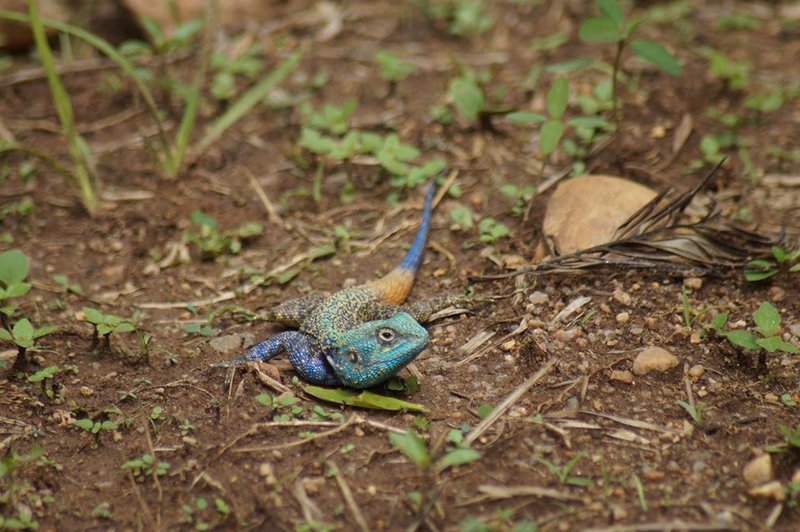
Kivu blue-headed tree agama
Acanthocercus kiwuensis
📊 Most Spotted

Natal Puddle Frog
Phrynobatrachus natalensis

Gong Rock Frog
Hyperolius glandicolor

African Common Toad
Sclerophrys gutturalis

Kisenyi Forest Tree Frog
Leptopelis kivuensis

Common Reed Frog
Hyperolius viridiflavus

Kivu Reed Frog
Hyperolius kivuensis
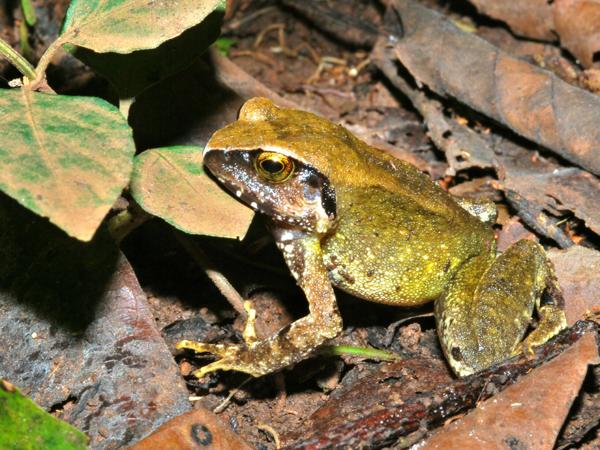
Rugegewald Screeching Frog
Arthroleptis adolfifriederici
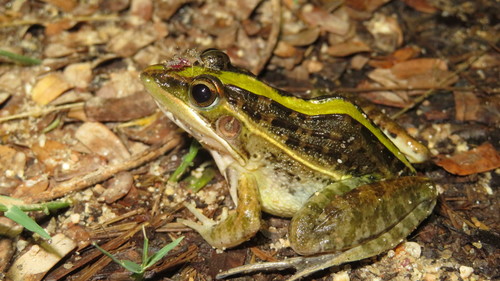
Nile Ridged Frog
Ptychadena nilotica
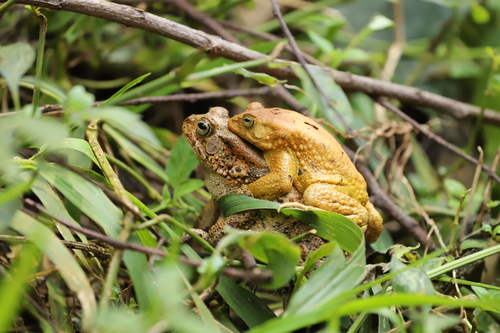
Kisolo Toad
Sclerophrys kisoloensis

Anchieta's Ridged Frog
Ptychadena anchietae
Animal Events
Gorilla Peak Activity Season
During these months, mountain gorillas experience increased mobility and social activity across the forested slopes, aligning with optimal trekking conditions.
Reptilian Basking Window
Drier breaks in the montane weather allow unique reptiles to frequent exposed branches and rocks to thermoregulate.
Avian Breeding and Song Period
Many resident bird species reach peak vocalization and breeding readiness, making the montane forests exceptionally vibrant for birdwatching.
Sighting Calendar
Chance of spotting each species, month by month
Sighting Zones
Warm areas are where all species together are recorded most, so they track where people go as much as where animals are. For one species, see the map on its own page.
Where Wildlife Score
How good is this park for seeing wildlife?Biodiversity
Very goodHow rich is the wildlife?
Sighting
GoodHow likely to see animals?
Quick answers
What animals can you see in Volcanoes National Park?
The most likely sightings are Streaky Seedeater (seen by 80–90% of wildlife watchers), Eastern Gorilla (seen by 80–90% of wildlife watchers), Coarse Chameleon (seen by 70–80% of wildlife watchers), Blue Monkey (seen by 70–80% of wildlife watchers), Chubb's Cisticola (seen by 70–80% of wildlife watchers) — among 1298 recorded vertebrate species, based on citizen-science data from GBIF.
When is the best time to visit Volcanoes National Park for wildlife?
December has the highest combined sighting rate for the park's top species in our month-by-month GBIF data. The full sighting calendar on this page shows each species' best months.
Can you see Eastern Gorilla in Volcanoes National Park?
Yes — about 81% of wildlife watchers report a Eastern Gorilla sighting in Volcanoes National Park, based on 67 days of visitor records from GBIF citizen-science data.
Can you see Streaky Seedeater in Volcanoes National Park?
Yes — about 84% of wildlife watchers report a Streaky Seedeater sighting in Volcanoes National Park, based on 623 days of visitor records from GBIF citizen-science data.
Can you see Coarse Chameleon in Volcanoes National Park?
Yes — about 78% of wildlife watchers report a Coarse Chameleon sighting in Volcanoes National Park, based on 59 days of visitor records from GBIF citizen-science data.
Can you see Blue Monkey in Volcanoes National Park?
Yes — about 76% of wildlife watchers report a Blue Monkey sighting in Volcanoes National Park, based on 53 days of visitor records from GBIF citizen-science data.
.jpg?width=1920)


