Chobe National Park
🇧🇼 Botswana
🐘 Largest Elephant Herds Roam ChobeChobe National Park in northern Botswana is a tropical savanna that hugs the Chobe River and stretches across flood‑plain grasslands and scattered woodlands. The park’s open plains meet river islands, creating a mosaic of water and dry land that supports large herbivore movements.
-18.690° S 24.195° E
Wildlife
⭐ Iconic Species
 ★
★ African Bush Elephant
Loxodonta africana
 ★
★ Lion
Panthera leo
 ★
★ Southern Giraffe
Giraffa giraffa
 ★
★ Chobe Dwarf Gecko
Lygodactylus chobiensis
📊 Most Spotted

Blacksmith Lapwing
Vanellus armatus

African Fish-Eagle
Haliaeetus vocifer

Egyptian Goose
Alopochen aegyptiaca

Helmeted Guineafowl
Numida meleagris

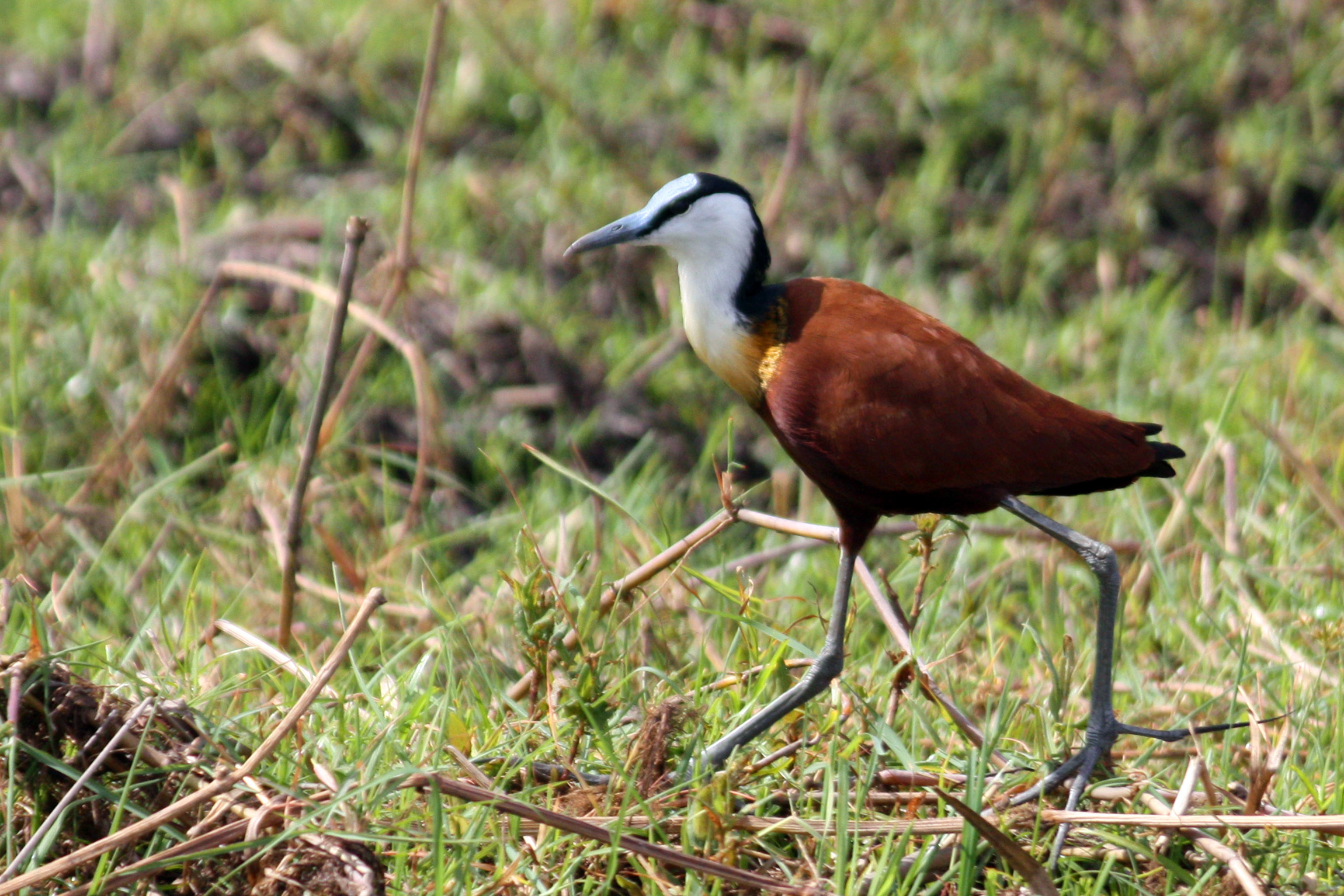
African Jacana
Actophilornis africanus

Cape Turtle Dove
Streptopelia capicola

Nile Crocodile
Crocodylus niloticus

Great Egret
Ardea alba

Lilac-breasted Roller
Coracias caudatus

Greater Kudu
Tragelaphus strepsiceros

Fork-tailed Drongo
Dicrurus adsimilis

Impala
Aepyceros melampus
⭐ Iconic Species
★ African Bush Elephant
Loxodonta africana
★ Lion
Panthera leo
★ Southern Giraffe
Giraffa giraffa
📊 Most Spotted
Greater Kudu
Tragelaphus strepsiceros
Impala
Aepyceros melampus

Common Hippopotamus
Hippopotamus amphibius

African Buffalo
Syncerus caffer

Chacma Baboon
Papio ursinus

Common Warthog
Phacochoerus africanus

Waterbuck
Kobus ellipsiprymnus

Banded Mongoose
Mungos mungo

Leopard
Panthera pardus

Plains Zebra
Equus quagga

Lechwe
Kobus leche

Sable Antelope
Hippotragus niger
📊 Most Spotted
Blacksmith Lapwing
Vanellus armatus
African Fish-Eagle
Haliaeetus vocifer
Egyptian Goose
Alopochen aegyptiaca
Helmeted Guineafowl
Numida meleagris
African Jacana
Actophilornis africanus
Cape Turtle Dove
Streptopelia capicola
Great Egret
Ardea alba
Lilac-breasted Roller
Coracias caudatus
Fork-tailed Drongo
Dicrurus adsimilis

African Darter
Anhinga rufa

Grey Heron
Ardea cinerea

African Openbilled Stork
Anastomus lamelligerus
⭐ Iconic Species
📊 Most Spotted
Nile Crocodile
Crocodylus niloticus

Nile Monitor
Varanus niloticus

Wahlberg’s Striped Skink
Trachylepis wahlbergii

Leopard Tortoise
Stigmochelys pardalis

Fischer's Thick-toed Gecko
Chondrodactylus laevigatus

Flap-necked Chameleon
Chamaeleo dilepis

Southern African Python
Python natalensis

Tropical House Gecko
Hemidactylus mabouia

Puff Adder
Bitis arietans

Boomslang
Dispholidus typus

Spotted Bush Snake
Philothamnus semivariegatus

Olive Whip Snake
Psammophis mossambicus


Animal Events
Elephant Riverfront Concentration
During the peak of the dry season, massive herds of African Bush Elephants congregate in high densities along the Chobe Riverfront to drink and bathe, creating unparalleled wildlife viewing spectacles.
Intense Lion Pride Territorial Roaming
Lion prides actively patrol and defend their dry-season territories along the concentrated river corridors where prey species are forced to gather.
Impala Synchronized Lambing Season
The onset of the green season triggers a synchronized birthing pulse among impalas, dropping their young simultaneously to overwhelm local predators with sheer numbers.
Sighting Calendar
Chance of spotting each species, month by month
Sighting Zones
Warm areas are where all species together are recorded most, so they track where people go as much as where animals are. For one species, see the map on its own page.
Where Wildlife Score
How good is this park for seeing wildlife?Biodiversity
Very goodHow rich is the wildlife?
Sighting
ExcellentHow likely to see animals?
Quick answers
What animals can you see in Chobe National Park?
The most likely sightings are Blacksmith Lapwing (seen by 70–80% of wildlife watchers), African Bush Elephant (seen by 60–70% of wildlife watchers), African Fish-Eagle (seen by 60–70% of wildlife watchers), Lion (seen by 60–70% of wildlife watchers), Egyptian Goose (seen by 60–70% of wildlife watchers) — among 972 recorded vertebrate species, based on citizen-science data from GBIF.
When is the best time to visit Chobe National Park for wildlife?
April has the highest combined sighting rate for the park's top species in our month-by-month GBIF data. The full sighting calendar on this page shows each species' best months.
Can you see African Bush Elephant in Chobe National Park?
Yes — about 66% of wildlife watchers report a African Bush Elephant sighting in Chobe National Park, based on 300 days of visitor records from GBIF citizen-science data.
Can you see Lion in Chobe National Park?
Yes — about 63% of wildlife watchers report a Lion sighting in Chobe National Park, based on 268 days of visitor records from GBIF citizen-science data.
Can you see Southern Giraffe in Chobe National Park?
Yes — about 59% of wildlife watchers report a Southern Giraffe sighting in Chobe National Park, based on 230 days of visitor records from GBIF citizen-science data.
Can you see Chobe Dwarf Gecko in Chobe National Park?
Yes — about 20% of wildlife watchers report a Chobe Dwarf Gecko sighting in Chobe National Park, based on 30 days of visitor records from GBIF citizen-science data.