Gauja National Park
🇱🇻 Latvia
🐻 Brown Bear Denning at GaujaGauja National Park in northern Latvia protects a classic temperate forest landscape of mixed pine and oak, winding river valleys, limestone cliffs and open meadow patches. Trails wind through shady woodlands and along the Gauja River, offering a glimpse of the region’s natural mosaic.
57.277° N 25.021° E
Wildlife
⭐ Iconic Species
 ★
★ Brown Bear
Ursus arctos
 ★
★ Western Roe Deer
Capreolus capreolus
 ★
★ European Common Frog
Rana temporaria
 ★
★ Black Swan
Cygnus atratus
📊 Most Spotted

Great Tit
Parus major

Hooded Crow
Corvus cornix

Eurasian Magpie
Pica pica

Eurasian Tree Sparrow
Passer montanus

Eurasian Blackbird
Turdus merula

Common Raven
Corvus corax

Mallard
Anas platyrhynchos
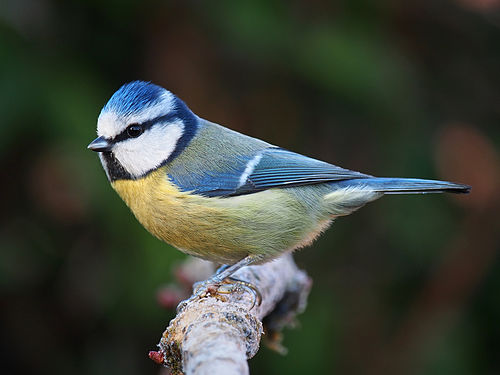
Blue Tit
Cyanistes caeruleus

Common Chiffchaff
Phylloscopus collybita

European Herring Gull
Larus argentatus

Wood Pigeon
Columba palumbus

European Greenfinch
Chloris chloris
⭐ Iconic Species
📊 Most Spotted
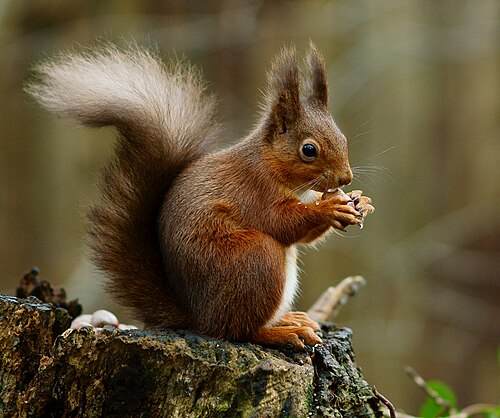
Eurasian Red Squirrel
Sciurus vulgaris

Eurasian Beaver
Castor fiber

Red Fox
Vulpes vulpes

Elk
Alces alces

Pine Marten
Martes martes

Mainland Raccoon Dog
Nyctereutes procyonoides
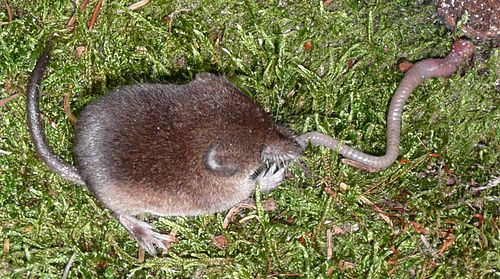
Common Shrew
Sorex araneus
European Mole
Talpa europaea

Elk
Cervus elaphus

Brown Hare
Lepus europaeus

Brown Big-eared Bat
Plecotus auritus

Wild Boar
Sus scrofa
⭐ Iconic Species
📊 Most Spotted
Great Tit
Parus major
Hooded Crow
Corvus cornix
Eurasian Magpie
Pica pica
Eurasian Tree Sparrow
Passer montanus
Eurasian Blackbird
Turdus merula
Common Raven
Corvus corax
Mallard
Anas platyrhynchos
Blue Tit
Cyanistes caeruleus
Common Chiffchaff
Phylloscopus collybita
European Herring Gull
Larus argentatus
Wood Pigeon
Columba palumbus
European Greenfinch
Chloris chloris


Animal Events
Brown Bear Denning Season
Bears emerge from hibernation or prepare for winter, creating opportunities for guided wildlife tracking tours in the dense forests.
Roe Deer Rutting Season
Male roe deer engage in territorial displays and vocalizations, offering prime opportunities for wildlife photographers and observers.
Amphibian Breeding Chorus
Thousands of frogs and toads gather in wetlands to breed, creating a loud, synchronized chorus at dawn and dusk.
Sighting Calendar
Chance of spotting each species, month by month
Sighting Zones
Warm areas are where all species together are recorded most, so they track where people go as much as where animals are. For one species, see the map on its own page.
Where Wildlife Score
How good is this park for seeing wildlife?Biodiversity
GoodHow rich is the wildlife?
Sighting
GoodHow likely to see animals?
Quick answers
What animals can you see in Gauja National Park?
The most likely sightings are Great Tit (seen by 80–90% of wildlife watchers), Hooded Crow (seen by 80–90% of wildlife watchers), Eurasian Magpie (seen by 70–80% of wildlife watchers), Eurasian Tree Sparrow (seen by 60–70% of wildlife watchers), European Common Frog (seen by 50–60% of wildlife watchers) — among 363 recorded vertebrate species, based on citizen-science data from GBIF.
When is the best time to visit Gauja National Park for wildlife?
April has the highest combined sighting rate for the park's top species in our month-by-month GBIF data. The full sighting calendar on this page shows each species' best months.
Can you see Brown Bear in Gauja National Park?
Yes — about 20% of wildlife watchers report a Brown Bear sighting in Gauja National Park, based on 5 days of visitor records from GBIF citizen-science data.
Can you see Western Roe Deer in Gauja National Park?
Yes — about 29% of wildlife watchers report a Western Roe Deer sighting in Gauja National Park, based on 9 days of visitor records from GBIF citizen-science data.
Can you see European Common Frog in Gauja National Park?
Yes — about 59% of wildlife watchers report a European Common Frog sighting in Gauja National Park, based on 25 days of visitor records from GBIF citizen-science data.
Can you see Black Swan in Gauja National Park?
Yes — about 34% of wildlife watchers report a Black Swan sighting in Gauja National Park, based on 7 days of visitor records from GBIF citizen-science data.


_on_hemp-agrimony_(Eupatorium_cannabinum).jpg?width=1920)