Amboseli National Park
🇰🇪 Kenya
🐘 Elephant Kingdom of AmboseliAmboseli National Park is a tropical savanna reserve situated in southern Kenya, featuring open grasslands, sparse acacia woodlands, and seasonal marshlands beneath Mount Kilimanjaro. This low-relief landscape lacks dense forests, offering wide horizons where volcanic dust flats stretch between muddy swamps and dry acacia tracks.
-2.623° S 37.204° E
Wildlife
⭐ Iconic Species
 ★
★ African Bush Elephant
Loxodonta africana
 ★
★ Lion
Panthera leo
 ★
★ East African Giraffe
Giraffa tippelskirchi
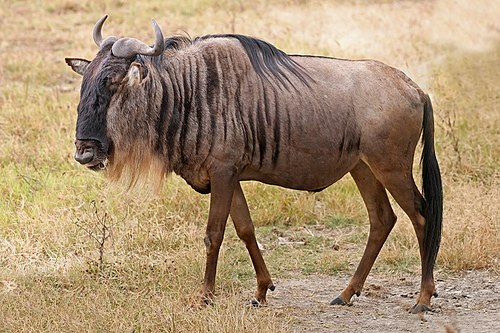 ★
★ Blue Wildebeest
Connochaetes taurinus
📊 Most Spotted

Blacksmith Lapwing
Vanellus armatus

Egyptian Goose
Alopochen aegyptiaca

Grey Crowned Crane
Balearica regulorum

Superb Starling
Lamprotornis superbus

African Jacana
Actophilornis africanus

Crowned Lapwing
Vanellus coronatus

Plains Zebra
Equus quagga

Cattle Egret
Bubulcus ibis

Thomson's Gazelle
Eudorcas thomsonii

Common Ostrich
Struthio camelus

Grant's Gazelle
Nanger granti

Black-winged Stilt
Himantopus himantopus
⭐ Iconic Species
★ African Bush Elephant
Loxodonta africana
★ Lion
Panthera leo
★ East African Giraffe
Giraffa tippelskirchi
★ Blue Wildebeest
Connochaetes taurinus
📊 Most Spotted
Plains Zebra
Equus quagga
Thomson's Gazelle
Eudorcas thomsonii
Grant's Gazelle
Nanger granti
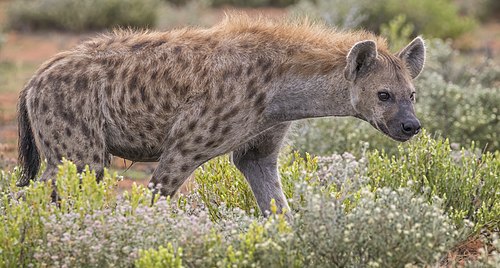
Spotted Hyena
Crocuta crocuta

Common Hippopotamus
Hippopotamus amphibius

Vervet Monkey
Chlorocebus pygerythrus

Yellow Baboon
Papio cynocephalus

Bohor Reedbuck
Redunca redunca

Common Warthog
Phacochoerus africanus

African Buffalo
Syncerus caffer

Waterbuck
Kobus ellipsiprymnus

Cheetah
Acinonyx jubatus
📊 Most Spotted
Blacksmith Lapwing
Vanellus armatus
Egyptian Goose
Alopochen aegyptiaca
Grey Crowned Crane
Balearica regulorum
Superb Starling
Lamprotornis superbus
African Jacana
Actophilornis africanus
Crowned Lapwing
Vanellus coronatus
Cattle Egret
Bubulcus ibis
Common Ostrich
Struthio camelus
Black-winged Stilt
Himantopus himantopus

Greater Flamingo
Phoenicopterus roseus

Glossy Ibis
Plegadis falcinellus

Long-toed Lapwing
Vanellus crassirostris
📊 Most Spotted

Kenyan Rock Agama
Agama lionotus

African Striped Skink
Trachylepis striata

Leopard Tortoise
Stigmochelys pardalis

Graceful Chameleon
Chamaeleo gracilis

Tropical House Gecko
Hemidactylus mabouia

Common Long-tailed Lizard
Latastia longicaudata

Southern African Python
Python natalensis

Rock Monitor
Varanus albigularis

Painted Dwarf Gecko
Lygodactylus picturatus

Red Spitting Cobra
Naja pallida

Puff Adder
Bitis arietans

Nile Crocodile
Crocodylus niloticus


Animal Events
Elephant Peak Activity
Elephants congregate in large numbers around the permanent swamps and marshes to feed on lush papyrus and green flush during early seasonal transitions.
Flamigreen Wetland Rains
Seasonal rains fill the vast, dry Amboseli lake bed, attracting massive flocks of lesser and greater flamingos to the shallow alkaline waters.

Predator Activity Peak
Lions and hyenas take advantage of congregating plains game as water sources fluctuate, creating dramatic wildlife interactions.
Sighting Calendar
Chance of spotting each species, month by month
Sighting Zones
Warm areas are where all species together are recorded most, so they track where people go as much as where animals are. For one species, see the map on its own page.
Where Wildlife Score
How good is this park for seeing wildlife?Biodiversity
Very goodHow rich is the wildlife?
Sighting
ExcellentHow likely to see animals?
Quick answers
What animals can you see in Amboseli National Park?
The most likely sightings are African Bush Elephant (seen by 70–80% of wildlife watchers), Blacksmith Lapwing (seen by 70–80% of wildlife watchers), Egyptian Goose (seen by 70–80% of wildlife watchers), Blue Wildebeest (seen by 70–80% of wildlife watchers), Grey Crowned Crane (seen by 70–80% of wildlife watchers) — among 1272 recorded vertebrate species, based on citizen-science data from GBIF.
When is the best time to visit Amboseli National Park for wildlife?
March has the highest combined sighting rate for the park's top species in our month-by-month GBIF data. The full sighting calendar on this page shows each species' best months.
Can you see African Bush Elephant in Amboseli National Park?
Yes — about 75% of wildlife watchers report a African Bush Elephant sighting in Amboseli National Park, based on 199 days of visitor records from GBIF citizen-science data.
Can you see Lion in Amboseli National Park?
Yes — about 54% of wildlife watchers report a Lion sighting in Amboseli National Park, based on 87 days of visitor records from GBIF citizen-science data.
Can you see East African Giraffe in Amboseli National Park?
Yes — about 52% of wildlife watchers report a East African Giraffe sighting in Amboseli National Park, based on 78 days of visitor records from GBIF citizen-science data.
Can you see Blue Wildebeest in Amboseli National Park?
Yes — about 73% of wildlife watchers report a Blue Wildebeest sighting in Amboseli National Park, based on 179 days of visitor records from GBIF citizen-science data.


_(27964916384).jpg?width=1920)