Jim Corbett National Park
🇮🇳 India
🐯 Tiger Tracks Along the RamgangaJim Corbett National Park is a protected wildlife reserve nestled in the foothills of the Himalayas in northern India. This landscape combines dense tropical pine forests, river valleys, and steep ridges, creating a distinct habitat that separates the mountain ecosystems from the plains below.
29.559° N 78.863° E
Wildlife
⭐ Iconic Species
 ★
★ Tiger
Panthera tigris
 ★
★ Asian Elephant
Elephas maximus
 ★
★ Axis Deer
Axis axis
 ★
★ Gharial
Gavialis gangeticus
📊 Most Spotted

White-cheeked Bulbul
Pycnonotus leucogenys

Jungle Babbler
Turdoides striata

Red Junglefowl
Gallus gallus

Common Peafowl
Pavo cristatus

Sambar
Rusa unicolor

Indian Muntjac
Muntiacus muntjak

Plum-headed Parakeet
Psittacula cyanocephala

Red-whiskered Bulbul
Pycnonotus jocosus

Rhesus Macaque
Macaca mulatta

Asian Jackal
Canis aureus

Blue Whistling-Thrush
Myophonus caeruleus

White-throated Kingfisher
Halcyon smyrnensis
⭐ Iconic Species
★ Tiger
Panthera tigris
★ Asian Elephant
Elephas maximus
★ Axis Deer
Axis axis
📊 Most Spotted
Sambar
Rusa unicolor
Indian Muntjac
Muntiacus muntjak
Rhesus Macaque
Macaca mulatta
Asian Jackal
Canis aureus

Himalayan Langur
Semnopithecus schistaceus

Wild Boar
Sus scrofa

Tarai Gray Langur
Semnopithecus hector

Yellow-throated Marten
Martes flavigula

Northern Palm Squirrel
Funambulus pennantii

Hog Deer
Axis porcinus

Sloth Bear
Melursus ursinus

Indian Gray Mongoose
Herpestes edwardsi
📊 Most Spotted
White-cheeked Bulbul
Pycnonotus leucogenys
Jungle Babbler
Turdoides striata
Red Junglefowl
Gallus gallus
Common Peafowl
Pavo cristatus
Plum-headed Parakeet
Psittacula cyanocephala
Red-whiskered Bulbul
Pycnonotus jocosus
Blue Whistling-Thrush
Myophonus caeruleus
White-throated Kingfisher
Halcyon smyrnensis

Long-tailed Shrike
Lanius schach

Red-wattled Lapwing
Vanellus indicus

Indian White-eye
Zosterops palpebrosus

Pearl-necked Dove
Spilopelia chinensis
⭐ Iconic Species
📊 Most Spotted

Bengal Monitor
Varanus bengalensis

Indian Black Turtle
Melanochelys trijuga
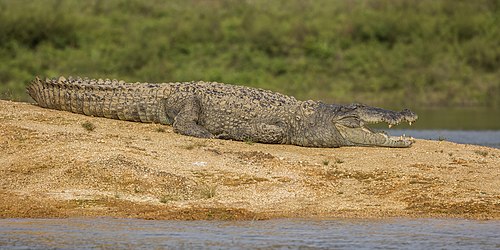
Mugger Crocodile
Crocodylus palustris

Indian Tent Turtle
Pangshura tentoria

Burmese Python
Python bivittatus

Oriental Garden Lizard
Calotes versicolor

Indian Softshell Turtle
Nilssonia gangetica

Kashmir Rock Agama
Laudakia tuberculata

Copperhead Rat Snake
Coelognathus radiatus

Common Bronzeback Tree Snake
Dendrelaphis tristis

Banded bent-toed Gecko
Cyrtodactylus fasciolatus

Chequered Keelback
Fowlea piscator


Animal Events
Tiger Sighting Peak Season
The dry summer months reduce water sources to specific river channels, significantly increasing visibility and activity of apex predators.
Asian Elephant Migration and Gathering
Herds gather in greater numbers along the lower valley grasslands and watercourses to feed and beat the rising summer heat.
Spotted Dove Breeding and Activity
Increased avian vocalization and foraging activity across woodland edges and open clearings following seasonal temperature shifts.
Sighting Calendar
Chance of spotting each species, month by month
Sighting Zones
Warm areas are where all species together are recorded most, so they track where people go as much as where animals are. For one species, see the map on its own page.
Where Wildlife Score
How good is this park for seeing wildlife?Biodiversity
ExcellentHow rich is the wildlife?
Sighting
ExcellentHow likely to see animals?
Quick answers
What animals can you see in Jim Corbett National Park?
The most likely sightings are Axis Deer (seen by 60–70% of wildlife watchers), Asian Elephant (seen by 60–70% of wildlife watchers), White-cheeked Bulbul (seen by 60–70% of wildlife watchers), Jungle Babbler (seen by 60–70% of wildlife watchers), Red Junglefowl (seen by 50–60% of wildlife watchers) — among 1054 recorded vertebrate species, based on citizen-science data from GBIF.
When is the best time to visit Jim Corbett National Park for wildlife?
February has the highest combined sighting rate for the park's top species in our month-by-month GBIF data. The full sighting calendar on this page shows each species' best months.
Can you see Tiger in Jim Corbett National Park?
Yes — about 56% of wildlife watchers report a Tiger sighting in Jim Corbett National Park, based on 42 days of visitor records from GBIF citizen-science data.
Can you see Asian Elephant in Jim Corbett National Park?
Yes — about 65% of wildlife watchers report a Asian Elephant sighting in Jim Corbett National Park, based on 60 days of visitor records from GBIF citizen-science data.
Can you see Axis Deer in Jim Corbett National Park?
Yes — about 66% of wildlife watchers report a Axis Deer sighting in Jim Corbett National Park, based on 61 days of visitor records from GBIF citizen-science data.
Can you see Gharial in Jim Corbett National Park?
Yes — about 30% of wildlife watchers report a Gharial sighting in Jim Corbett National Park, based on 13 days of visitor records from GBIF citizen-science data.


