Keoladeo National Park
🇮🇳 India
🐦 Painted Stork Monsoon Heronry SpectaclesKeoladeo National Park is a tropical rainforest reserve situated in India, featuring dense canopies, damp earthen floors, and winding trails beneath towering trees. This dense jungle stands apart from dry scrublands through its lush vegetation and year-round humidity.
27.166° N 77.517° E
Wildlife
⭐ Iconic Species
 ★
★ Baikal Teal
Sibirionetta formosa
 ★
★ Indian Roofed Turtle
Pangshura tecta
 ★
★ Bengal Monitor
Varanus bengalensis
📊 Most Spotted

White-throated Kingfisher
Halcyon smyrnensis

Painted Stork
Mycteria leucocephala

Rose-ringed Parakeet
Psittacula krameri
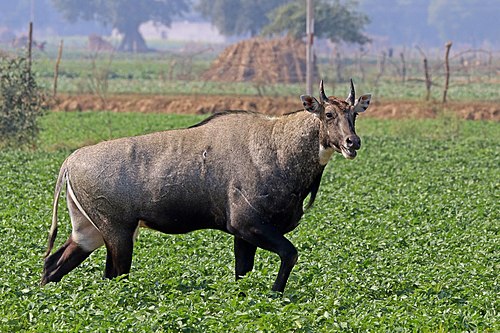
Nilgai
Boselaphus tragocamelus

Red-wattled Lapwing
Vanellus indicus

Purple Heron
Ardea purpurea

Grey Heron
Ardea cinerea

Oriental Darter
Anhinga melanogaster

White-breasted Waterhen
Amaurornis phoenicurus

Indian Spot-billed Duck
Anas poecilorhyncha

Black-headed Ibis
Threskiornis melanocephalus

Indian Pond Heron
Ardeola grayii
📊 Most Spotted
Nilgai
Boselaphus tragocamelus

Axis Deer
Axis axis

Indian Flying Fox
Pteropus medius

Asian Jackal
Canis aureus

Rhesus Macaque
Macaca mulatta

Northern Palm Squirrel
Funambulus pennantii

Wild Boar
Sus scrofa

Blackbuck
Antilope cervicapra

Indian Crested Porcupine
Hystrix indica

Indian Gray Mongoose
Herpestes edwardsi

Sambar
Rusa unicolor

Indian Hare
Lepus nigricollis
⭐ Iconic Species
📊 Most Spotted
White-throated Kingfisher
Halcyon smyrnensis
Painted Stork
Mycteria leucocephala
Rose-ringed Parakeet
Psittacula krameri
Red-wattled Lapwing
Vanellus indicus
Purple Heron
Ardea purpurea
Grey Heron
Ardea cinerea
Oriental Darter
Anhinga melanogaster
White-breasted Waterhen
Amaurornis phoenicurus
Indian Spot-billed Duck
Anas poecilorhyncha
Black-headed Ibis
Threskiornis melanocephalus
Indian Pond Heron
Ardeola grayii

Oriental Magpie-Robin
Copsychus saularis
⭐ Iconic Species
📊 Most Spotted
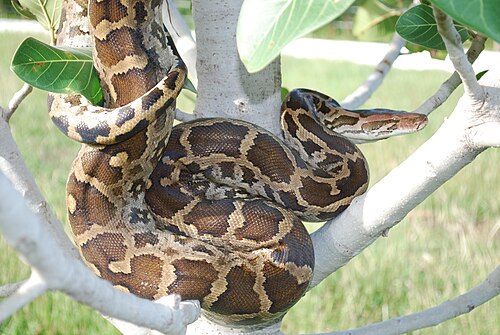
Indian Python
Python molurus

Indian Softshell Turtle
Nilssonia gangetica

Chequered Keelback
Fowlea piscator

Indian Cobra
Naja naja

Indian Flap-shelled Turtle
Lissemys punctata

Oriental Garden Lizard
Calotes versicolor

Northern House Gecko
Hemidactylus flaviviridis

Indian Star Tortoise
Geochelone elegans

Indian Tent Turtle
Pangshura tentoria

Dhaman
Ptyas mucosa
📊 Most Spotted
Animal Events
Waterfowl Festival
Over 300 bird species congregate, with Baikal Teal and other migratory ducks dominating the wetlands during peak winter.
Monsoon Heronry
Breeding colonies of herons and egrets form dense nesting sites in monsoon-flooded trees, with Ardea modesta as a key species.

Raptor Migration
Migratory raptors like Crested Hawk-Eagle pass through, while resident species such as the Bengal Monitor become more active.

Sighting Calendar
Chance of spotting each species, month by month
Sighting Zones
Warm areas are where all species together are recorded most, so they track where people go as much as where animals are. For one species, see the map on its own page.
Where Wildlife Score
How good is this park for seeing wildlife?Biodiversity
GoodHow rich is the wildlife?
Sighting
ExcellentHow likely to see animals?
Quick answers
What animals can you see in Keoladeo National Park?
The most likely sightings are White-throated Kingfisher (seen by 80–90% of wildlife watchers), Painted Stork (seen by 80–90% of wildlife watchers), Rose-ringed Parakeet (seen by 80–90% of wildlife watchers), Nilgai (seen by 80–90% of wildlife watchers), Red-wattled Lapwing (seen by 80–90% of wildlife watchers) — among 706 recorded vertebrate species, based on citizen-science data from GBIF.
When is the best time to visit Keoladeo National Park for wildlife?
April has the highest combined sighting rate for the park's top species in our month-by-month GBIF data. The full sighting calendar on this page shows each species' best months.
Can you see Baikal Teal in Keoladeo National Park?
It's possible but not guaranteed: about 12% of wildlife watchers report a Baikal Teal sighting in Keoladeo National Park, based on 2 days of visitor records from GBIF citizen-science data. Sightings take luck and time in the field.
Can you see Indian Roofed Turtle in Keoladeo National Park?
Yes — about 28% of wildlife watchers report a Indian Roofed Turtle sighting in Keoladeo National Park, based on 10 days of visitor records from GBIF citizen-science data.
Can you see Bengal Monitor in Keoladeo National Park?
Yes — about 50% of wildlife watchers report a Bengal Monitor sighting in Keoladeo National Park, based on 28 days of visitor records from GBIF citizen-science data.

_male.jpg?width=1920)