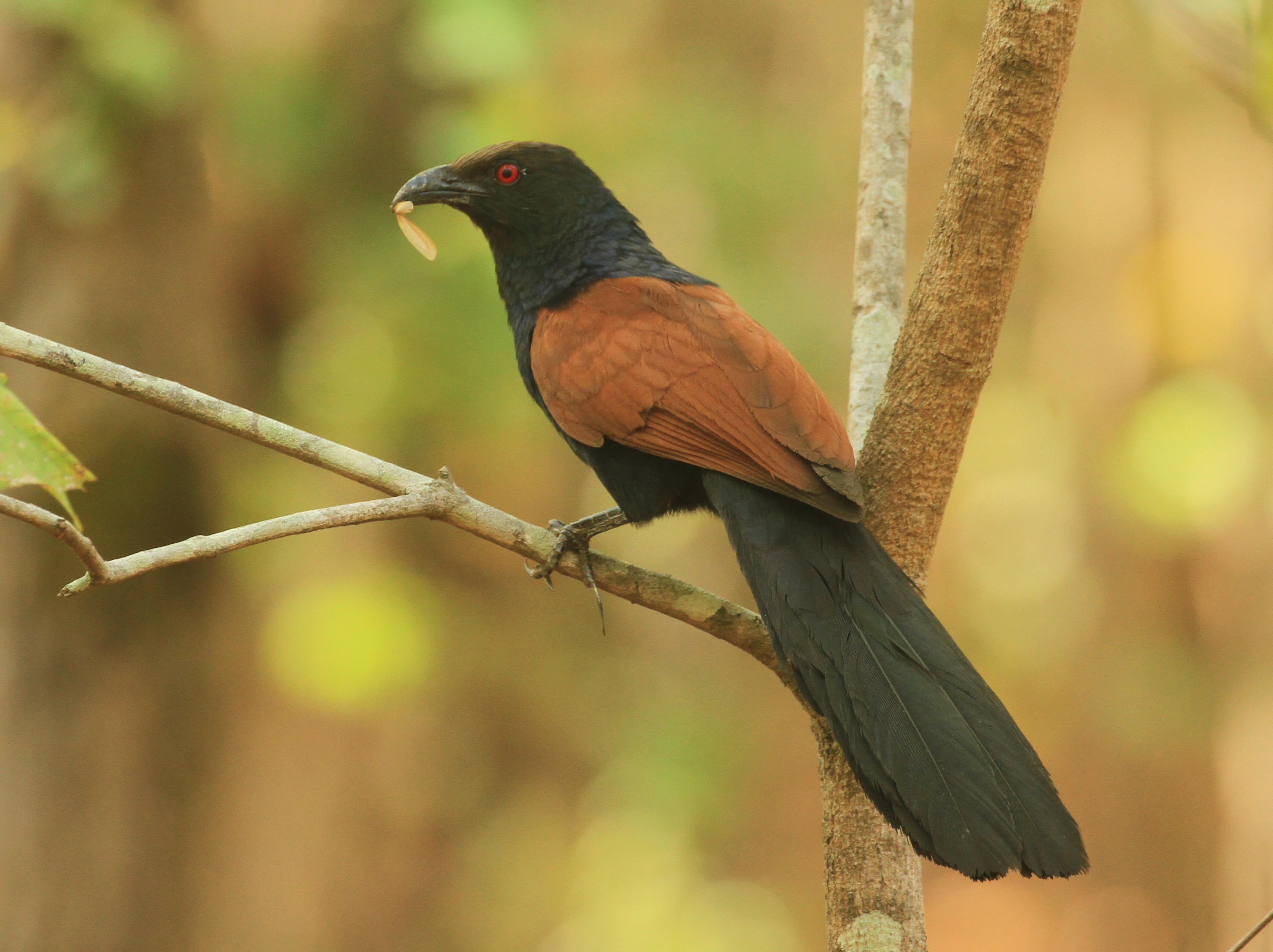
Ranthambore National Park
🇮🇳 India
🐯 Tigers at the Ranthambore LakesRanthambore National Park lies in Rajasthan, India, and spreads across a mosaic of tropical dry forest, scrubland and striking sandstone hills that rise from the surrounding plains. The terrain’s mix of dense thickets, open grass patches and seasonal waterholes gives the park a character distinct from the evergreen jungles of the northeast.
26.016° N 76.469° E
Wildlife
⭐ Iconic Species
 ★
★ Tiger
Panthera tigris
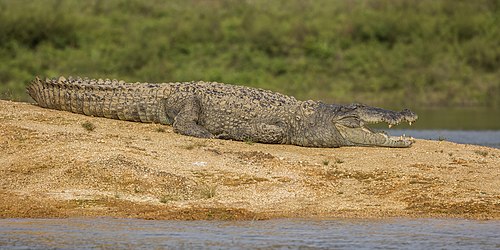 ★
★ Mugger Crocodile
Crocodylus palustris
 ★
★ Sloth Bear
Melursus ursinus
 ★
★ Leopard
Panthera pardus
📊 Most Spotted

Axis Deer
Axis axis

Red-wattled Lapwing
Vanellus indicus

Rufous Treepie
Dendrocitta vagabunda

Rose-ringed Parakeet
Psittacula krameri

Common Peafowl
Pavo cristatus

Northern Plains Gray Langur
Semnopithecus entellus

Sambar
Rusa unicolor

Jungle Babbler
Turdoides striata

White-throated Kingfisher
Halcyon smyrnensis
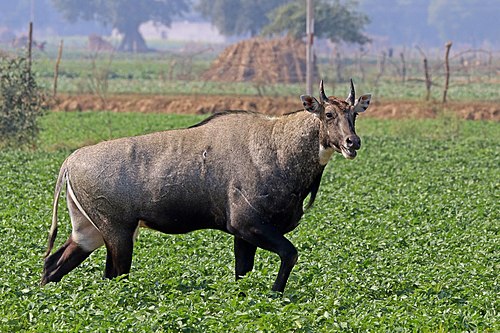
Nilgai
Boselaphus tragocamelus

Grey Francolin
Ortygornis pondicerianus

Indian Pond Heron
Ardeola grayii
⭐ Iconic Species
★ Tiger
Panthera tigris
★ Sloth Bear
Melursus ursinus
★ Leopard
Panthera pardus
📊 Most Spotted
Axis Deer
Axis axis
Northern Plains Gray Langur
Semnopithecus entellus
Sambar
Rusa unicolor
Nilgai
Boselaphus tragocamelus

Wild Boar
Sus scrofa

Ruddy Mongoose
Herpestes smithii

Indian Gazelle
Gazella bennettii

Northern Palm Squirrel
Funambulus pennantii

Rhesus Macaque
Macaca mulatta

Indian Flying Fox
Pteropus medius

Indian Hare
Lepus nigricollis

Indian Gray Mongoose
Herpestes edwardsi
📊 Most Spotted
Red-wattled Lapwing
Vanellus indicus
Rufous Treepie
Dendrocitta vagabunda
Rose-ringed Parakeet
Psittacula krameri
Common Peafowl
Pavo cristatus
Jungle Babbler
Turdoides striata
White-throated Kingfisher
Halcyon smyrnensis
Grey Francolin
Ortygornis pondicerianus
Indian Pond Heron
Ardeola grayii

Black-winged Stilt
Himantopus himantopus

White-breasted Waterhen
Amaurornis phoenicurus

Little Cormorant
Microcarbo niger

Indian Robin
Saxicoloides fulicatus
⭐ Iconic Species
📊 Most Spotted

Indian Flap-shelled Turtle
Lissemys punctata

Oriental Garden Lizard
Calotes versicolor

Gharial
Gavialis gangeticus

Bengal Monitor
Varanus bengalensis

Chequered Keelback
Fowlea piscator

Indian Softshell Turtle
Nilssonia gangetica

Red-crowned Roofed Turtle
Batagur kachuga

Common Krait
Bungarus caeruleus

Saw-scaled Viper
Echis carinatus

Northern House Gecko
Hemidactylus flaviviridis

Indian Wolf Snake
Lycodon aulicus

Dhaman
Ptyas mucosa


Animal Events
Tiger Mating Season
During June, male tigers patrol larger territories and females exhibit estrus, increasing sightings and vocalizations.
Crocodile Breeding in Waterholes
In the cooler months, crocodiles gather in shallow pools to lay eggs and guard nests, making them more observable.
Sloth Bear Post-Monsoon Foraging
After the monsoon, sloth bears intensify foraging for termites and fruits, often seen near riverbanks.
Sighting Calendar
Chance of spotting each species, month by month
Sighting Zones
Warm areas are where all species together are recorded most, so they track where people go as much as where animals are. For one species, see the map on its own page.
Where Wildlife Score
How good is this park for seeing wildlife?Biodiversity
GoodHow rich is the wildlife?
Sighting
ExcellentHow likely to see animals?
Quick answers
What animals can you see in Ranthambore National Park?
The most likely sightings are Axis Deer (seen by 80–90% of wildlife watchers), Red-wattled Lapwing (seen by 80–90% of wildlife watchers), Rufous Treepie (seen by 80–90% of wildlife watchers), Rose-ringed Parakeet (seen by 80–90% of wildlife watchers), Common Peafowl (seen by 80–90% of wildlife watchers) — among 673 recorded vertebrate species, based on citizen-science data from GBIF.
When is the best time to visit Ranthambore National Park for wildlife?
October has the highest combined sighting rate for the park's top species in our month-by-month GBIF data. The full sighting calendar on this page shows each species' best months.
Can you see Tiger in Ranthambore National Park?
Yes — about 75% of wildlife watchers report a Tiger sighting in Ranthambore National Park, based on 101 days of visitor records from GBIF citizen-science data.
Can you see Mugger Crocodile in Ranthambore National Park?
Yes — about 70% of wildlife watchers report a Mugger Crocodile sighting in Ranthambore National Park, based on 84 days of visitor records from GBIF citizen-science data.
Can you see Sloth Bear in Ranthambore National Park?
Yes — about 39% of wildlife watchers report a Sloth Bear sighting in Ranthambore National Park, based on 23 days of visitor records from GBIF citizen-science data.
Can you see Leopard in Ranthambore National Park?
Yes — about 38% of wildlife watchers report a Leopard sighting in Ranthambore National Park, based on 14 days of visitor records from GBIF citizen-science data.


_male.jpg?width=1920)