


Rose-breasted Grosbeak
Pheucticus ludovicianus
- KingdomAnimalia (Animals)
- PhylumChordata (Cordats)
- ClassAves (Aus)
- OrderPasseriformes
- FamilyCardinalidae (Cardinàlids)
- GenusPheucticus (Pheucticus Grosbeaks)
- SpeciesPheucticus ludovicianus (Rose-breasted Grosbeak)
The rose-breasted grosbeak (Pheucticus ludovicianus), colloquially called "cut-throat" due to its coloration, is a large, seed-eating grosbeak in the cardinal family (Cardinalidae). It is primarily a foliage gleaner. Males have black heads, wings, backs, and tails, and a bright rose colored patch on their white breast. Males and females exhibit marked sexual dimorphism. Breeding habitat consists of cool-temperate open deciduous woods throughout much of eastern North America, with migration to tropical America in winter. Rose-breasted grosbeaks have an average maximum lifespan of 7.3 years in the wild, and up to 24 years in captivity. Wikipedia →
<5% of wildlife watchers report a Rose-breasted Grosbeak sighting in Big Cypress National Preserve, based on 9 days of visitor records from GBIF citizen-science data.
Closest Relatives at Big Cypress National Preserve

Northern Cardinal
Cardinalis cardinalis

Painted Bunting
Passerina ciris

Indigo Bunting
Passerina cyanea

Summer Tanager
Piranga rubra

Blue Grosbeak
Passerina caerulea

Scarlet Tanager
Piranga olivacea

Dickcissel
Spiza americana

American Crow
Corvus brachyrhynchos

Blue-gray Gnatcatcher
Polioptila caerulea

Palm Warbler
Setophaga palmarum

Northern Mockingbird
Mimus polyglottos
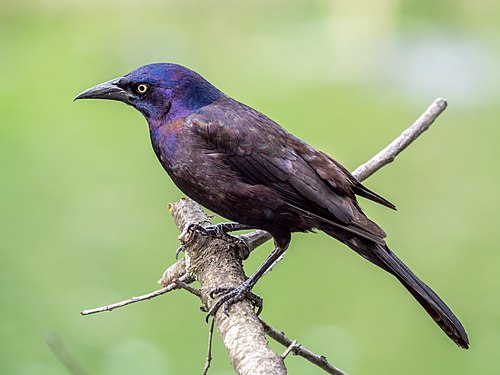
Common Grackle
Quiscalus quiscula
📅 Monthly Probability
☀️ When They're Spotted
Most active during daytime hours (6am–6pm) · across all parks (global)
Global Distribution
Where this species is recorded worldwide. Restricted to human observations from 2019 onwards — the same kind of record and the same period the probabilities on this page are built from, so collar-tracking studies, camera-trap arrays and museum specimens are excluded. Around Santa Rosa that removes 5,924 GPS fixes from a handful of tagged jaguars.
where this species is recorded (GBIF density — it tracks where observers go, not how likely a sighting is) · parks where it occurs — tap a pin for the sighting probability there
Parks Where Found
Quick answers
What are the chances of seeing a Rose-breasted Grosbeak in Big Cypress National Preserve?
About 0% of wildlife watchers report a Rose-breasted Grosbeak sighting in Big Cypress National Preserve, based on 9 days of visitor records from GBIF citizen-science data.
When is the best time to see Rose-breasted Grosbeak in Big Cypress National Preserve?
October has the highest sighting rate for Rose-breasted Grosbeak in Big Cypress National Preserve in our monthly data.