Arenal Volcano National Park
🇨🇷 Costa Rica
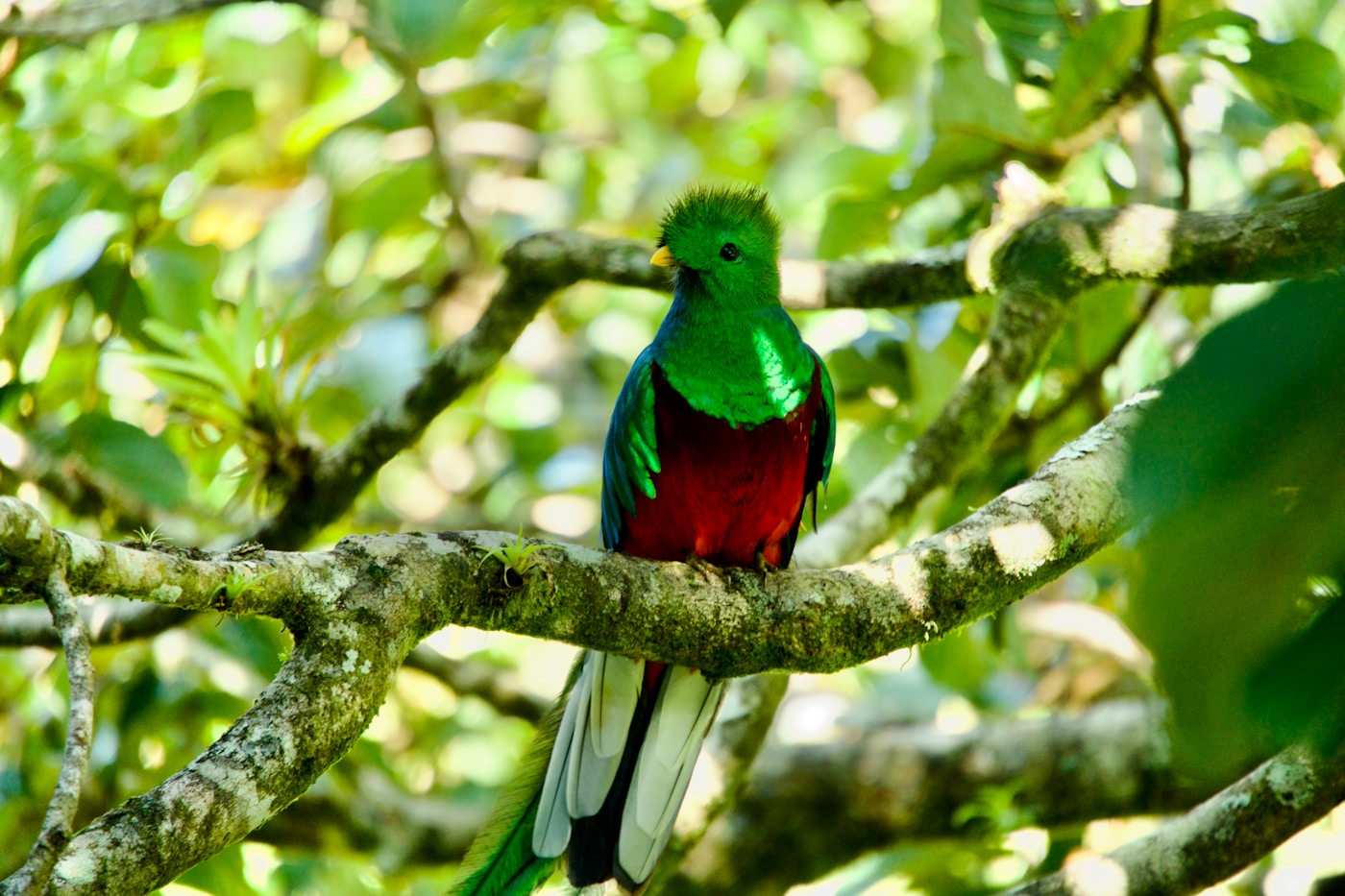
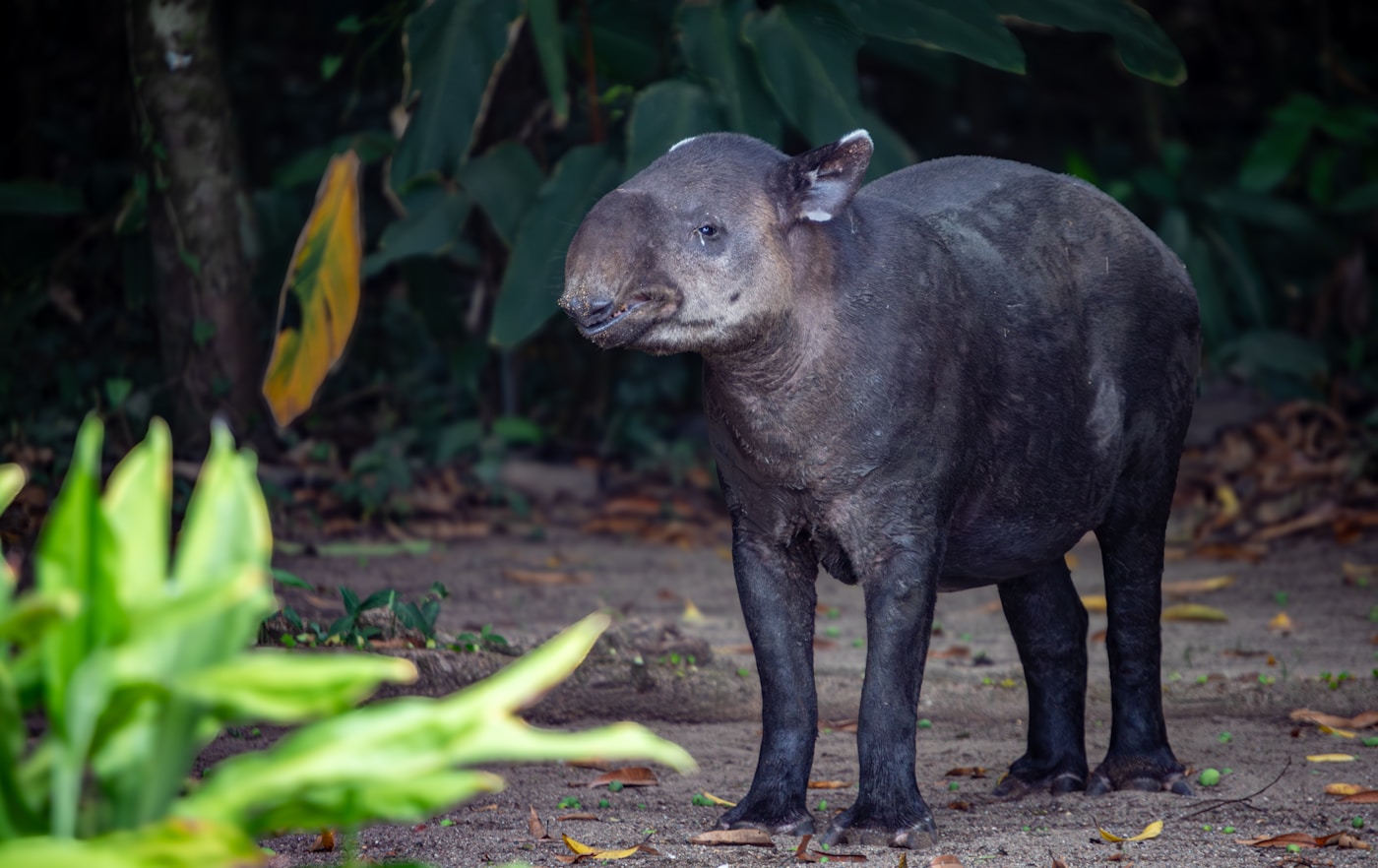
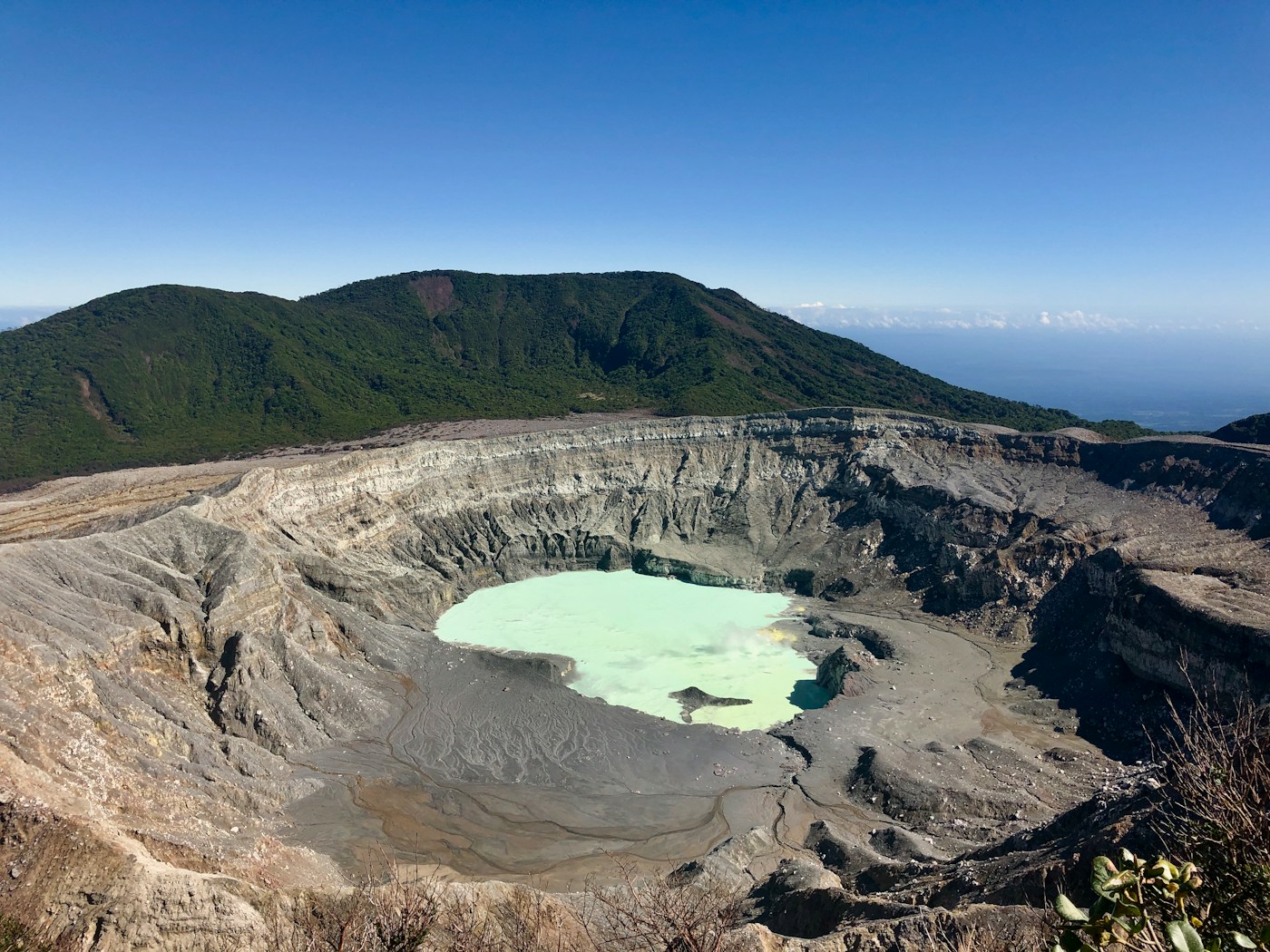
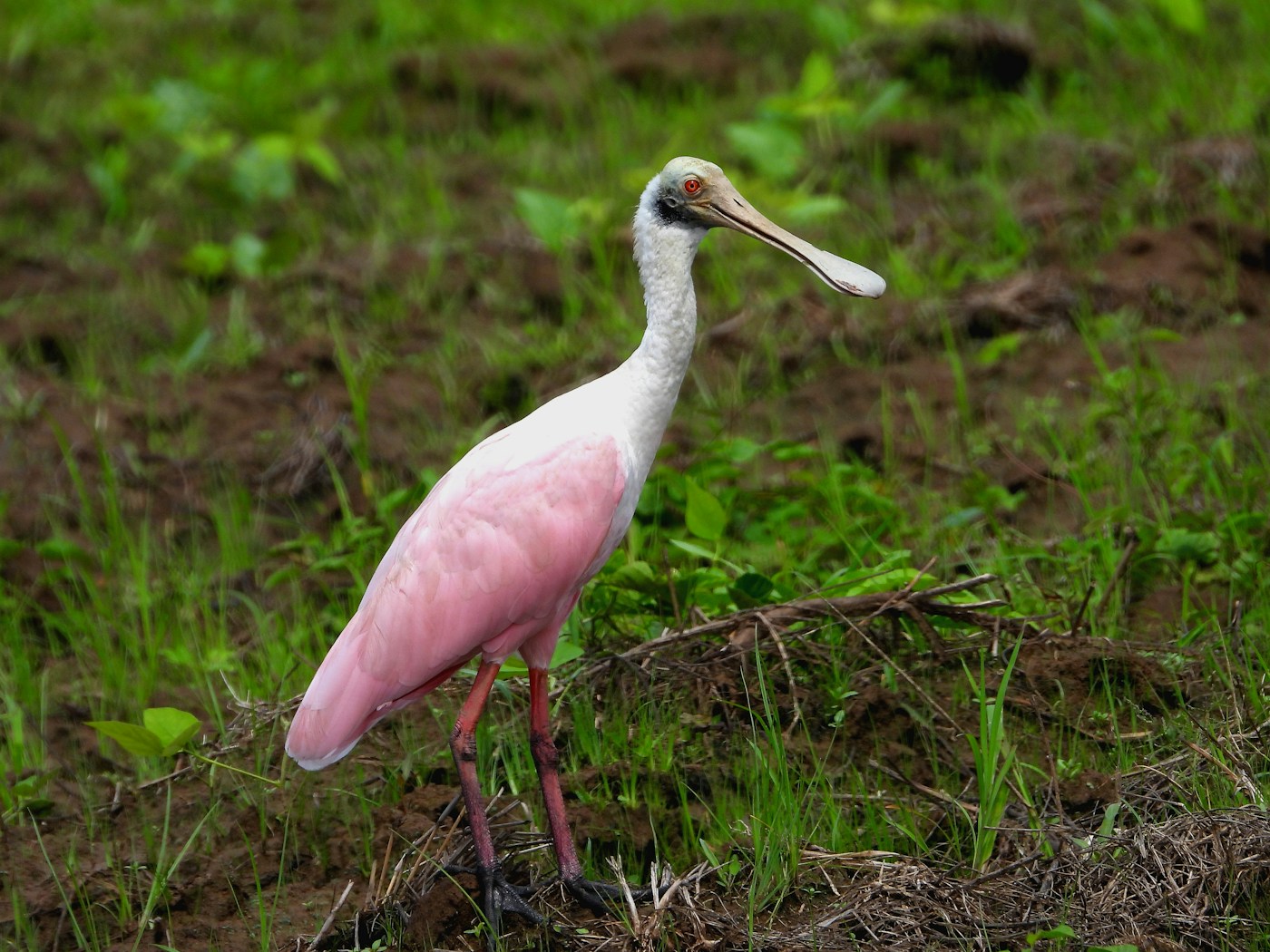
🦃 Costa Rica's Top Guan & Curassow ForestArenal Volcano is Costa Rica's most iconic volcano, a near-perfect cone rising 1,670 meters above Lake Arenal and surrounding rainforest. The park protects a transition zone between lowland rainforest and cloud forest, creating exceptional habitat diversity. Old lava flows host a remarkable succession of pioneer plants and wildlife, while the surrounding forests shelter toucans, howler monkeys, coatis, and over 500 bird species.
10.455° N 84.711° W
Wildlife
⭐ Iconic Species
 ★
★ Red-eyed Treefrog
Agalychnis callidryas
 ★
★ White-nosed Coati
Nasua narica
 ★
★ Brown-throated Sloth
Bradypus variegatus
 ★
★ Keel-billed Toucan
Ramphastos sulfuratus
📊 Most Spotted

Scarlet-rumped Tanager
Ramphocelus passerinii

Rufous-tailed Hummingbird
Amazilia tzacatl

Montezuma Oropendola
Psarocolius montezuma

Crested Guan
Penelope purpurascens

Clay-colored Thrush
Turdus grayi

Middle American Ameiva
Holcosus festivus

Great Kiskadee
Pitangus sulphuratus

Blue-gray Tanager
Thraupis episcopus

Bananaquit
Coereba flaveola

Black-mandibled Toucan
Ramphastos ambiguus

Palm Tanager
Thraupis palmarum

Great Curassow
Crax rubra
⭐ Iconic Species
📊 Most Spotted

Mantled Howler Monkey
Alouatta palliata

Variegated Squirrel
Sciurus variegatoides

Central American Agouti
Dasyprocta punctata

Central American Spider Monkey
Ateles geoffroyi

Collared Peccary
Pecari tajacu

Central American White-faced Capuchin
Cebus imitator

Northern Tamandua
Tamandua mexicana

Hoffmann's Two-toed Sloth
Choloepus hoffmanni

Gabb's Cottontail
Sylvilagus gabbi

Proboscis Bat
Rhynchonycteris naso

Tayra
Eira barbara

Red-tailed Squirrel
Sciurus granatensis
⭐ Iconic Species
📊 Most Spotted
Scarlet-rumped Tanager
Ramphocelus passerinii
Rufous-tailed Hummingbird
Amazilia tzacatl
Montezuma Oropendola
Psarocolius montezuma
Crested Guan
Penelope purpurascens
Clay-colored Thrush
Turdus grayi
Great Kiskadee
Pitangus sulphuratus
Blue-gray Tanager
Thraupis episcopus
Bananaquit
Coereba flaveola
Black-mandibled Toucan
Ramphastos ambiguus
Palm Tanager
Thraupis palmarum
Great Curassow
Crax rubra

Green Honeycreeper
Chlorophanes spiza
📊 Most Spotted
Middle American Ameiva
Holcosus festivus

Basiisk Verde
Basiliscus plumifrons

Mourning Gecko
Lepidodactylus lugubris

Border Anole
Anolis limifrons

Fer-de-lance
Bothrops asper

Decorated Anole
Anolis insignis
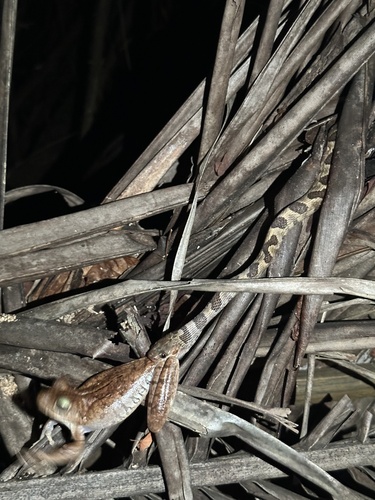
Ornate Cat-eyed Snake
Leptodeira ornata

Green Iguana
Iguana iguana

Cloudy Snail-eating Snake
Sibon nebulatus

Helmeted Iguana
Corytophanes cristatus

Neotropical Green Anole
Anolis biporcatus

Blunthead Tree Snake
Imantodes cenchoa
⭐ Iconic Species
📊 Most Spotted

Strawberry Poison-dart Frog
Oophaga pumilio

Warszewitsch's Frog
Lithobates warszewitschii

Masked Tree Frog
Smilisca phaeota

Giant Marine Toad
Rhinella horribilis

Harlequin Treefrog
Dendropsophus ebraccatus

Savage's Thin-toed Frog
Leptodactylus savagei

Mahogany Tree Frog
Tlalocohyla loquax

Emerald Glass Frog
Espadarana prosoblepon

Green and Black Dart-poison Frog
Dendrobates auratus

Fitzinger's Robber Frog
Craugastor fitzingeri

Wet Forest Toad
Incilius melanochlorus

Pygmy Rain Frog
Pristimantis ridens
Animal Events
Raptor Migration
Vast rivers of raptors funnel over the volcano as American Swallow-tailed Kites carve the sky on forked, black-and-white wings and thousands of Broad-winged Hawks spiral upward in swirling 'kettles.' The steady lift off Arenal's slopes makes it a front-row seat for one of the continent's great aerial migrations.


Frog Chorus & Night-Tour Season
When the rains swell the forest, Arenal's amphibians erupt into a nocturnal breeding chorus led by the neon-green Red-eyed Treefrog clinging to leaves above the ponds, the tiny crimson Strawberry Poison Dart Frog, and the delicate Harlequin Treefrog. Night tours turn a headlamp beam into a treasure hunt of jewel-bright frogs calling for mates.
Fruiting-Season Toucan & Aracari Activity
As forest trees heavy with fruit ripen, boisterous flocks of toucans and aracaris move in to feast, tossing berries down their throats with a flick of the head. Watch for the rainbow bill of the Keel-billed Toucan, the sleek Collared Aracari, and the deep-voiced Black-mandibled Toucan gathering in the canopy.

Sighting Calendar
Chance of spotting each species, month by month
Sighting Zones
Warm areas are where all species together are recorded most, so they track where people go as much as where animals are. For one species, see the map on its own page.
Where Wildlife Score
How good is this park for seeing wildlife?Biodiversity
ExcellentHow rich is the wildlife?
Sighting
ExcellentHow likely to see animals?
Quick answers
What animals can you see in Arenal Volcano National Park?
The most likely sightings are White-nosed Coati (seen by 80–90% of wildlife watchers), Scarlet-rumped Tanager (seen by 70–80% of wildlife watchers), Rufous-tailed Hummingbird (seen by 70–80% of wildlife watchers), Montezuma Oropendola (seen by 60–70% of wildlife watchers), Crested Guan (seen by 60–70% of wildlife watchers) — among 1298 recorded vertebrate species, based on citizen-science data from GBIF.
When is the best time to visit Arenal Volcano National Park for wildlife?
March has the highest combined sighting rate for the park's top species in our month-by-month GBIF data. The full sighting calendar on this page shows each species' best months.
Can you see Red-eyed Treefrog in Arenal Volcano National Park?
Yes — about 69% of wildlife watchers report a Red-eyed Treefrog sighting in Arenal Volcano National Park, based on 535 days of visitor records from GBIF citizen-science data.
Can you see White-nosed Coati in Arenal Volcano National Park?
Yes — about 82% of wildlife watchers report a White-nosed Coati sighting in Arenal Volcano National Park, based on 949 days of visitor records from GBIF citizen-science data.
Can you see Brown-throated Sloth in Arenal Volcano National Park?
Yes — about 38% of wildlife watchers report a Brown-throated Sloth sighting in Arenal Volcano National Park, based on 152 days of visitor records from GBIF citizen-science data.
Can you see Keel-billed Toucan in Arenal Volcano National Park?
Yes — about 41% of wildlife watchers report a Keel-billed Toucan sighting in Arenal Volcano National Park, based on 4,493 days of visitor records from GBIF citizen-science data.