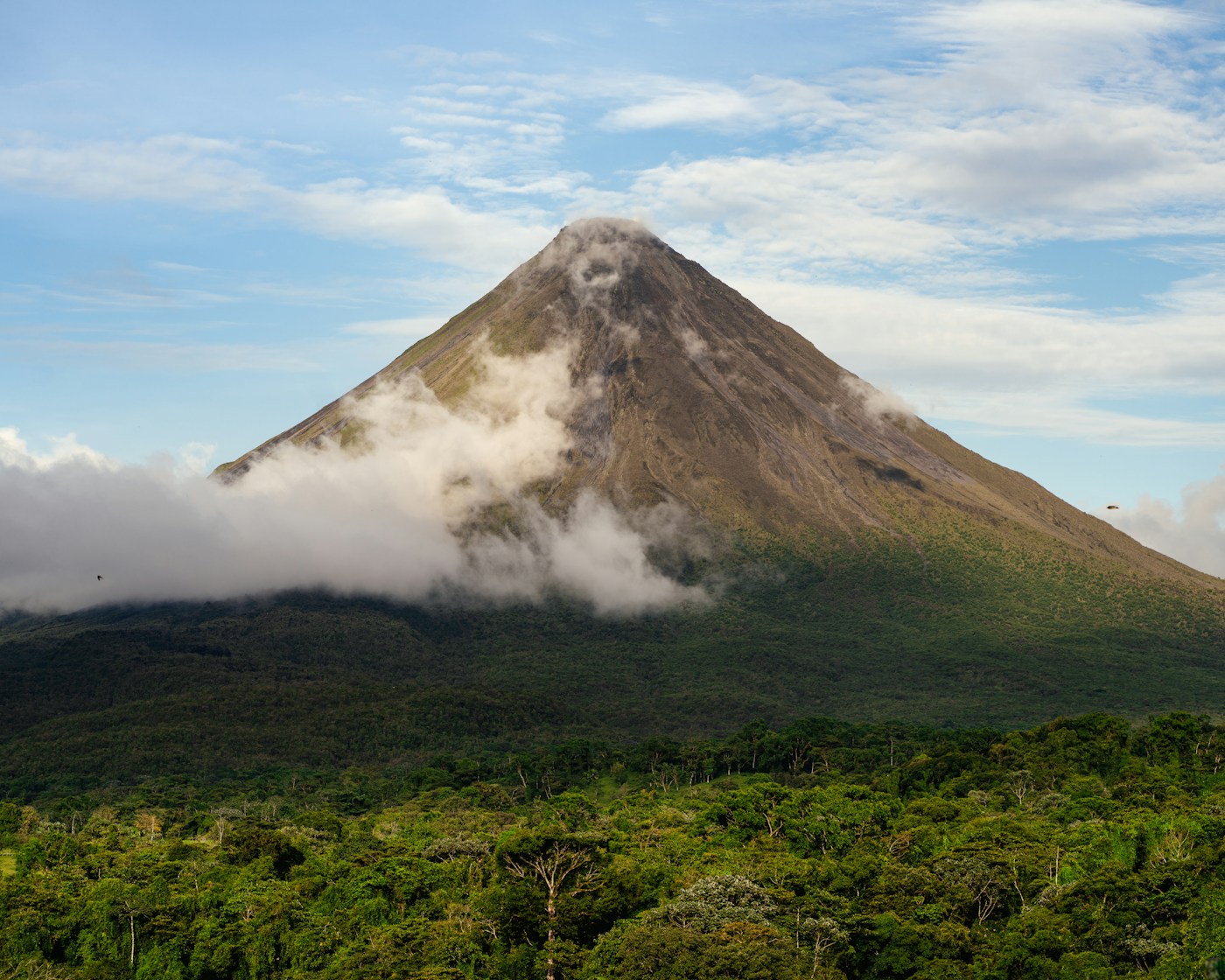
Poás Volcano National Park
🇨🇷 Costa Rica
🐦 Highland Hummingbird Cloud ForestPoás protects one of the world's most accessible active volcanic craters — a massive turquoise acid lake surrounded by dwarf cloud forest at 2,700 meters elevation. The park is a highland birding hotspot where Fiery-throated Hummingbirds, Volcano Hummingbirds, and the elusive Resplendent Quetzal inhabit moss-draped forests just minutes from the crater rim.
10.198° N 84.228° W
Wildlife
⭐ Iconic Species
 ★
★ Fiery-throated Hummingbird
Panterpe insignis
 ★
★ Volcano Hummingbird
Selasphorus flammula
 ★
★ Resplendent Quetzal
Pharomachrus mocinno
 ★
★ White-nosed Coati
Nasua narica
📊 Most Spotted

Sooty-capped Bush-Tanager
Chlorospingus pileatus

Slaty Flowerpiercer
Diglossa plumbea

Mountain Elaenia
Elaenia frantzii

Gray-breasted Wood-Wren
Henicorhina leucophrys

Rufous-collared Sparrow
Zonotrichia capensis

Black-and-yellow Phainoptila
Phainoptila melanoxantha

Mountain Thrush
Turdus plebejus

Wilson's Warbler
Cardellina pusilla

Yellow-thighed Finch
Atlapetes tibialis

Black-billed Nightingale-Thrush
Catharus gracilirostris

Sooty Thrush
Turdus nigrescens

Common Chlorospingus
Chlorospingus flavopectus
⭐ Iconic Species
📊 Most Spotted

Variegated Squirrel
Sciurus variegatoides

Red-tailed Squirrel
Sciurus granatensis

Hoffmann's Two-toed Sloth
Choloepus hoffmanni

Central American Spider Monkey
Ateles geoffroyi

Baird's Tapir
Tapirella bairdii

Jaguar
Panthera onca
⭐ Iconic Species
★ Fiery-throated Hummingbird
Panterpe insignis
★ Volcano Hummingbird
Selasphorus flammula
★ Resplendent Quetzal
Pharomachrus mocinno
📊 Most Spotted
Sooty-capped Bush-Tanager
Chlorospingus pileatus
Slaty Flowerpiercer
Diglossa plumbea
Mountain Elaenia
Elaenia frantzii
Gray-breasted Wood-Wren
Henicorhina leucophrys
Rufous-collared Sparrow
Zonotrichia capensis
Black-and-yellow Phainoptila
Phainoptila melanoxantha
Mountain Thrush
Turdus plebejus
Wilson's Warbler
Cardellina pusilla
Yellow-thighed Finch
Atlapetes tibialis
Black-billed Nightingale-Thrush
Catharus gracilirostris
Sooty Thrush
Turdus nigrescens
Common Chlorospingus
Chlorospingus flavopectus
📊 Most Spotted

Side-striped palm pit viper
Bothriechis lateralis

Stream Anole
Anolis oxylophus

Middle American Ameiva
Holcosus festivus

Slender Anole
Anolis woodi
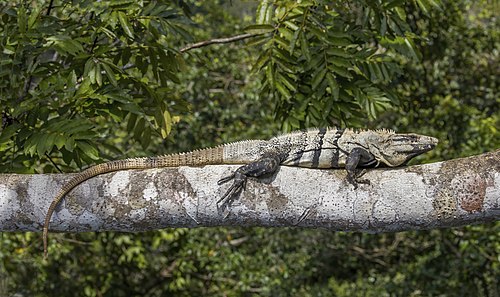
Black Spiny-tailed Iguana
Ctenosaura similis
📊 Most Spotted

Red-eyed Treefrog
Agalychnis callidryas

Golden-groined Robber Frog
Pristimantis cruentus
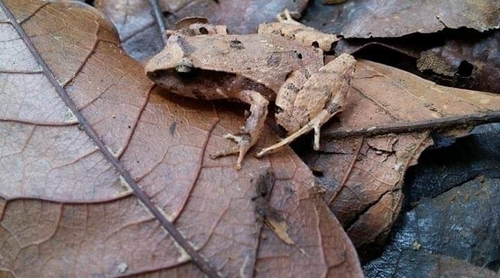
Cerro Utyum Robber Frog
Craugastor podiciferus

Common Worm Salamander
Oedipina uniformis

Green and Black Dart-poison Frog
Dendrobates auratus

Warszewitsch's Frog
Lithobates warszewitschii

Blue-sided Tree Frog
Agalychnis annae
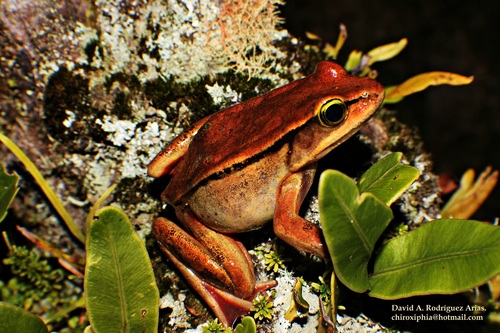
Rana Montanera
Lithobates vibicarius
Animal Events
Quetzal Breeding Season
During the breeding season the Resplendent Quetzal turns loud and conspicuous, the male trailing shimmering emerald tail plumes as he calls and courts through the montane cloud forest. It is the best window to catch this legendary bird perched, vocal, and tending its nest.
Highland Hummingbird Peak
High on the volcano's flanks, Fiery-throated and Volcano Hummingbirds swarm the summit bromeliads and feeders, jewel-bright specks buzzing through the cold mountain air. Watch them hover and dart between blossoms, iridescent throats flaring as they refuel at these chilly elevations.
Neotropical Migrant Season
North American warblers like Wilson's Warbler and Black-throated Green Warbler pour into the Poás highlands to spend the northern winter, flitting through the cloud-forest canopy alongside resident birds. Their arrival swells the mountain's diversity with flashes of yellow and restless, foliage-gleaning energy.

Sighting Calendar
Chance of spotting each species, month by month
Sighting Zones
Warm areas are where all species together are recorded most, so they track where people go as much as where animals are. For one species, see the map on its own page.
Where Wildlife Score
How good is this park for seeing wildlife?Biodiversity
ExcellentHow rich is the wildlife?
Sighting
GoodHow likely to see animals?
Quick answers
What animals can you see in Poás Volcano National Park?
The most likely sightings are Fiery-throated Hummingbird (seen by 70–80% of wildlife watchers), Sooty-capped Bush-Tanager (seen by 70–80% of wildlife watchers), Slaty Flowerpiercer (seen by 70–80% of wildlife watchers), Mountain Elaenia (seen by 60–70% of wildlife watchers), Gray-breasted Wood-Wren (seen by 60–70% of wildlife watchers) — among 1261 recorded vertebrate species, based on citizen-science data from GBIF.
When is the best time to visit Poás Volcano National Park for wildlife?
November has the highest combined sighting rate for the park's top species in our month-by-month GBIF data. The full sighting calendar on this page shows each species' best months.
Can you see Fiery-throated Hummingbird in Poás Volcano National Park?
Yes — about 75% of wildlife watchers report a Fiery-throated Hummingbird sighting in Poás Volcano National Park, based on 263 days of visitor records from GBIF citizen-science data.
Can you see Volcano Hummingbird in Poás Volcano National Park?
Yes — about 53% of wildlife watchers report a Volcano Hummingbird sighting in Poás Volcano National Park, based on 185 days of visitor records from GBIF citizen-science data.
Can you see Resplendent Quetzal in Poás Volcano National Park?
Yes — about 18% of wildlife watchers report a Resplendent Quetzal sighting in Poás Volcano National Park, based on 62 days of visitor records from GBIF citizen-science data.
Can you see White-nosed Coati in Poás Volcano National Park?
Yes — about 28% of wildlife watchers report a White-nosed Coati sighting in Poás Volcano National Park, based on 4 days of visitor records from GBIF citizen-science data.