Irazú Volcano National Park
🇨🇷 Costa Rica
🐦 Highland Hummingbirds & QuetzalsAt 3,432 meters, Irazú is Costa Rica's tallest active volcano — one of the few places on Earth where you can see both the Caribbean Sea and the Pacific Ocean on a clear day. Beyond the dramatic crater, the Prusia forest sector shelters endemic highland birds including the Volcano Junco and Volcano Hummingbird.
9.983° N 83.849° W
Wildlife
⭐ Iconic Species
 ★
★ Volcano Hummingbird
Selasphorus flammula
 ★
★ Volcano Junco
Junco vulcani
 ★
★ Fiery-throated Hummingbird
Panterpe insignis
 ★
★ Resplendent Quetzal
Pharomachrus mocinno
📊 Most Spotted

Sooty Thrush
Turdus nigrescens

Rufous-collared Sparrow
Zonotrichia capensis

Sooty-capped Bush-Tanager
Chlorospingus pileatus

Slaty Flowerpiercer
Diglossa plumbea

Acorn Woodpecker
Melanerpes formicivorus

Wilson's Warbler
Cardellina pusilla

Flame-throated Warbler
Oreothlypis gutturalis

Lesser Violetear
Colibri cyanotus

Band-tailed Pigeon
Patagioenas fasciata

Black-billed Nightingale-Thrush
Catharus gracilirostris
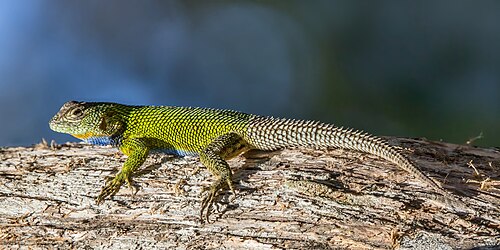
Emerald Swift
Sceloporus malachiticus

Large-footed Finch
Pezopetes capitalis
📊 Most Spotted

Variable Pocket Gopher
Orthogeomys heterodus

Mantled Howler Monkey
Alouatta palliata

Chiriqui Harvest Mouse
Reithrodontomys creper

Red-tailed Squirrel
Sciurus granatensis
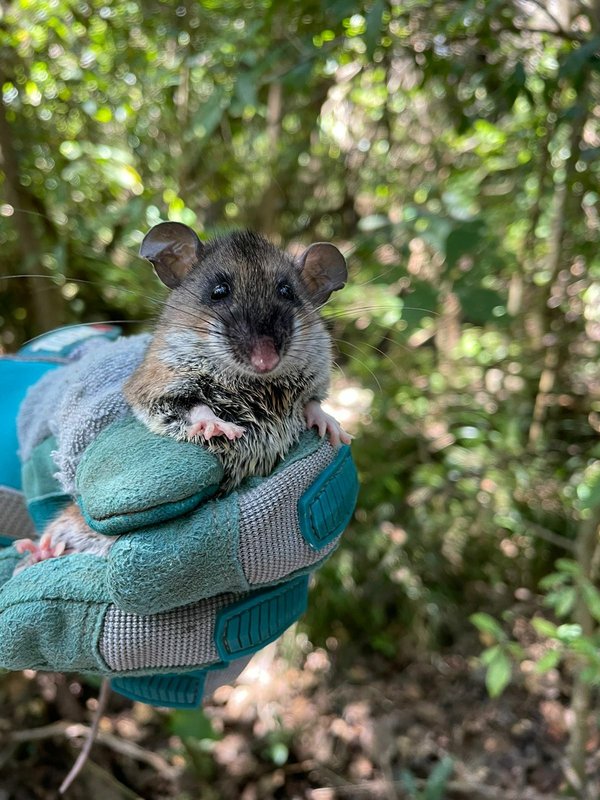
Talamancan Deermouse
Peromyscus nudipes
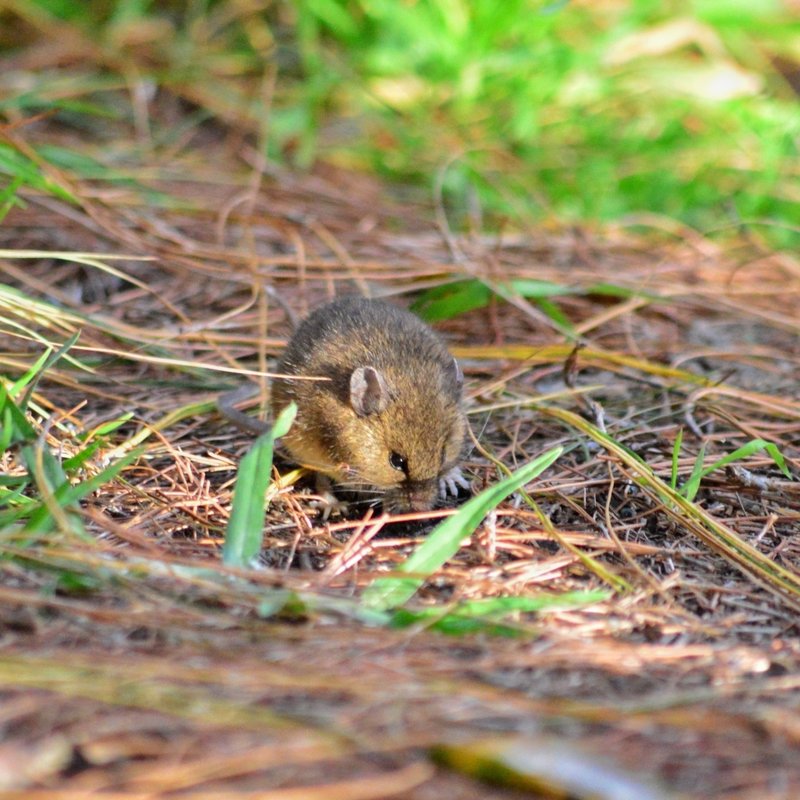
Rodriguez's harvest mouse
Reithrodontomys rodriguezi

Coyote
Canis latrans

Gray Fox
Urocyon cinereoargenteus

White-nosed Coati
Nasua narica
⭐ Iconic Species
★ Volcano Hummingbird
Selasphorus flammula
★ Volcano Junco
Junco vulcani
★ Fiery-throated Hummingbird
Panterpe insignis
★ Resplendent Quetzal
Pharomachrus mocinno
📊 Most Spotted
Sooty Thrush
Turdus nigrescens
Rufous-collared Sparrow
Zonotrichia capensis
Sooty-capped Bush-Tanager
Chlorospingus pileatus
Slaty Flowerpiercer
Diglossa plumbea
Acorn Woodpecker
Melanerpes formicivorus
Wilson's Warbler
Cardellina pusilla
Flame-throated Warbler
Oreothlypis gutturalis
Lesser Violetear
Colibri cyanotus
Band-tailed Pigeon
Patagioenas fasciata
Black-billed Nightingale-Thrush
Catharus gracilirostris
Large-footed Finch
Pezopetes capitalis

Mountain Elaenia
Elaenia frantzii


Animal Events
Resplendent Quetzal Breeding Season
During the breeding season the male Resplendent Quetzal grows shimmering emerald tail streamers that trail nearly a meter behind him, flashing through the cloud forest as pairs court and nest in old woodpecker cavities. Watch for them near fruiting wild avocado trees, their favorite food while raising young.
Highland Hummingbird Territory Season
As breeding gets underway, male Volcano and Fiery-throated Hummingbirds fiercely defend flowering slopes, chasing rivals in buzzing aerial duels and flaring their iridescent throats to dazzle. These tiny high-altitude jewels hover at paramo blooms right at the volcano's chilly edge.
Paramo Specialist Congregation
In the wind-scoured paramo above the tree line, Volcano Juncos and Timberline Wrens grow bold and vocal as they pair up and stake out breeding territories among the stunted shrubs. Both are highland specialists found almost nowhere else, hopping close to visitors on the open volcanic terrain.

Sighting Calendar
Chance of spotting each species, month by month
Sighting Zones
Warm areas are where all species together are recorded most, so they track where people go as much as where animals are. For one species, see the map on its own page.
Where Wildlife Score
How good is this park for seeing wildlife?Biodiversity
Very goodHow rich is the wildlife?
Sighting
GoodHow likely to see animals?
Quick answers
What animals can you see in Irazú Volcano National Park?
The most likely sightings are Sooty Thrush (seen by 90–100% of wildlife watchers), Volcano Hummingbird (seen by 90–100% of wildlife watchers), Rufous-collared Sparrow (seen by 80–90% of wildlife watchers), Sooty-capped Bush-Tanager (seen by 80–90% of wildlife watchers), Slaty Flowerpiercer (seen by 70–80% of wildlife watchers) — among 1075 recorded vertebrate species, based on citizen-science data from GBIF.
When is the best time to visit Irazú Volcano National Park for wildlife?
October has the highest combined sighting rate for the park's top species in our month-by-month GBIF data. The full sighting calendar on this page shows each species' best months.
Can you see Volcano Hummingbird in Irazú Volcano National Park?
Yes — about 90% of wildlife watchers report a Volcano Hummingbird sighting in Irazú Volcano National Park, based on 532 days of visitor records from GBIF citizen-science data.
Can you see Volcano Junco in Irazú Volcano National Park?
Yes — about 54% of wildlife watchers report a Volcano Junco sighting in Irazú Volcano National Park, based on 320 days of visitor records from GBIF citizen-science data.
Can you see Fiery-throated Hummingbird in Irazú Volcano National Park?
Yes — about 68% of wildlife watchers report a Fiery-throated Hummingbird sighting in Irazú Volcano National Park, based on 403 days of visitor records from GBIF citizen-science data.
Can you see Resplendent Quetzal in Irazú Volcano National Park?
Yes — about 45% of wildlife watchers report a Resplendent Quetzal sighting in Irazú Volcano National Park, based on 265 days of visitor records from GBIF citizen-science data.
Explore Other Parks
 📍 31 km 🐦 Hummingbird & Toucan Cloud Forest
 Braulio Carrillo National Park
 📍 35 km 🐦 Fiery-throated Hummingbirds in Rainy Highlands
 Tapantí-Macizo de la Muerte National Park
 📍 43 km 🐦 Quetzals and Talamanca Hummingbirds
 Los Quetzales National Park
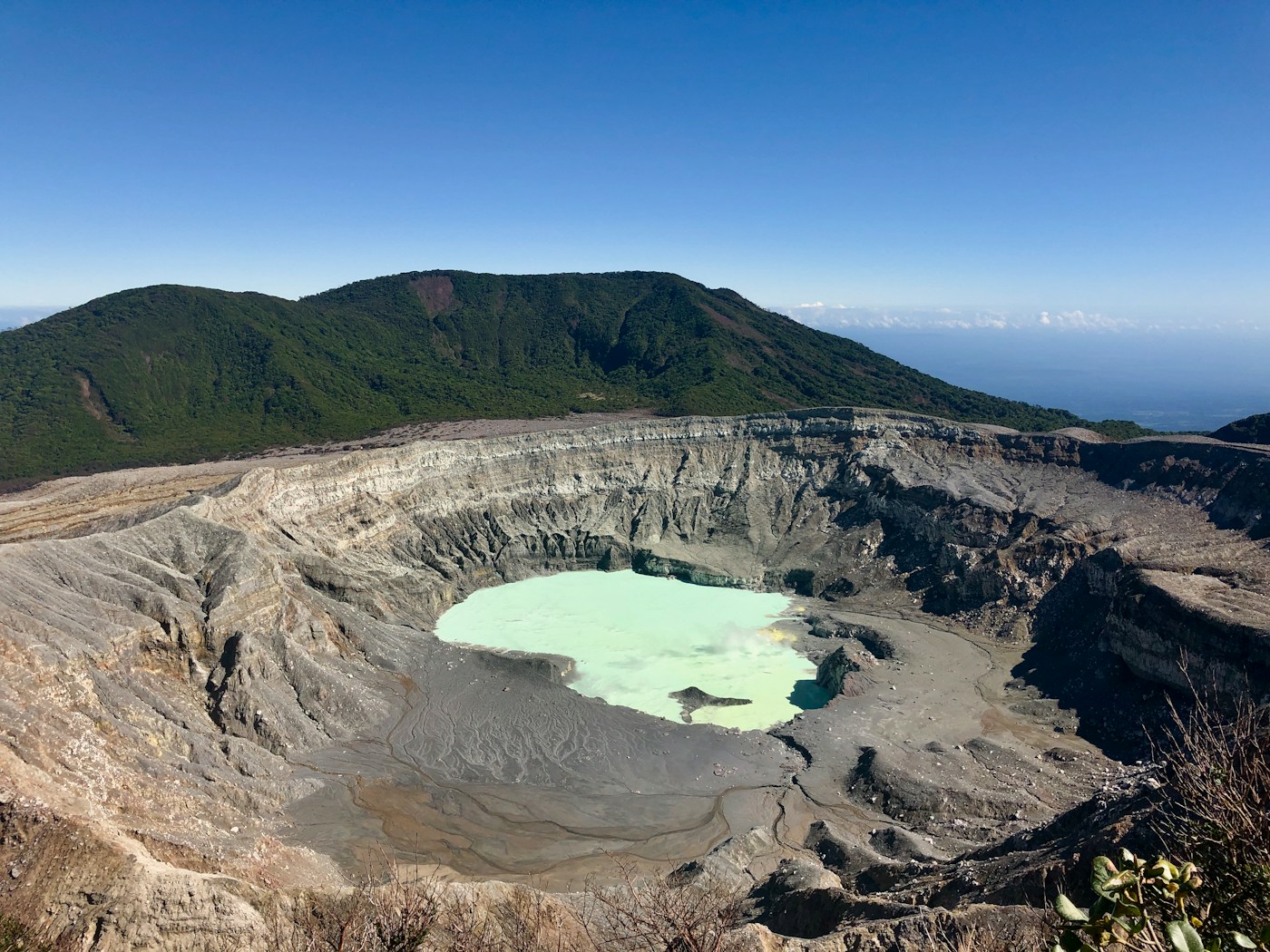 📍 48 km 🐦 Highland Hummingbird Cloud Forest