Palo Verde National Park
🇨🇷 Costa Rica
🐦 Jabiru Storks Over Flooded MarshesPalo Verde protects Central America's most important Pacific wetland — 18,000+ hectares of seasonal marshes, tropical dry forest, and mangroves where the Tempisque River floods a vast floodplain each rainy season. During the dry months (Dec–Apr), shrinking pools concentrate up to 250,000 waterbirds into a wildlife spectacle visible from lookout points and boat tours.
10.374° N 85.350° W
Wildlife
⭐ Iconic Species
 ★
★ Jabiru
Jabiru mycteria
 ★
★ Roseate Spoonbill
Platalea ajaja
 ★
★ Wood Stork
Mycteria americana
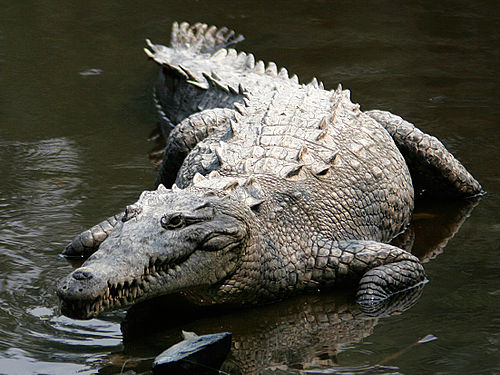 ★
★ American Crocodile
Crocodylus acutus
📊 Most Spotted
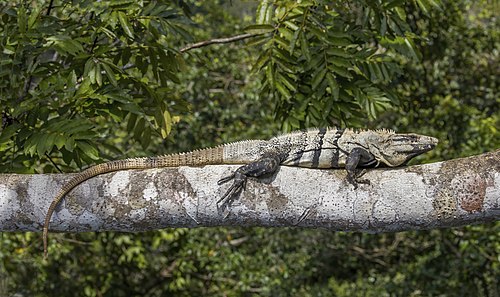
Black Spiny-tailed Iguana
Ctenosaura similis

Great Egret
Ardea alba

Central American White-faced Capuchin
Cebus imitator

White-nosed Coati
Nasua narica

Great Kiskadee
Pitangus sulphuratus

Bare-throated Tiger Heron
Tigrisoma mexicanum

Green Heron
Butorides virescens

Black-bellied Whistling-Duck
Dendrocygna autumnalis

Groove-billed Ani
Crotophaga sulcirostris

Northern Jacana
Jacana spinosa

Inca Dove
Columbina inca

Mantled Howler Monkey
Alouatta palliata
📊 Most Spotted
Central American White-faced Capuchin
Cebus imitator
White-nosed Coati
Nasua narica
Mantled Howler Monkey
Alouatta palliata

White-tailed Deer
Odocoileus virginianus

Proboscis Bat
Rhynchonycteris naso

Collared Peccary
Pecari tajacu

Variegated Squirrel
Sciurus variegatoides

Central American Agouti
Dasyprocta punctata

Northern Tamandua
Tamandua mexicana

Ocelot
Leopardus pardalis

Common Raccoon
Procyon lotor

Central American Spider Monkey
Ateles geoffroyi
⭐ Iconic Species
★ Jabiru
Jabiru mycteria
★ Roseate Spoonbill
Platalea ajaja
★ Wood Stork
Mycteria americana
📊 Most Spotted
Great Egret
Ardea alba
Great Kiskadee
Pitangus sulphuratus
Bare-throated Tiger Heron
Tigrisoma mexicanum
Green Heron
Butorides virescens
Black-bellied Whistling-Duck
Dendrocygna autumnalis
Groove-billed Ani
Crotophaga sulcirostris
Northern Jacana
Jacana spinosa
Inca Dove
Columbina inca

Black Vulture
Coragyps atratus

Tropical Kingbird
Tyrannus melancholicus

Little Blue Heron
Egretta caerulea

Cattle Egret
Bubulcus ibis
⭐ Iconic Species
📊 Most Spotted
Black Spiny-tailed Iguana
Ctenosaura similis

Green Iguana
Iguana iguana

White-throated Gecko
Gonatodes albogularis

Common Basilisk
Basiliscus basiliscus

Central American Lyresnake
Trimorphodon quadruplex

Rhombic Cat-eyed Snake
Leptodeira rhombifera

Common House Gecko
Hemidactylus frenatus

Central American Boa
Boa imperator

Copper Anole
Anolis cupreus

Cope's Snail Sucker
Sibon anthracops
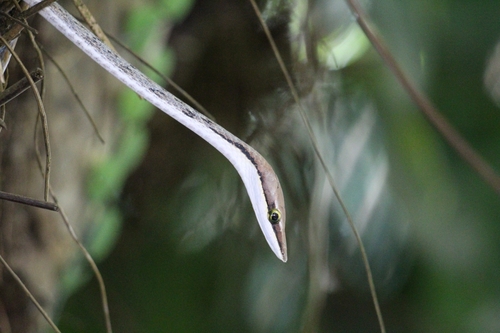
Köhler’s Vine Snake
Oxybelis koehleri

Mexican Parrot Snake
Leptophis mexicanus
📊 Most Spotted

Stauffer's Tree Frog
Scinax staufferi

Mexican Smilisca
Smilisca baudinii

Giant Marine Toad
Rhinella horribilis

Yellow Treefrog
Dendropsophus microcephalus
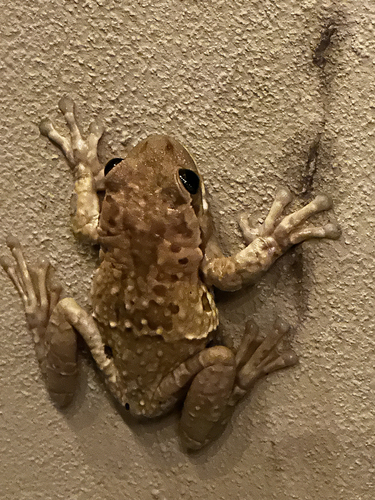
Milk Frog
Trachycephalus macrotis

Sheep Frog
Hypopachus variolosus

Yellow Toad
Incilius luetkenii

Guayaquil Dwarf Frog
Engystomops pustulosus

Mexican Burrowing Toad
Rhinophrynus dorsalis

Forrer's Grass Frog
Lithobates forreri

Mexican White-lipped Frog
Leptodactylus fragilis

Black Jungle-Frog
Leptodactylus melanonotus
Animal Events
Jabiru Nesting Season
The Jabiru, Central America's tallest stork, returns to the lower Tempisque basin to nest as shrinking wetlands concentrate its fish and reptile prey. Standing over head-high with a massive black bill and bare red throat, these giants build their bulky stick nests in the treetops.
Crocodile Basking Season
As the Tempisque River drops and its banks bake in the dry-season sun, American Crocodiles haul out to bask in dense numbers, forming Costa Rica's largest concentration of the species. Rows of these armored reptiles lie motionless along the mud, jaws agape to shed heat.
Waterbird Mega-Congregation
As the marshes shrink and their floodwaters draw down, tens of thousands of waterbirds crowd onto the last remaining pools in one of Central America's great aquatic bird gatherings. Wood Storks, Black-bellied Whistling-Ducks and rose-pink Roseate Spoonbills pack the mudflats shoulder to shoulder.
Sighting Calendar
Chance of spotting each species, month by month
Sighting Zones
Warm areas are where all species together are recorded most, so they track where people go as much as where animals are. For one species, see the map on its own page.
Where Wildlife Score
How good is this park for seeing wildlife?Biodiversity
ExcellentHow rich is the wildlife?
Sighting
ExcellentHow likely to see animals?
Quick answers
What animals can you see in Palo Verde National Park?
The most likely sightings are Black Spiny-tailed Iguana (seen by 80–90% of wildlife watchers), Great Egret (seen by 80–90% of wildlife watchers), Central American White-faced Capuchin (seen by 70–80% of wildlife watchers), White-nosed Coati (seen by 70–80% of wildlife watchers), Great Kiskadee (seen by 70–80% of wildlife watchers) — among 889 recorded vertebrate species, based on citizen-science data from GBIF.
When is the best time to visit Palo Verde National Park for wildlife?
September has the highest combined sighting rate for the park's top species in our month-by-month GBIF data. The full sighting calendar on this page shows each species' best months.
Can you see Jabiru in Palo Verde National Park?
Yes — about 36% of wildlife watchers report a Jabiru sighting in Palo Verde National Park, based on 438 days of visitor records from GBIF citizen-science data.
Can you see Roseate Spoonbill in Palo Verde National Park?
Yes — about 49% of wildlife watchers report a Roseate Spoonbill sighting in Palo Verde National Park, based on 587 days of visitor records from GBIF citizen-science data.
Can you see Wood Stork in Palo Verde National Park?
Yes — about 67% of wildlife watchers report a Wood Stork sighting in Palo Verde National Park, based on 804 days of visitor records from GBIF citizen-science data.
Can you see American Crocodile in Palo Verde National Park?
Yes — about 73% of wildlife watchers report a American Crocodile sighting in Palo Verde National Park, based on 146 days of visitor records from GBIF citizen-science data.
Explore Other Parks
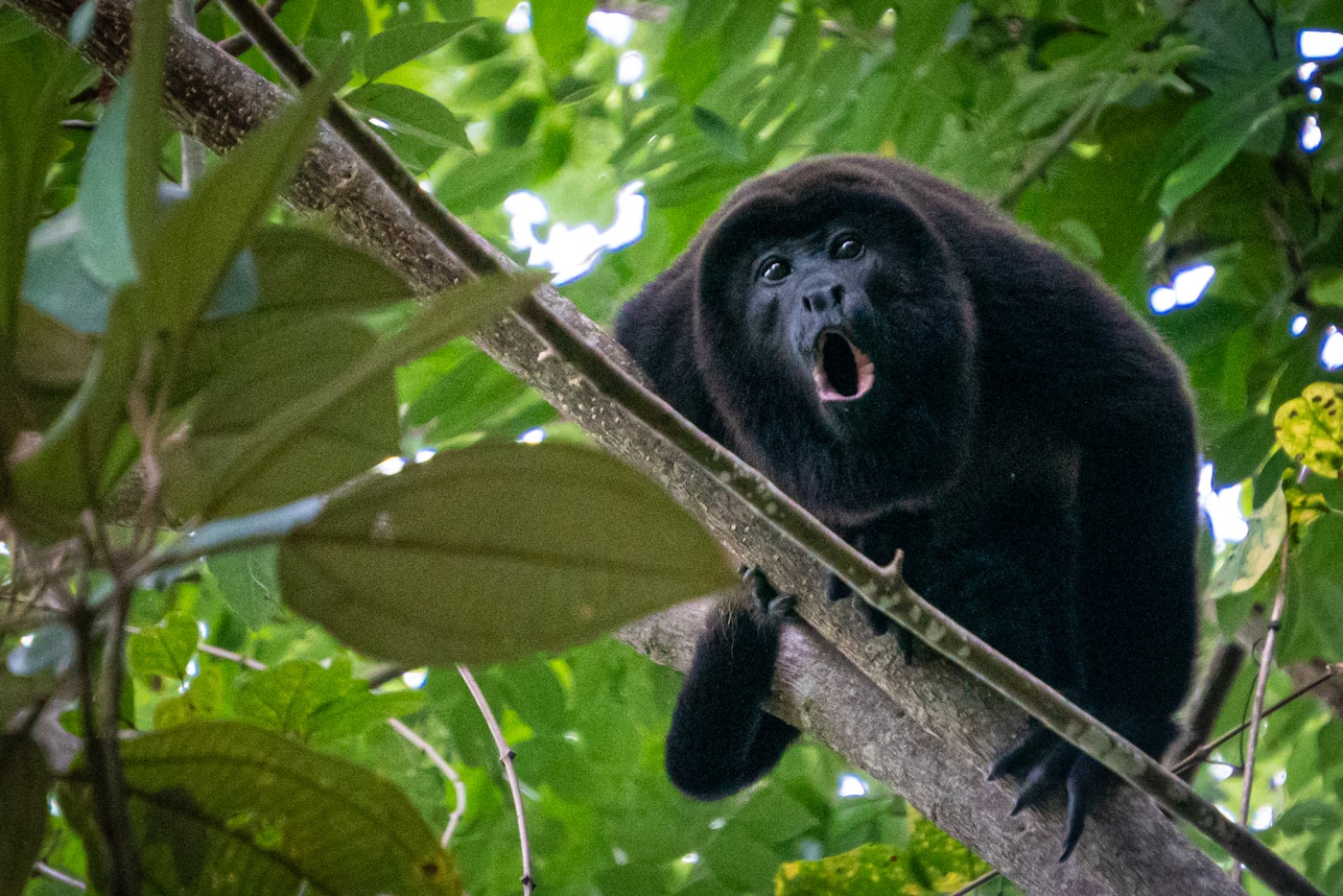 📍 49 km 🦎 Black Spiny-tailed Iguana Volcanic Trails
 Rincón de la Vieja National Park
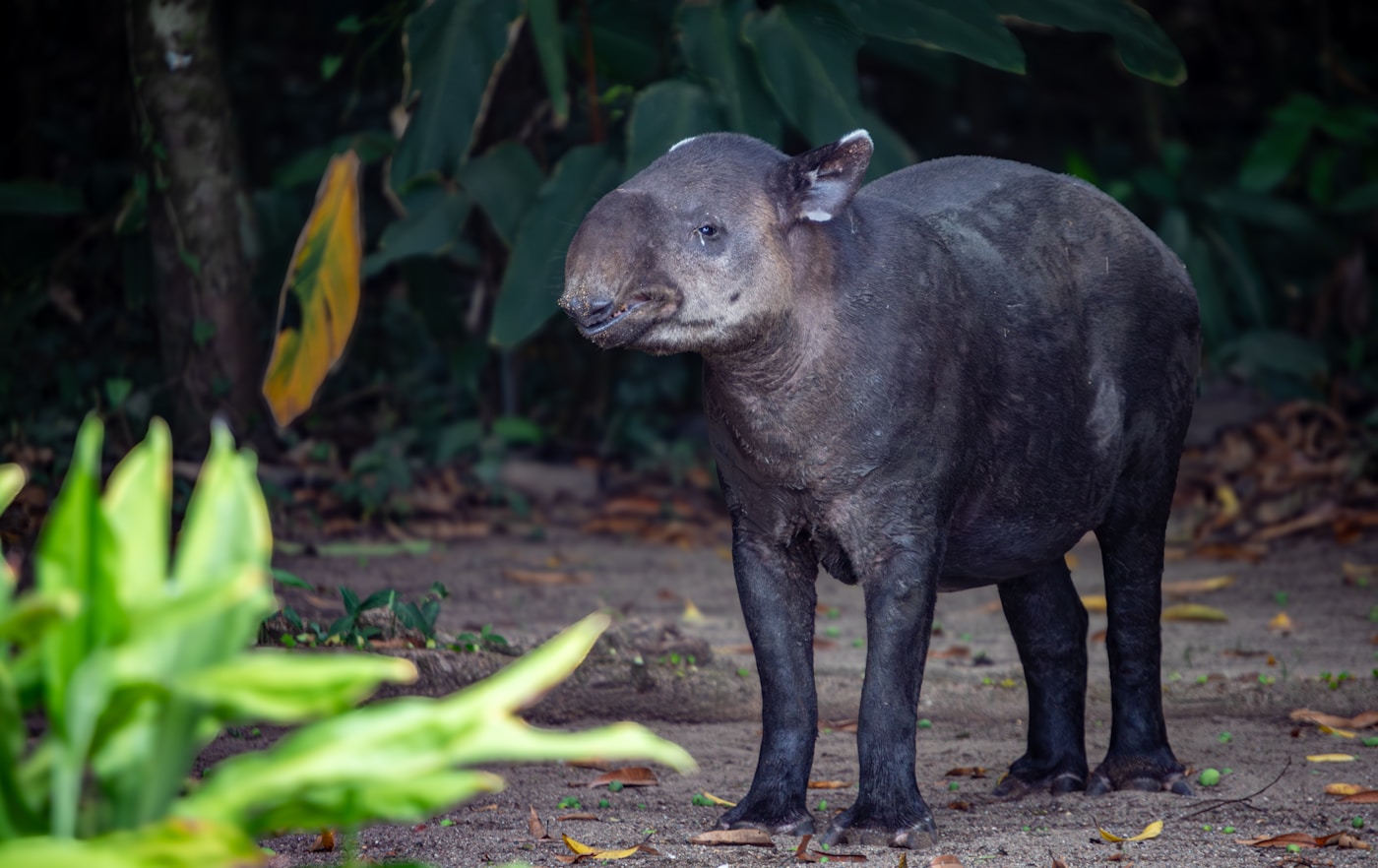 📍 50 km 🐦 Costa Rica's Top Toucan Forest
 Tenorio Volcano National Park
 📍 57 km 🐢 Pacific Ridley Arribada at Ostional
 Ostional Wildlife Refuge
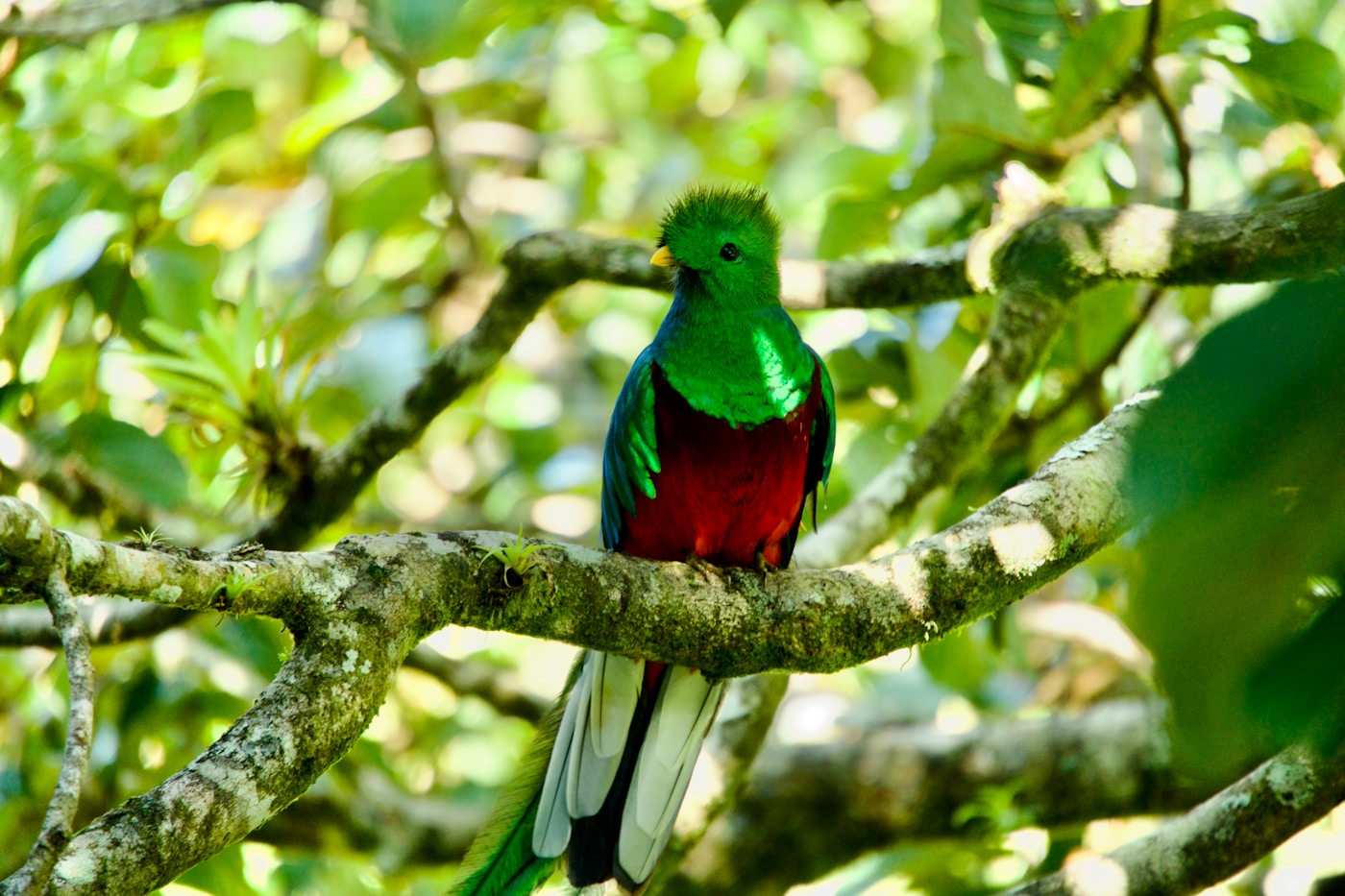 📍 61 km 🐦 Quetzals and Bellbirds in the Clouds