Tenorio Volcano National Park
🇨🇷 Costa Rica
🐦 Costa Rica's Top Toucan ForestTenorio Volcano National Park protects 12,867 hectares of pristine cloud forest and rainforest on the slopes of Volcán Tenorio, home to the legendary Río Celeste — a river that turns an impossible shade of turquoise blue where volcanic minerals meet the water. The park harbors one of Costa Rica's most important populations of Baird's tapir, alongside jaguars, pumas, three species of monkeys, and over 300 bird species including the rare bare-necked umbrellabird and tody motmot.
10.679° N 85.015° W
Wildlife
⭐ Iconic Species
 ★
★ Baird's Tapir
Tapirella bairdii
 ★
★ Red-eyed Treefrog
Agalychnis callidryas
 ★
★ Strawberry Poison-dart Frog
Oophaga pumilio
 ★
★ Mantled Howler Monkey
Alouatta palliata
📊 Most Spotted

Clay-colored Thrush
Turdus grayi

Rufous-tailed Hummingbird
Amazilia tzacatl

Middle American Ameiva
Holcosus festivus

Black-mandibled Toucan
Ramphastos ambiguus

Scarlet-rumped Tanager
Ramphocelus passerinii

Great Kiskadee
Pitangus sulphuratus

White-nosed Coati
Nasua narica

Yellow-throated Euphonia
Euphonia hirundinacea

Blue-gray Tanager
Thraupis episcopus

Keel-billed Toucan
Ramphastos sulfuratus

Central American White-faced Capuchin
Cebus imitator

Warszewitsch's Frog
Lithobates warszewitschii
⭐ Iconic Species
📊 Most Spotted
White-nosed Coati
Nasua narica
Central American White-faced Capuchin
Cebus imitator

Brown-throated Sloth
Bradypus variegatus

Variegated Squirrel
Sciurus variegatoides

Hoffmann's Two-toed Sloth
Choloepus hoffmanni

Deppe's Squirrel
Sciurus deppei

Gabb's Cottontail
Sylvilagus gabbi

Central American Dwarf Squirrel
Microsciurus alfari

Northern Tamandua
Tamandua mexicana
Armored Rat
Hoplomys gymnurus

Kinkajou
Potos flavus

Proboscis Bat
Rhynchonycteris naso
📊 Most Spotted
Clay-colored Thrush
Turdus grayi
Rufous-tailed Hummingbird
Amazilia tzacatl
Black-mandibled Toucan
Ramphastos ambiguus
Scarlet-rumped Tanager
Ramphocelus passerinii
Great Kiskadee
Pitangus sulphuratus
Yellow-throated Euphonia
Euphonia hirundinacea
Blue-gray Tanager
Thraupis episcopus
Keel-billed Toucan
Ramphastos sulfuratus

Carmiol's Tanager
Chlorothraupis carmioli

Turkey Vulture
Cathartes aura

Common Tody-Flycatcher
Todirostrum cinereum

Montezuma Oropendola
Psarocolius montezuma
📊 Most Spotted
Middle American Ameiva
Holcosus festivus

Cope's Vine Snake
Oxybelis brevirostris

Border Anole
Anolis limifrons

Fer-de-lance
Bothrops asper

Helmeted Iguana
Corytophanes cristatus

Humble Anole
Anolis humilis

Spotted Least Gecko
Sphaerodactylus millepunctatus

Basiisk Verde
Basiliscus plumifrons

Rainforest Hog-nosed Viper
Porthidium nasutum

Yellow-spotted Night Lizard
Lepidophyma flavimaculatum

Common House Gecko
Hemidactylus frenatus

Stream Anole
Anolis oxylophus
⭐ Iconic Species
📊 Most Spotted
Warszewitsch's Frog
Lithobates warszewitschii

Masked Tree Frog
Smilisca phaeota

Giant Marine Toad
Rhinella horribilis

Pygmy Rain Frog
Pristimantis ridens

Harlequin Treefrog
Dendropsophus ebraccatus

Fitzinger's Robber Frog
Craugastor fitzingeri

Sipurio Snouted Treefrog
Scinax elaeochroa

Red-webbed Tree Frog
Boana rufitela

Vaillant's Frog
Lithobates vaillanti

Atlantic Broad-headed Litter Frog
Craugastor megacephalus

Eastern Masked Tree Frog
Smilisca manisorum

Wet Forest Toad
Incilius melanochlorus
Animal Events
Howler Monkey Dawn Chorus
Before first light, troops of Mantled Howler Monkeys unleash guttural territorial roars that swell into a rolling chorus across the canopy — a low, throaty rumble that carries for over a kilometer through the rainforest. It is one of the loudest sounds any land animal makes, and it happens year-round.
Baird's Tapir Activity Peak
Central America's largest land mammal, the elusive Baird's Tapir, grows most active through the wetter months, when it forages along muddy forest trails and lingers near streams and water sources. Patient hikers have their best chance of glimpsing this shy, prehistoric-looking browser slipping through the undergrowth.
Rainy-Season Frog Chorus
When the wet season floods the forest floor and swells the streams, treefrogs and dart frogs erupt into breeding congregations after dark. Emerald Red-eyed Treefrogs cling to leaves above rain pools, tiny crimson Strawberry Poison-dart Frogs call from the leaf litter, and Warszewitsch's Frogs gather along the running streams to breed.
Sighting Calendar
Chance of spotting each species, month by month
Sighting Zones
Warm areas are where all species together are recorded most, so they track where people go as much as where animals are. For one species, see the map on its own page.
Where Wildlife Score
How good is this park for seeing wildlife?Biodiversity
Very goodHow rich is the wildlife?
Sighting
ExcellentHow likely to see animals?
Quick answers
What animals can you see in Tenorio Volcano National Park?
The most likely sightings are Clay-colored Thrush (seen by 70–80% of wildlife watchers), Rufous-tailed Hummingbird (seen by 70–80% of wildlife watchers), Middle American Ameiva (seen by 70–80% of wildlife watchers), Black-mandibled Toucan (seen by 60–70% of wildlife watchers), Red-eyed Treefrog (seen by 60–70% of wildlife watchers) — among 1135 recorded vertebrate species, based on citizen-science data from GBIF.
When is the best time to visit Tenorio Volcano National Park for wildlife?
August has the highest combined sighting rate for the park's top species in our month-by-month GBIF data. The full sighting calendar on this page shows each species' best months.
Can you see Baird's Tapir in Tenorio Volcano National Park?
Yes — about 46% of wildlife watchers report a Baird's Tapir sighting in Tenorio Volcano National Park, based on 47 days of visitor records from GBIF citizen-science data.
Can you see Red-eyed Treefrog in Tenorio Volcano National Park?
Yes — about 67% of wildlife watchers report a Red-eyed Treefrog sighting in Tenorio Volcano National Park, based on 111 days of visitor records from GBIF citizen-science data.
Can you see Strawberry Poison-dart Frog in Tenorio Volcano National Park?
Yes — about 44% of wildlife watchers report a Strawberry Poison-dart Frog sighting in Tenorio Volcano National Park, based on 43 days of visitor records from GBIF citizen-science data.
Can you see Mantled Howler Monkey in Tenorio Volcano National Park?
Yes — about 35% of wildlife watchers report a Mantled Howler Monkey sighting in Tenorio Volcano National Park, based on 28 days of visitor records from GBIF citizen-science data.
Explore Other Parks
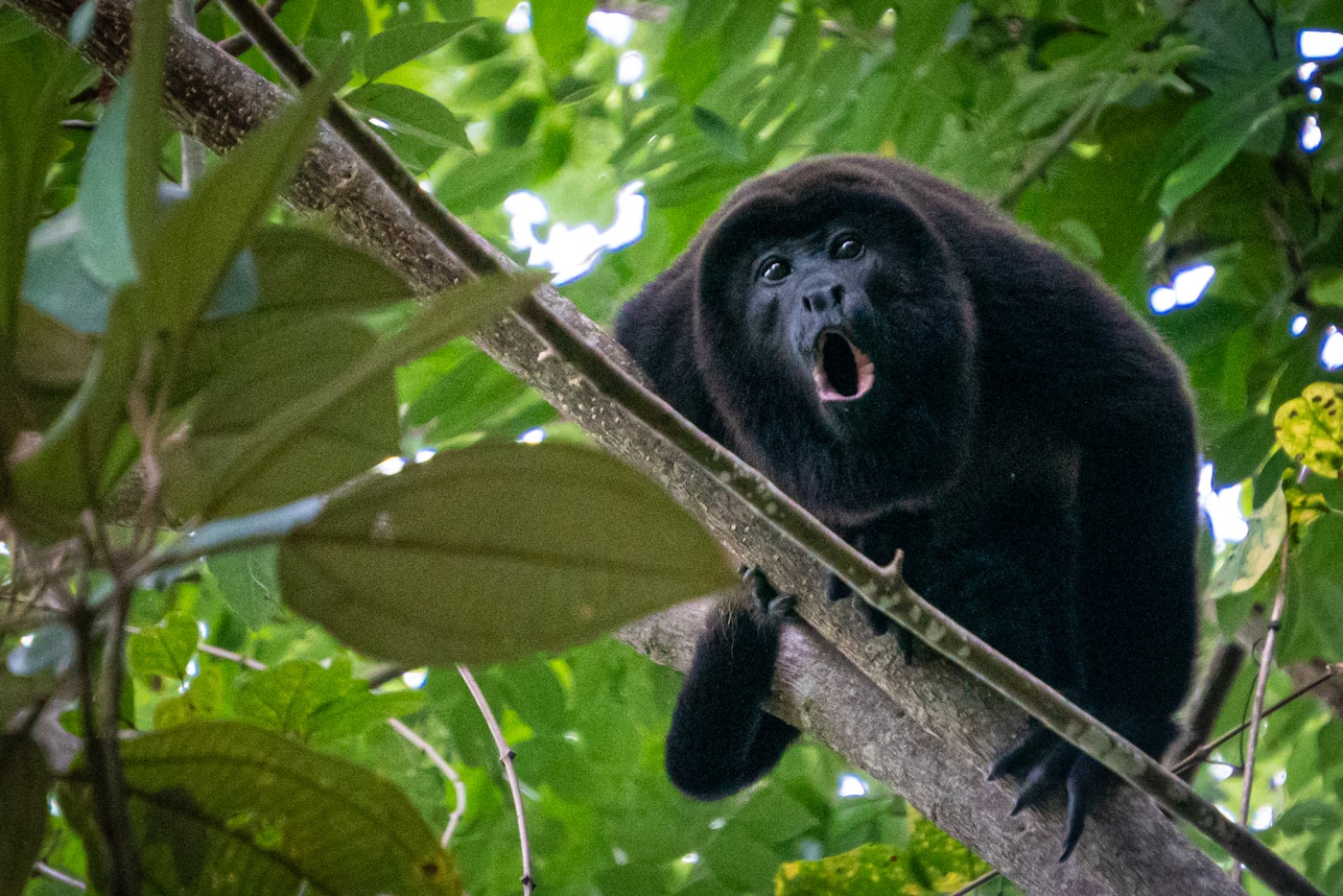 📍 35 km 🦎 Black Spiny-tailed Iguana Volcanic Trails
 Rincón de la Vieja National Park
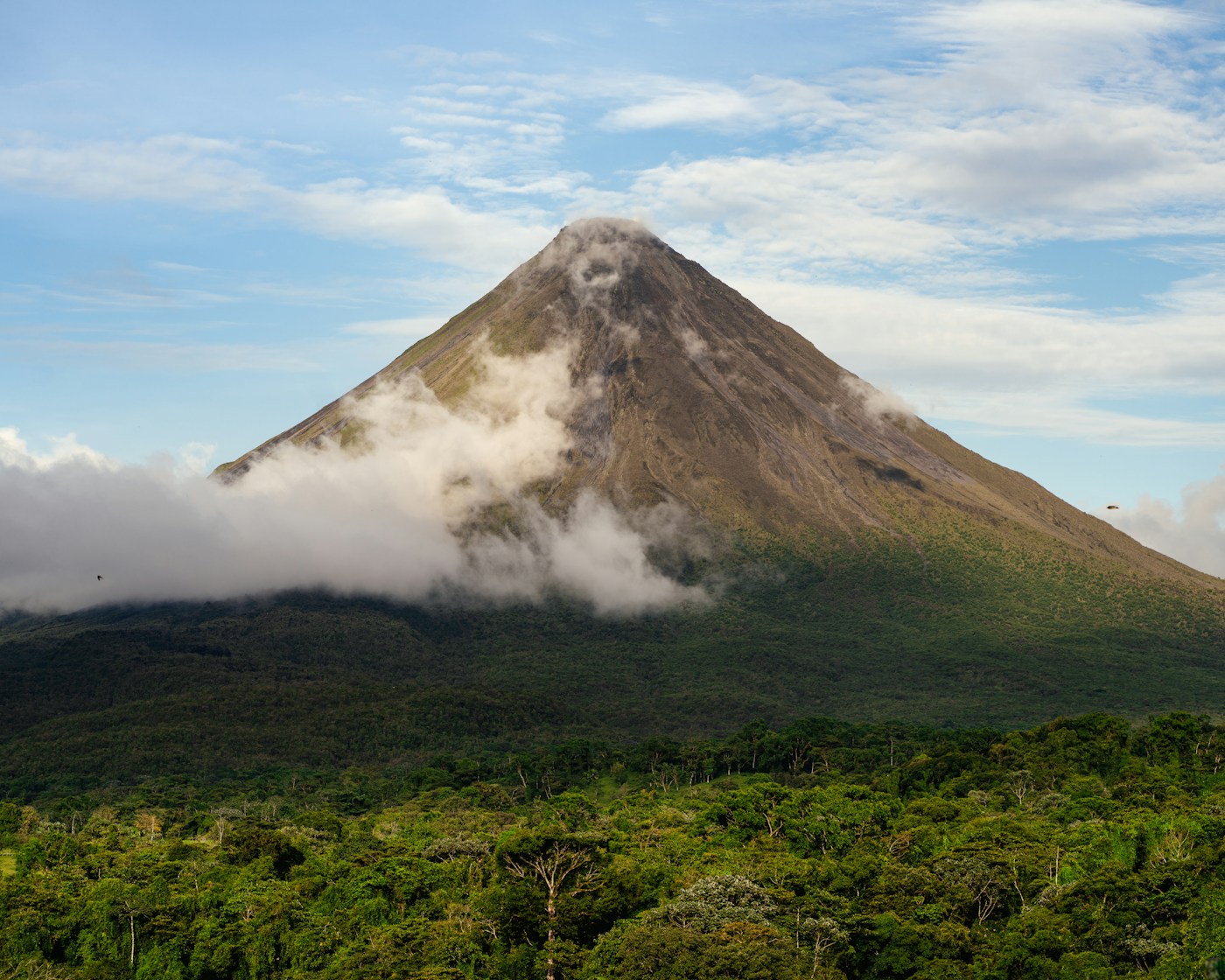 📍 42 km 🦃 Costa Rica's Top Guan & Curassow Forest
 Arenal Volcano National Park
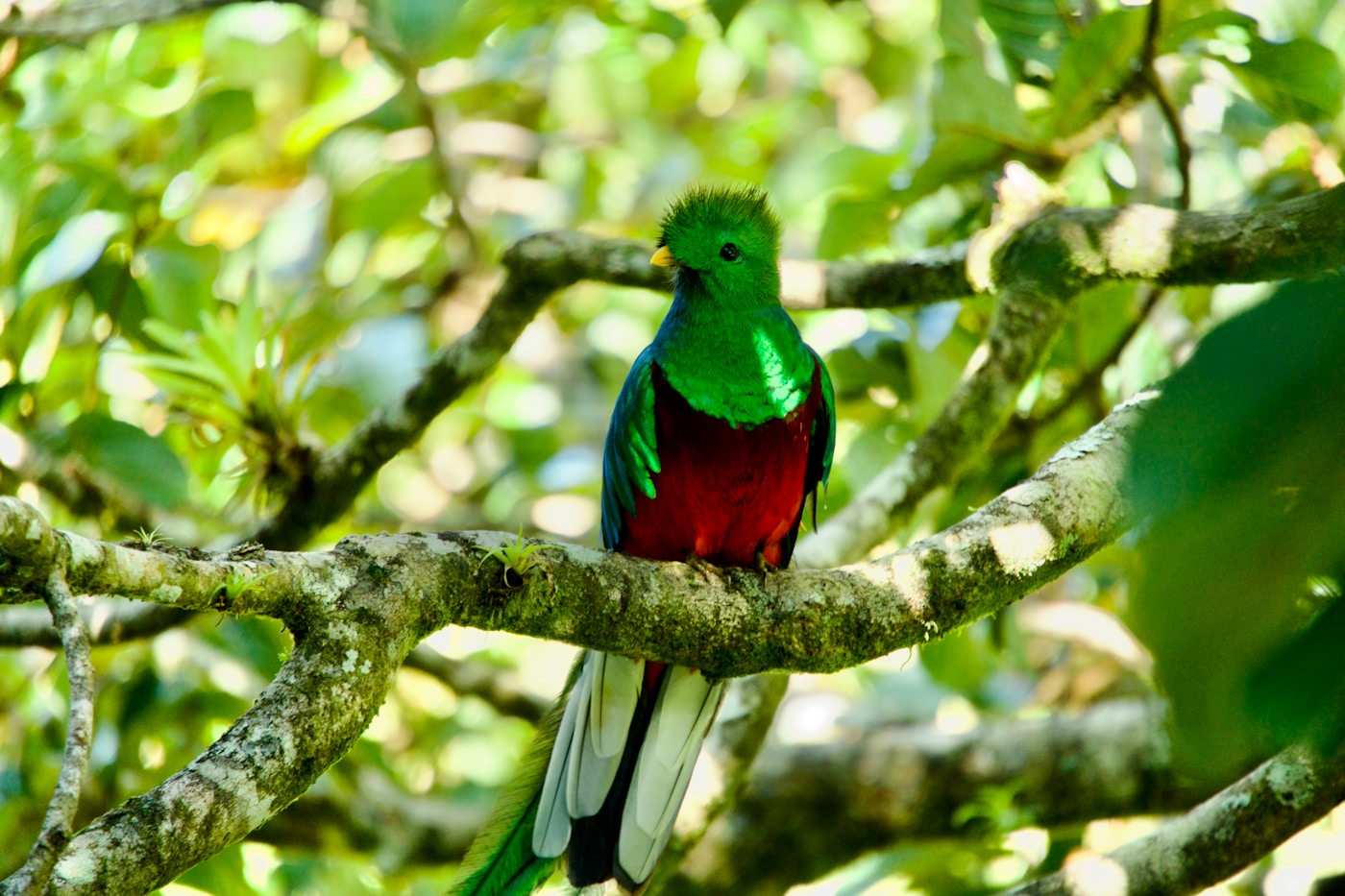 📍 48 km 🐦 Quetzals and Bellbirds in the Clouds
 Monteverde Cloud Forest Reserve
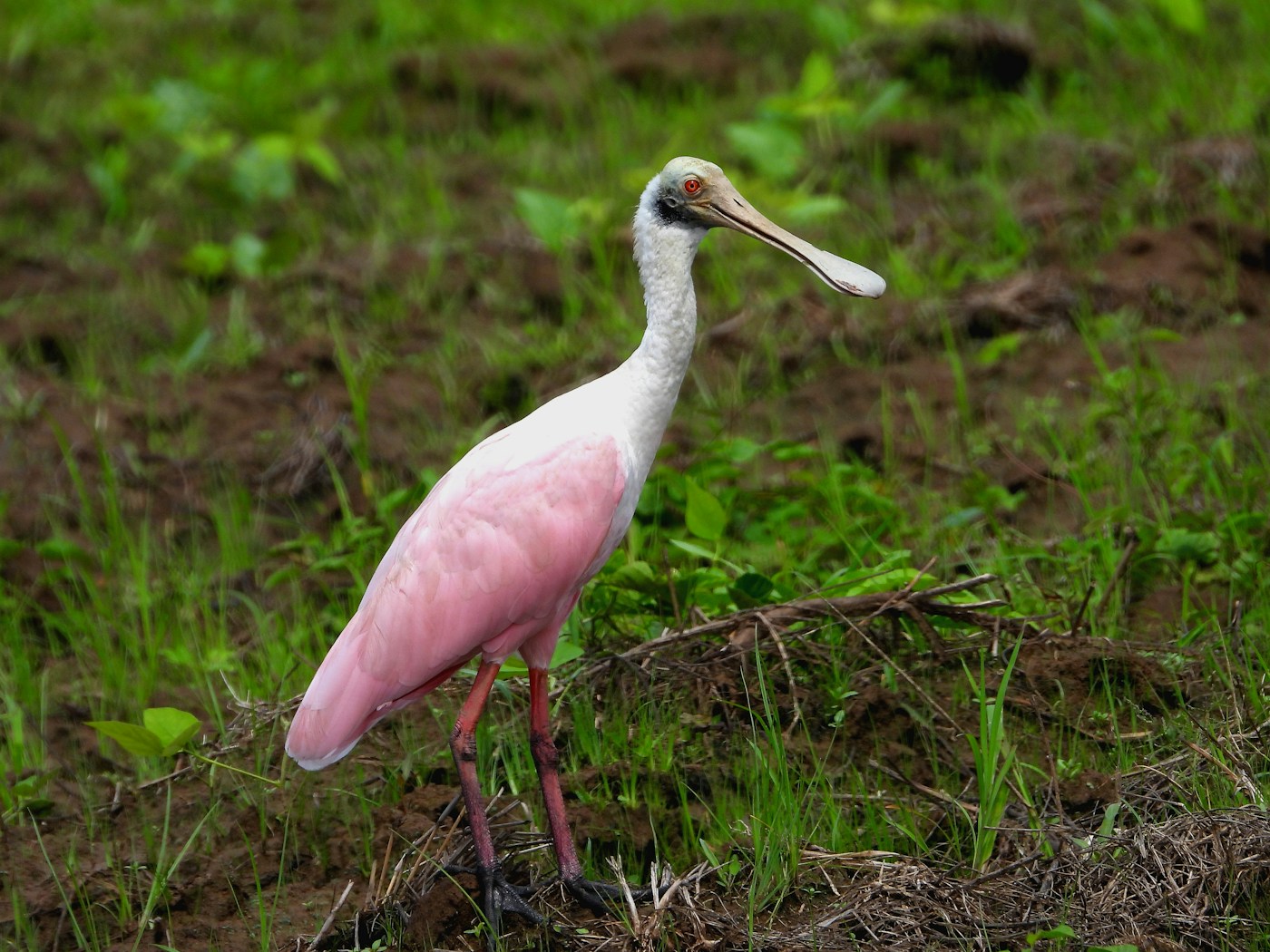 📍 50 km 🐦 Jabiru Storks Over Flooded Marshes