Santa Rosa National Park
🇨🇷 Costa Rica
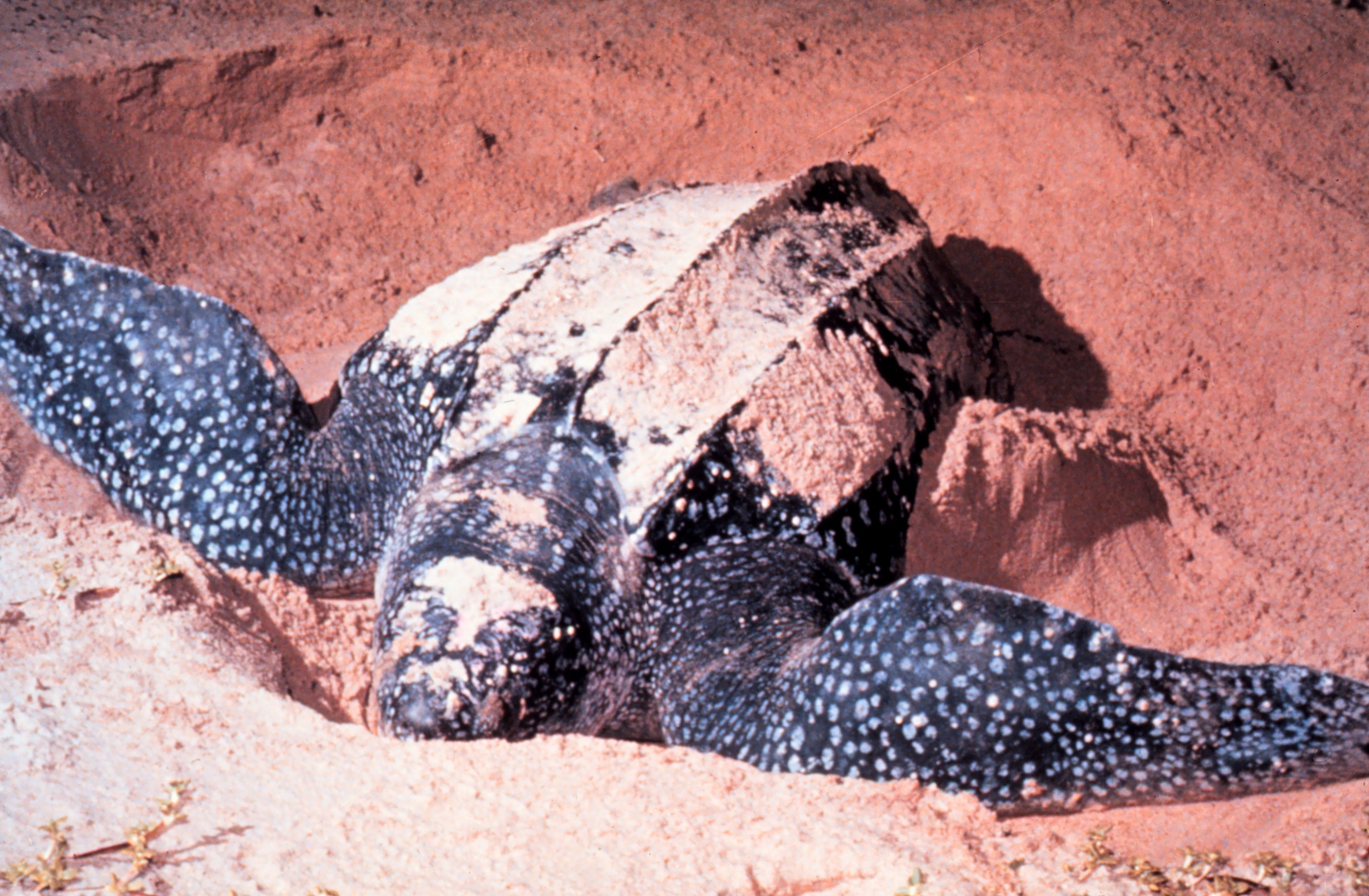
🐢 Olive Ridley ArribadaSanta Rosa protects the largest remaining tropical dry forest in Central America — a unique ecosystem where trees shed their leaves in the dry season, creating open canopy conditions ideal for wildlife spotting. The park is home to olive ridley sea turtle mass nestings (arribadas) at Playa Nancite, one of the most important nesting sites in the world.
10.853° N 85.672° W
Wildlife
⭐ Iconic Species
 ★
★ Pacific Ridley
Lepidochelys olivacea
 ★
★ Central American White-faced Capuchin
Cebus imitator
 ★
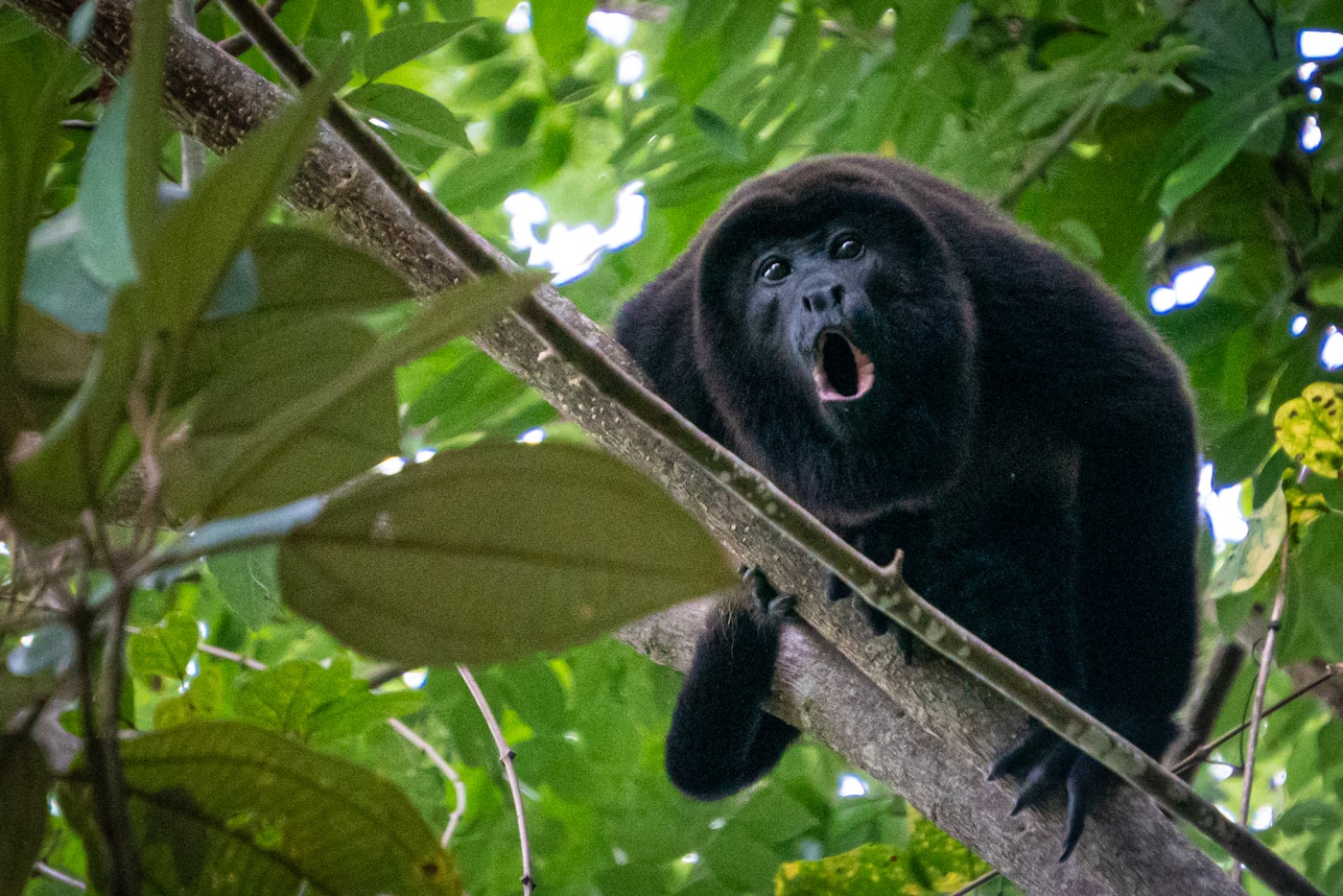
★ Mantled Howler Monkey
Alouatta palliata
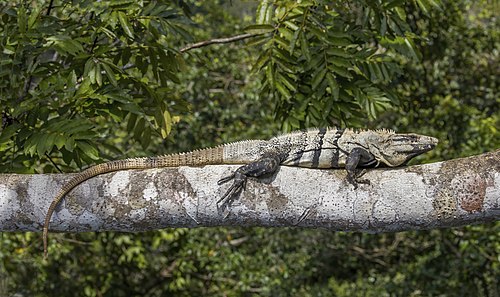 ★
★ Black Spiny-tailed Iguana
Ctenosaura similis
📊 Most Spotted

White-tailed Deer
Odocoileus virginianus

Hoffmann's Woodpecker
Melanerpes hoffmannii
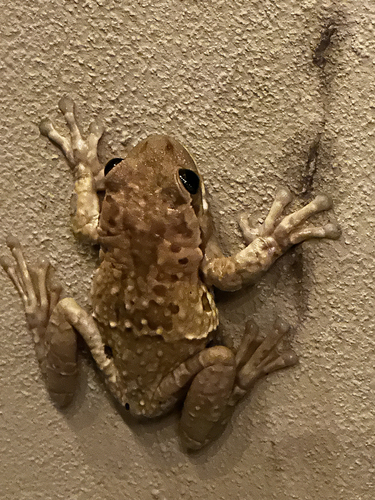
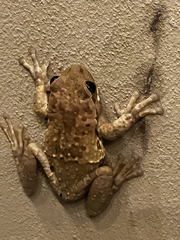
Milk Frog
Trachycephalus macrotis

Sheep Frog
Hypopachus variolosus

Central American Agouti
Dasyprocta punctata

Banded Wren
Thryophilus pleurostictus

White-tipped Dove
Leptotila verreauxi

Great Kiskadee
Pitangus sulphuratus

Great Curassow
Crax rubra

Rufous-backed Wren
Campylorhynchus capistratus

Squirrel Cuckoo
Piaya cayana

Rufous-capped Warbler
Basileuterus rufifrons
⭐ Iconic Species
★ Central American White-faced Capuchin
Cebus imitator
★ Mantled Howler Monkey
Alouatta palliata
📊 Most Spotted
White-tailed Deer
Odocoileus virginianus
Central American Agouti
Dasyprocta punctata

Central American Spider Monkey
Ateles geoffroyi

White-nosed Coati
Nasua narica

Northern Tamandua
Tamandua mexicana

Common Raccoon
Procyon lotor

Variegated Squirrel
Sciurus variegatoides

Big-eared Climbing Rat
Ototylomys phyllotis

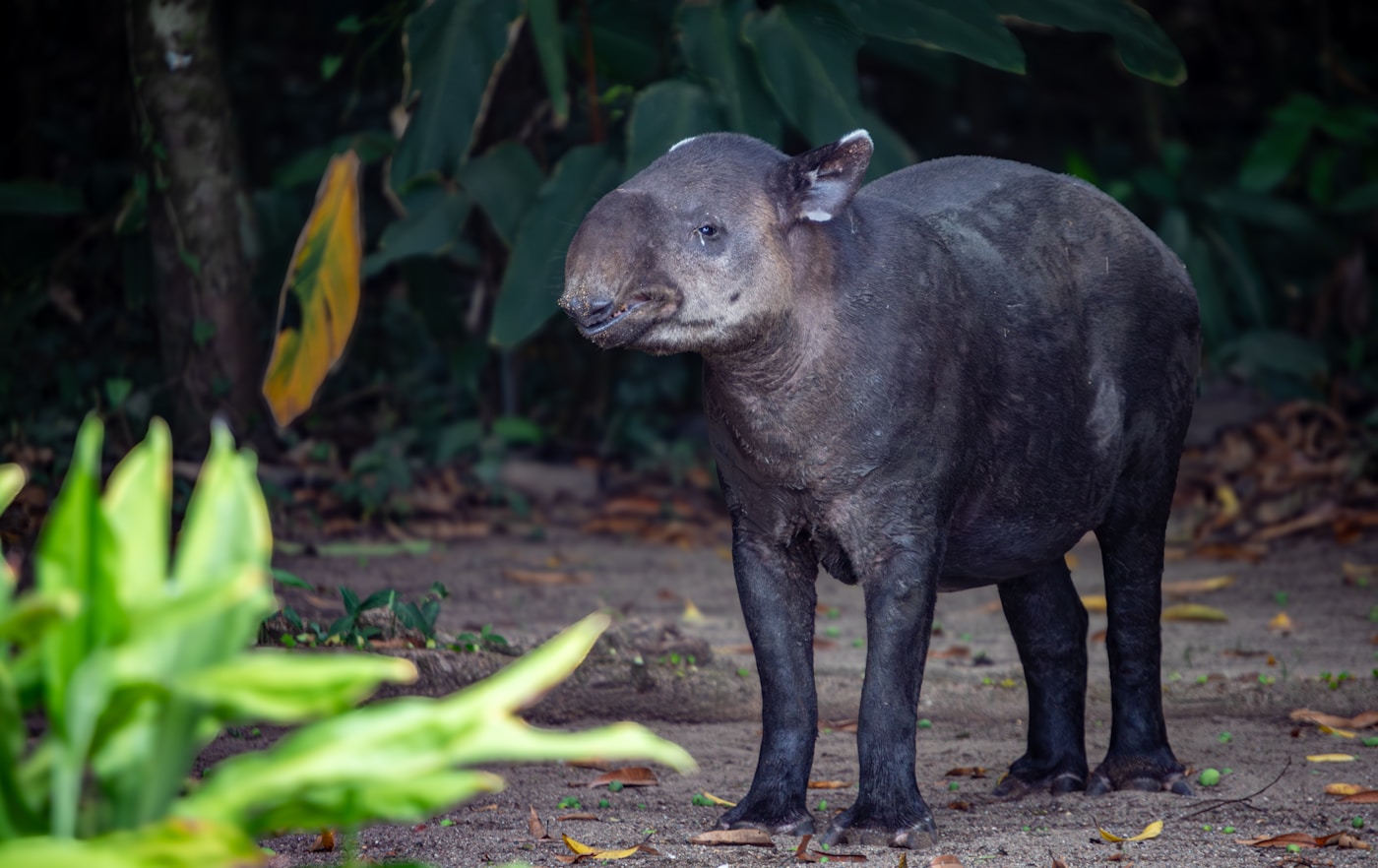
Baird's Tapir
Tapirella bairdii

Gray Fox
Urocyon cinereoargenteus

Derby's Woolly Opossum
Caluromys derbianus

Salvin's Spiny Pocket Mouse
Liomys salvini
📊 Most Spotted
Hoffmann's Woodpecker
Melanerpes hoffmannii
Banded Wren
Thryophilus pleurostictus
White-tipped Dove
Leptotila verreauxi
Great Kiskadee
Pitangus sulphuratus
Great Curassow
Crax rubra
Rufous-backed Wren
Campylorhynchus capistratus
Squirrel Cuckoo
Piaya cayana
Rufous-capped Warbler
Basileuterus rufifrons

White-Throated Magpie-Jay
Calocitta formosa

Brown-crested Flycatcher
Myiarchus tyrannulus

Inca Dove
Columbina inca

Yellow-olive Flycatcher
Tolmomyias sulphurescens
⭐ Iconic Species
📊 Most Spotted

Slender Hognose Viper
Porthidium ophryomegas

Rhombic Cat-eyed Snake
Leptodeira rhombifera

Central American Rattlesnake
Crotalus simus

Central American Lyresnake
Trimorphodon quadruplex

Central American Banded Gecko
Coleonyx mitratus
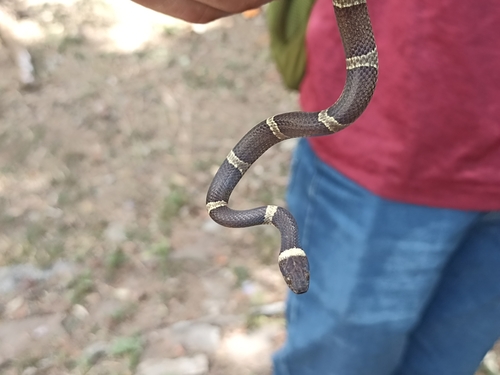
Black-banded Cat-eyed Snake
Leptodeira nigrofasciata

Cope's Black-striped Snake
Coniophanes piceivittis

Central American Boa
Boa imperator

Yellowbelly Gecko
Phyllodactylus tuberculosus

Blackbelly Racerunner
Aspidoscelis deppii

Central American Coral Snake
Micrurus nigrocinctus
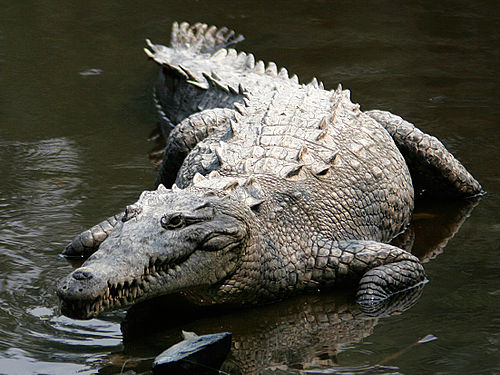
American Crocodile
Crocodylus acutus
📊 Most Spotted
Milk Frog
Trachycephalus macrotis
Sheep Frog
Hypopachus variolosus

Mexican Smilisca
Smilisca baudinii

Giant Marine Toad
Rhinella horribilis

Guayaquil Dwarf Frog
Engystomops pustulosus

Yellow Toad
Incilius luetkenii

Stauffer's Tree Frog
Scinax staufferi

Forrer's Grass Frog
Lithobates forreri

Turbo White-lipped Frog
Leptodactylus poecilochilus

Dry Forest Toad
Incilius coccifer

Yellow Treefrog
Dendropsophus microcephalus

Mexican Burrowing Toad
Rhinophrynus dorsalis
Animal Events
Olive Ridley Turtle Arribada
In one of nature's great synchronized spectacles, thousands of olive ridley sea turtles storm the same beach together over a few nights, hauling their bodies up the sand to dig nests shoulder to shoulder. This mass nesting, known as an arribada, turns the shoreline into a churning field of flippers and freshly laid eggs.
Dry Season Wildlife Congregation
As the tropical dry forest bakes and waterholes shrink to a few precious pools, wildlife is forced into the open to drink. White-faced capuchins, mantled howler monkeys, and white-tailed deer converge on the last remaining water, making animals that are usually scattered and hidden easy to spot in one place.
Dry Forest Birding Season
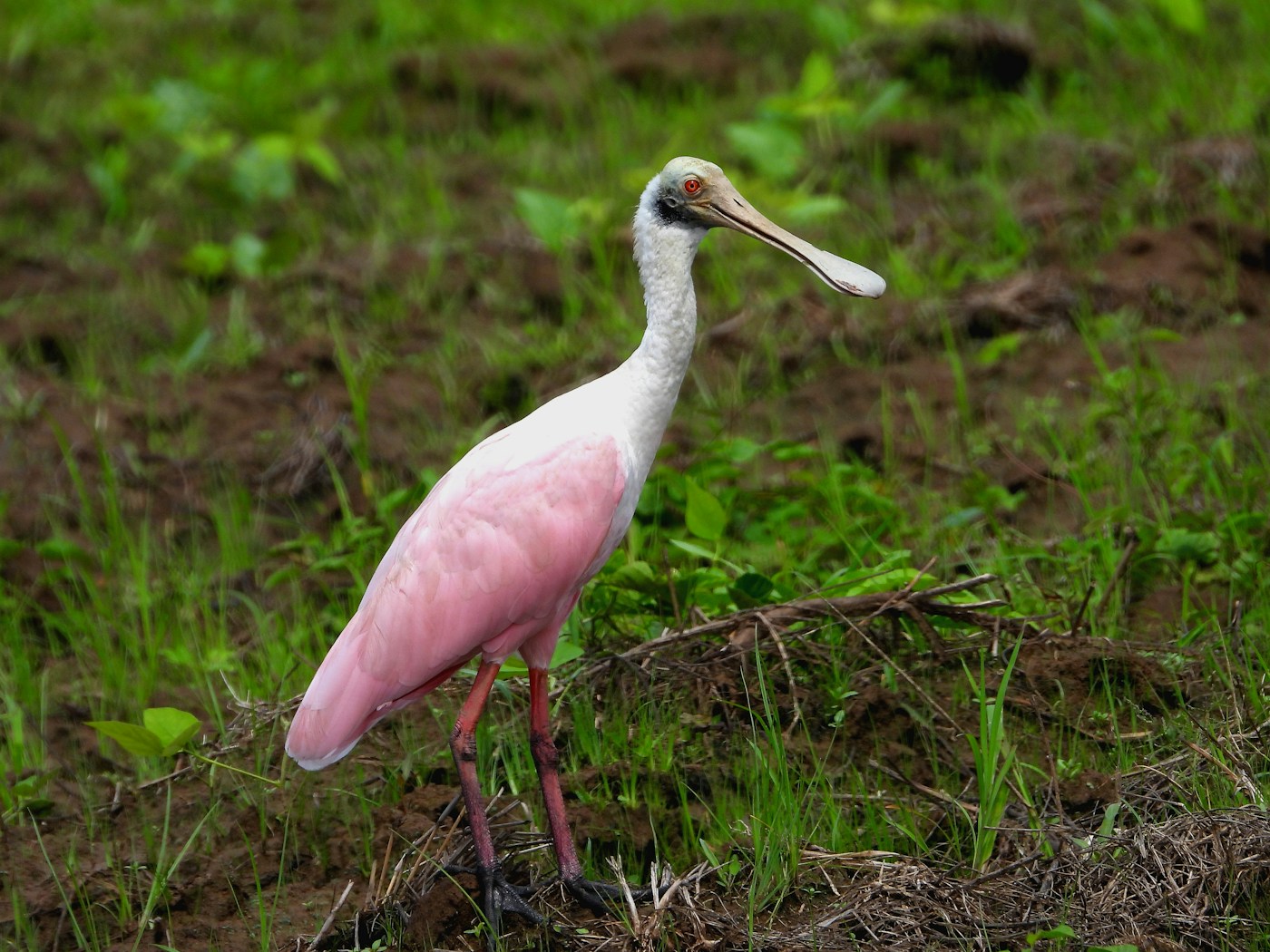
When the dry forest sheds its leaves, the bare branches strip away the canopy's cover and lay the birds bare to view. The turkey-sized great curassow struts in plain sight, raucous white-throated magpie-jays move through in noisy flocks, and male long-tailed manakins pair up to perform their acrobatic cartwheeling courtship dance.

Sighting Calendar
Chance of spotting each species, month by month
Sighting Zones
Warm areas are where all species together are recorded most, so they track where people go as much as where animals are. For one species, see the map on its own page.
Where Wildlife Score
How good is this park for seeing wildlife?Biodiversity
Very goodHow rich is the wildlife?
Sighting
ExcellentHow likely to see animals?
Quick answers
What animals can you see in Santa Rosa National Park?
The most likely sightings are Black Spiny-tailed Iguana (seen by 80–90% of wildlife watchers), White-tailed Deer (seen by 60–70% of wildlife watchers), Central American White-faced Capuchin (seen by 60–70% of wildlife watchers), Hoffmann's Woodpecker (seen by 60–70% of wildlife watchers), Milk Frog (seen by 60–70% of wildlife watchers) — among 830 recorded vertebrate species, based on citizen-science data from GBIF.
When is the best time to visit Santa Rosa National Park for wildlife?
July has the highest combined sighting rate for the park's top species in our month-by-month GBIF data. The full sighting calendar on this page shows each species' best months.
Can you see Pacific Ridley in Santa Rosa National Park?
It's possible but not guaranteed: about 12% of wildlife watchers report a Pacific Ridley sighting in Santa Rosa National Park, based on 3 days of visitor records from GBIF citizen-science data. Sightings take luck and time in the field.
Can you see Central American White-faced Capuchin in Santa Rosa National Park?
Yes — about 66% of wildlife watchers report a Central American White-faced Capuchin sighting in Santa Rosa National Park, based on 119 days of visitor records from GBIF citizen-science data.
Can you see Mantled Howler Monkey in Santa Rosa National Park?
Yes — about 50% of wildlife watchers report a Mantled Howler Monkey sighting in Santa Rosa National Park, based on 61 days of visitor records from GBIF citizen-science data.
Can you see Black Spiny-tailed Iguana in Santa Rosa National Park?
Yes — about 82% of wildlife watchers report a Black Spiny-tailed Iguana sighting in Santa Rosa National Park, based on 234 days of visitor records from GBIF citizen-science data.