Las Baulas Marine National Park
🇨🇷 Costa Rica
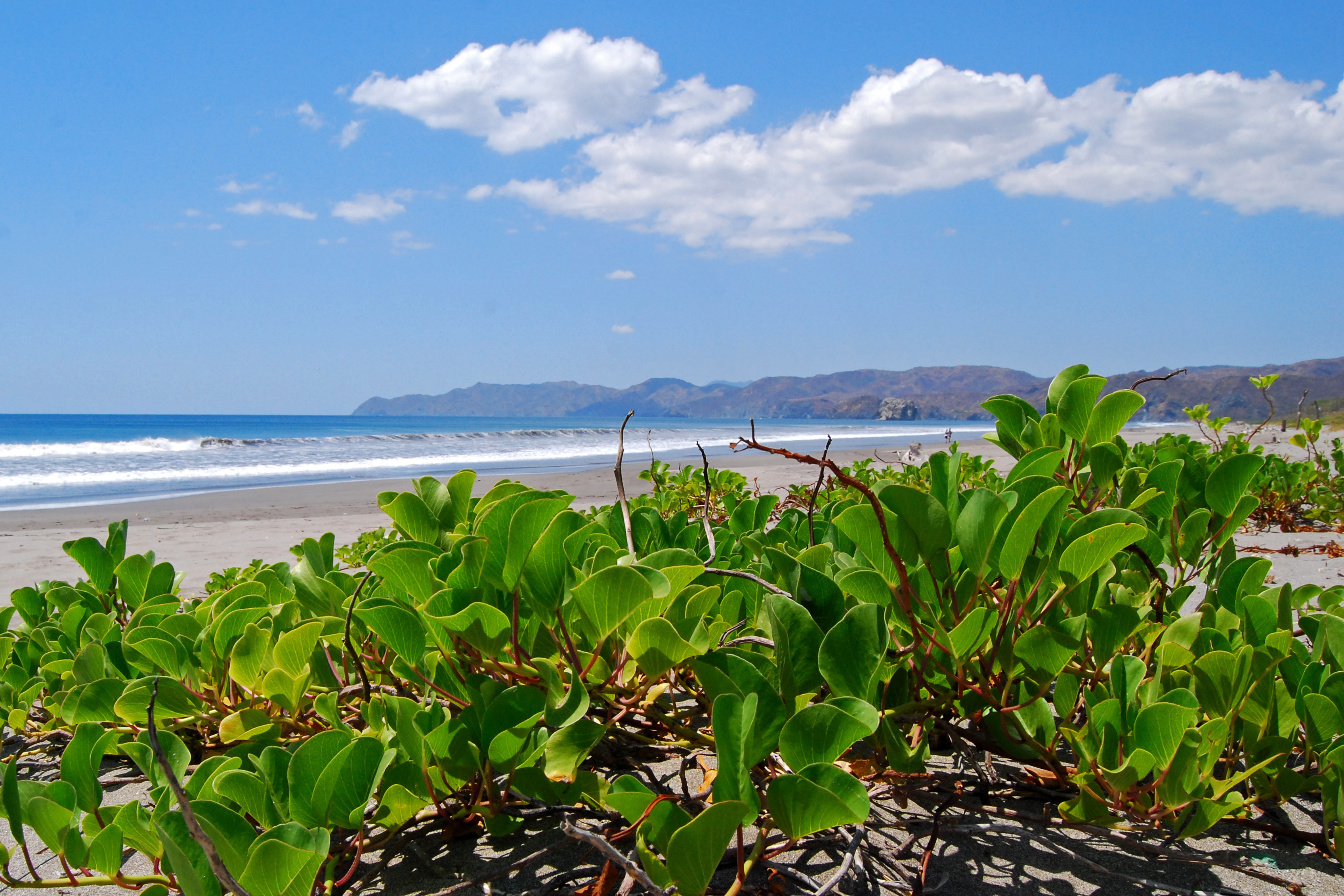
🐢 Leatherback Turtle NestingMarino Las Baulas protects one of the most important leatherback turtle nesting sites on the Pacific coast of the Americas. From October to March, these ancient giants — weighing up to 500 kg — haul themselves onto Playa Grande under cover of darkness to lay their eggs.
10.318° N 86.019° W
Wildlife
⭐ Iconic Species
 ★
★ Leatherback Sea Turtle
Dermochelys coriacea
 ★
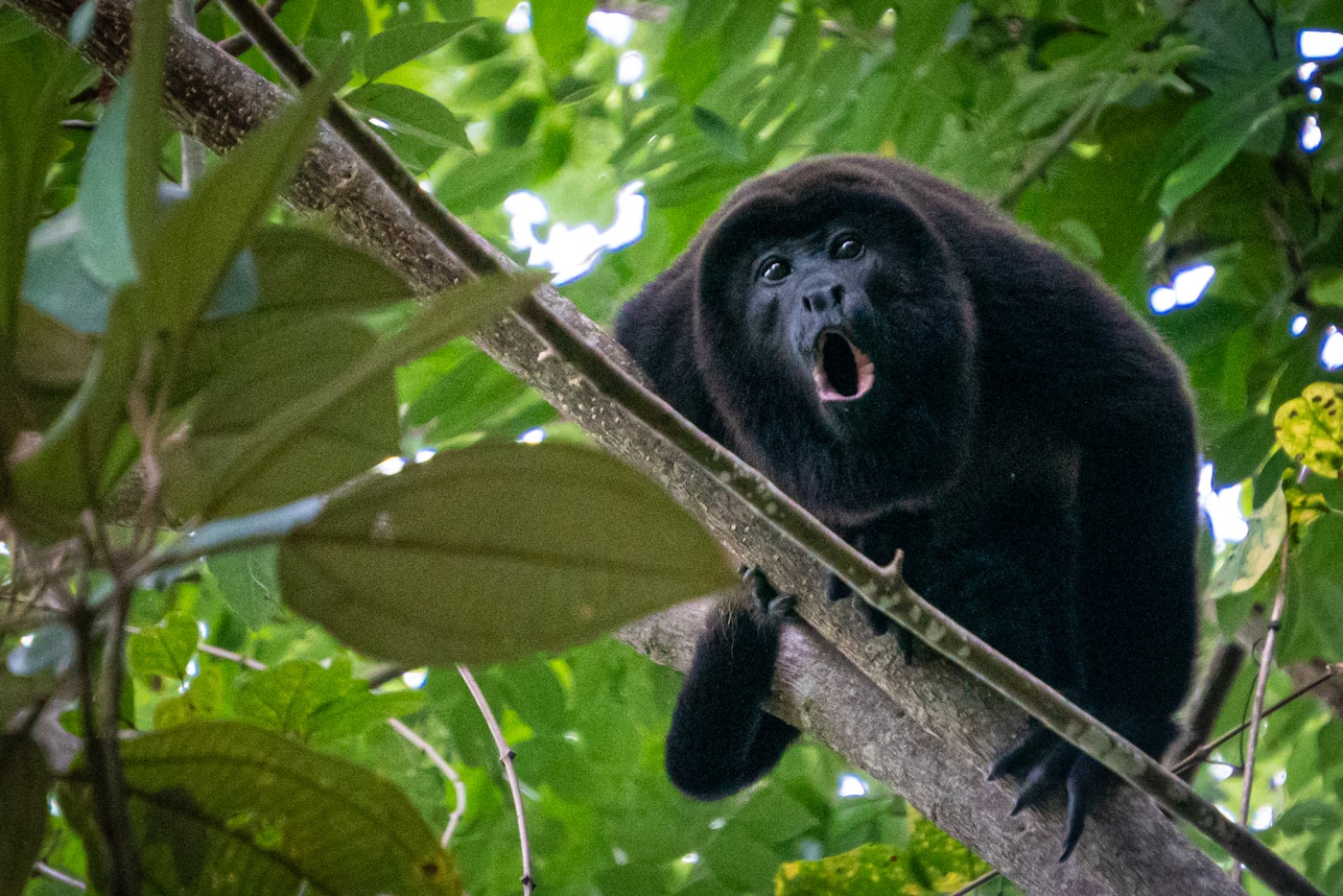
★ Mantled Howler Monkey
Alouatta palliata
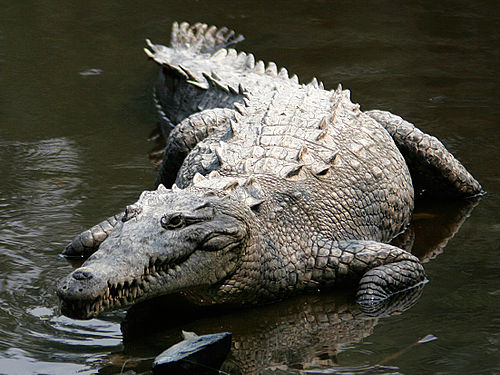 ★
★ American Crocodile
Crocodylus acutus
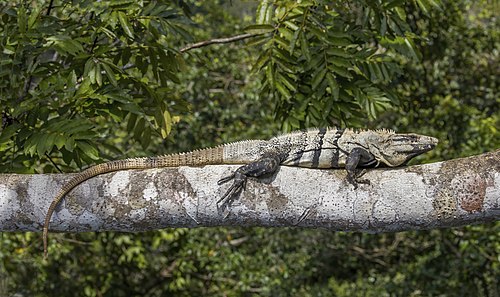 ★
★ Black Spiny-tailed Iguana
Ctenosaura similis
📊 Most Spotted

Great Kiskadee
Pitangus sulphuratus

Great-tailed Grackle
Quiscalus mexicanus

Black Vulture
Coragyps atratus

Tropical Kingbird
Tyrannus melancholicus

Variegated Squirrel
Sciurus variegatoides

White-winged Dove
Zenaida asiatica

Rufous-backed Wren
Campylorhynchus capistratus

Hoffmann's Woodpecker
Melanerpes hoffmannii

Green Iguana
Iguana iguana

Streak-backed Oriole
Icterus pustulatus

Orange-fronted Parakeet
Aratinga canicularis

Yellow Warbler
Setophaga petechia
⭐ Iconic Species
📊 Most Spotted
Variegated Squirrel
Sciurus variegatoides

Common Raccoon
Procyon lotor

White-nosed Coati
Nasua narica

Proboscis Bat
Rhynchonycteris naso

Hooded Skunk
Mephitis macroura

Northern Tamandua
Tamandua mexicana

Mexican Hairy Dwarf Porcupine
Sphiggurus mexicanus

Common Opossum
Didelphis marsupialis

Pantropical Spotted Dolphin
Stenella attenuata

Bottlenose Dolphin
Tursiops truncatus

Greater Sac-winged Bat
Saccopteryx bilineata
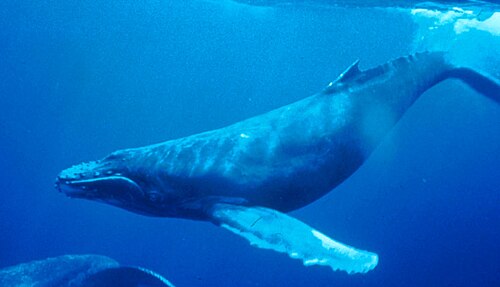
Humpback Whale
Megaptera novaeangliae
📊 Most Spotted
Great Kiskadee
Pitangus sulphuratus
Great-tailed Grackle
Quiscalus mexicanus
Black Vulture
Coragyps atratus
Tropical Kingbird
Tyrannus melancholicus
White-winged Dove
Zenaida asiatica
Rufous-backed Wren
Campylorhynchus capistratus
Hoffmann's Woodpecker
Melanerpes hoffmannii
Streak-backed Oriole
Icterus pustulatus
Orange-fronted Parakeet
Aratinga canicularis
Yellow Warbler
Setophaga petechia

Brown Pelican
Pelecanus occidentalis

Common Black-Hawk
Buteogallus anthracinus
⭐ Iconic Species
★ Leatherback Sea Turtle
Dermochelys coriacea
★ American Crocodile
Crocodylus acutus
★ Black Spiny-tailed Iguana
Ctenosaura similis
📊 Most Spotted
Green Iguana
Iguana iguana

Rose-bellied Lizard
Sceloporus variabilis

Common House Gecko
Hemidactylus frenatus

Blackbelly Racerunner
Aspidoscelis deppii

Yellow-bellied Sea Snake
Hydrophis platurus

Pacific Ridley
Lepidochelys olivacea
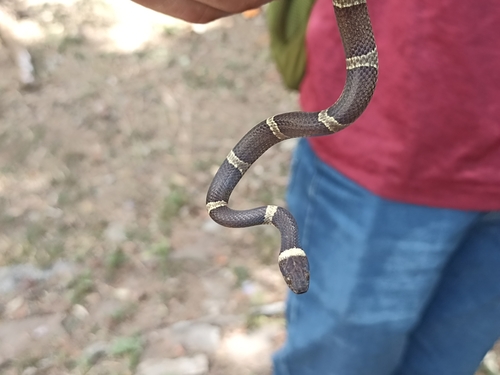
Black-banded Cat-eyed Snake
Leptodeira nigrofasciata

Green Turtle
Chelonia mydas

Central American Lyresnake
Trimorphodon quadruplex

Central American Boa
Boa imperator
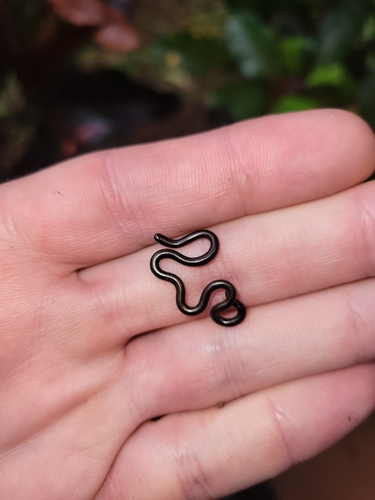
Taylor's Blind Snake
Epictia ater

Rhombic Cat-eyed Snake
Leptodeira rhombifera
📊 Most Spotted
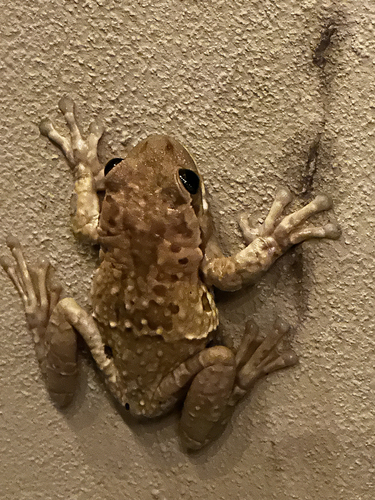
Milk Frog
Trachycephalus macrotis

Giant Marine Toad
Rhinella horribilis

Mexican Smilisca
Smilisca baudinii

Stauffer's Tree Frog
Scinax staufferi

Yellow Toad
Incilius luetkenii

Yellow Treefrog
Dendropsophus microcephalus

Turbo White-lipped Frog
Leptodactylus poecilochilus

Sheep Frog
Hypopachus variolosus

Forrer's Grass Frog
Lithobates forreri
Animal Events
Leatherback Turtle Nesting
The leatherback is the largest sea turtle on Earth, and females haul their massive leathery-backed bodies ashore at night to dig deep nests and lay clutches of eggs. Watching one of these ancient giants emerge from the surf under moonlight is a rare and unforgettable spectacle.
American Crocodile Breeding
During the breeding season American crocodiles gather in the park's estuaries and mangrove channels, where males bellow and defend territory before females build mounded nests along the banks. It's the best time to spot these formidable reptiles basking and courting in the brackish waters.
Migratory Shorebird & Waterbird Season
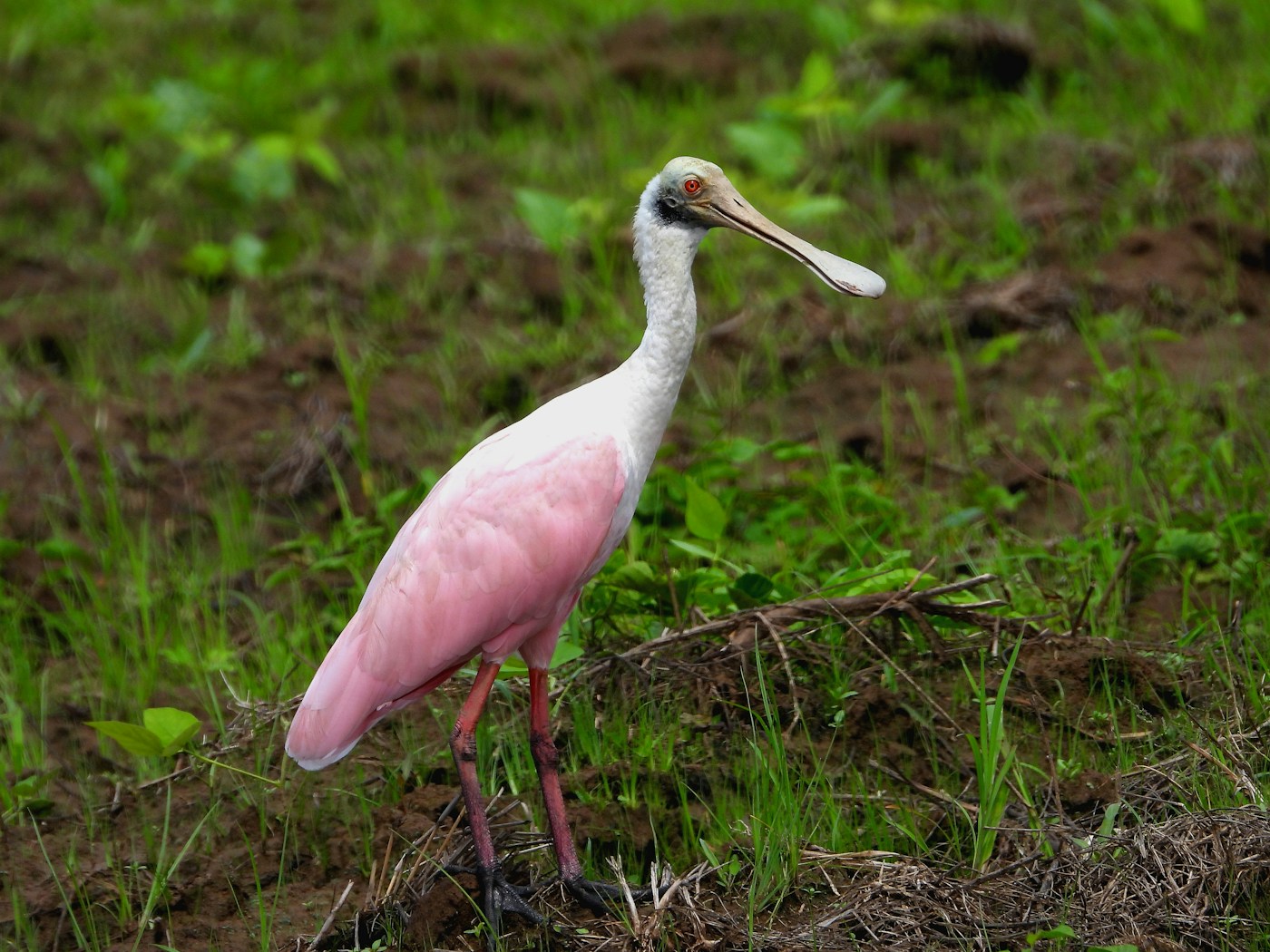
Long-billed Whimbrels probing the mudflats join Brown Pelicans plunge-diving offshore and Tricolored Herons stalking the shallows, part of a wave of migrants and resident waterbirds feeding along the estuary. The tidal flats and mangroves come alive with wings and constant activity.


Sighting Calendar
Chance of spotting each species, month by month
Sighting Zones
Warm areas are where all species together are recorded most, so they track where people go as much as where animals are. For one species, see the map on its own page.
Where Wildlife Score
How good is this park for seeing wildlife?Biodiversity
GoodHow rich is the wildlife?
Sighting
Very goodHow likely to see animals?
Quick answers
What animals can you see in Las Baulas Marine National Park?
The most likely sightings are Black Spiny-tailed Iguana (seen by 80–90% of wildlife watchers), Great Kiskadee (seen by 80–90% of wildlife watchers), Great-tailed Grackle (seen by 80–90% of wildlife watchers), Mantled Howler Monkey (seen by 70–80% of wildlife watchers), Black Vulture (seen by 70–80% of wildlife watchers) — among 723 recorded vertebrate species, based on citizen-science data from GBIF.
When is the best time to visit Las Baulas Marine National Park for wildlife?
May has the highest combined sighting rate for the park's top species in our month-by-month GBIF data. The full sighting calendar on this page shows each species' best months.
Can you see Leatherback Sea Turtle in Las Baulas Marine National Park?
It's possible but not guaranteed: about 4% of wildlife watchers report a Leatherback Sea Turtle sighting in Las Baulas Marine National Park, based on 1 days of visitor records from GBIF citizen-science data. Sightings take luck and time in the field.
Can you see Mantled Howler Monkey in Las Baulas Marine National Park?
Yes — about 74% of wildlife watchers report a Mantled Howler Monkey sighting in Las Baulas Marine National Park, based on 159 days of visitor records from GBIF citizen-science data.
Can you see American Crocodile in Las Baulas Marine National Park?
Yes — about 41% of wildlife watchers report a American Crocodile sighting in Las Baulas Marine National Park, based on 41 days of visitor records from GBIF citizen-science data.
Can you see Black Spiny-tailed Iguana in Las Baulas Marine National Park?
Yes — about 83% of wildlife watchers report a Black Spiny-tailed Iguana sighting in Las Baulas Marine National Park, based on 244 days of visitor records from GBIF citizen-science data.