Blue and John Crow Mountains National Park
🇯🇲 Jamaica
🐦 Streamertails in the Blue Mountain MistRising sharply above the Caribbean Sea, Blue and John Crow Mountains National Park protects a steep tropical rainforest in eastern Jamaica. Dense vegetation blankets the rugged slopes, where narrow dirt trails wind through misty canopy and dense ferns.
18.044° N 76.497° W
Wildlife
⭐ Iconic Species
 ★
★ Streamertail
Trochilus polytmus
 ★
★ Jamaican Tody
Todus todus
 ★
★ Black-billed Parrot
Amazona agilis
 ★
★ Jamaican Boa
Chilabothrus subflavus
📊 Most Spotted

Loggerhead Kingbird
Tyrannus caudifasciatus

Bananaquit
Coereba flaveola

White-chinned Thrush
Turdus aurantius

Jamaican Spindalis
Spindalis nigricephala

Orangequit
Euneornis campestris

American Redstart
Setophaga ruticilla

Jamaican Woodpecker
Melanerpes radiolatus

Jamaican Oriole
Icterus leucopteryx

Turkey Vulture
Cathartes aura

Black-throated Blue Warbler
Setophaga caerulescens

Sad Flycatcher
Myiarchus barbirostris

Ring-tailed Pigeon
Patagioenas caribaea
📊 Most Spotted

Jamaican flower bat
Phyllonycteris aphylla

Mongoose
Herpestes javanicus
Antillean Ghost-faced Bat
Mormoops blainvillei
⭐ Iconic Species
★ Streamertail
Trochilus polytmus
★ Jamaican Tody
Todus todus
★ Black-billed Parrot
Amazona agilis
📊 Most Spotted
Loggerhead Kingbird
Tyrannus caudifasciatus
Bananaquit
Coereba flaveola
White-chinned Thrush
Turdus aurantius
Jamaican Spindalis
Spindalis nigricephala
Orangequit
Euneornis campestris
American Redstart
Setophaga ruticilla
Jamaican Woodpecker
Melanerpes radiolatus
Jamaican Oriole
Icterus leucopteryx
Turkey Vulture
Cathartes aura
Black-throated Blue Warbler
Setophaga caerulescens
Sad Flycatcher
Myiarchus barbirostris
Ring-tailed Pigeon
Patagioenas caribaea
⭐ Iconic Species
📊 Most Spotted

Stripefoot Anole
Anolis lineatopus

Jamaican Giant Anole
Anolis garmani

Bluefields Anole
Anolis opalinus

Tropical House Gecko
Hemidactylus mabouia

Graham's Anole
Anolis grahami
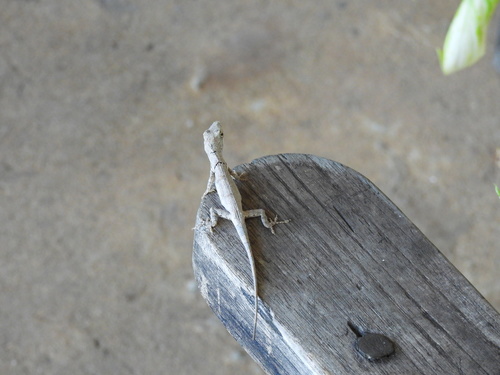
Jamaican Twig Anole
Anolis valencienni

Brown Anole
Anolis sagrei
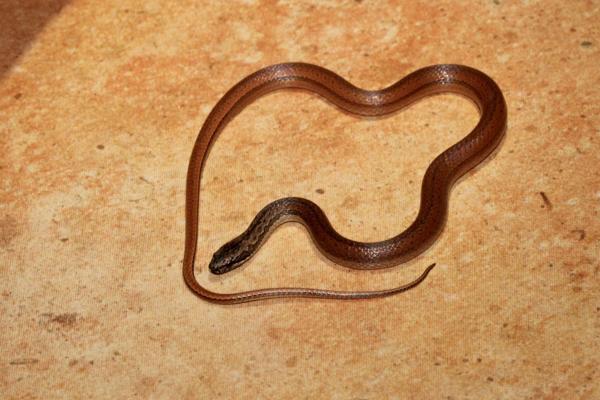
Jamaican Red Groundsnake
Hypsirhynchus callilaemus

Croaking Lizard
Aristelliger praesignis
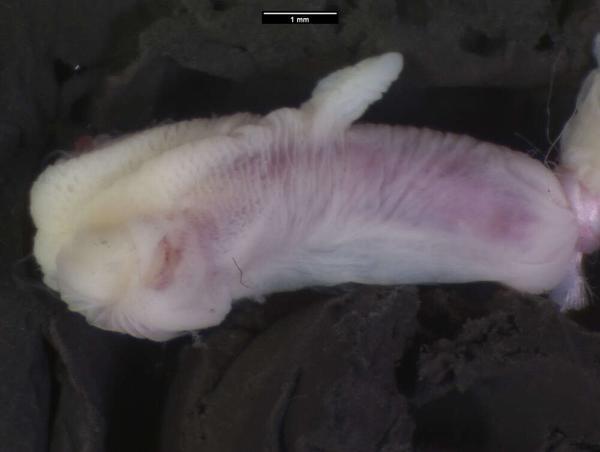
Blue Mountains Anole
Anolis reconditus

Hawksbill
Eretmochelys imbricata
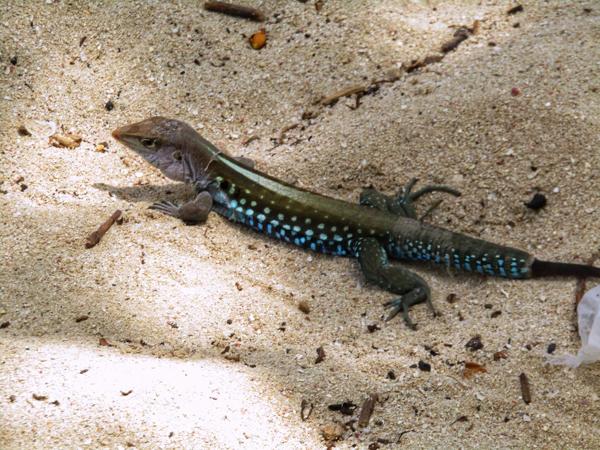
Jamaica Ameiva
Pholidoscelis dorsalis


Animal Events
Streamertail Courtship Season
Breeding and display season of Jamaica's two streamertail hummingbirds, whose ranges meet only around these eastern mountains — males show their long tail-streamers at flowering trees.

Warbler Season
North American wood-warblers overwinter in the montane forest, joining the resident endemics — the documented peak birding season for the Blue Mountains.

Endemic Bird Nesting Season
Spring breeding of Jamaica's endemic birds — the season endemic-birding tours target, when the park's specialties (tody, quail-dove, blackbird) are calling and nesting.


Sighting Calendar
Chance of spotting each species, month by month
Sighting Zones
Warm areas are where all species together are recorded most, so they track where people go as much as where animals are. For one species, see the map on its own page.
Where Wildlife Score
How good is this park for seeing wildlife?Biodiversity
GoodHow rich is the wildlife?
Sighting
Very goodHow likely to see animals?
Quick answers
What animals can you see in Blue and John Crow Mountains National Park?
The most likely sightings are Loggerhead Kingbird (seen by 90–100% of wildlife watchers), Bananaquit (seen by 80–90% of wildlife watchers), White-chinned Thrush (seen by 80–90% of wildlife watchers), Jamaican Spindalis (seen by 80–90% of wildlife watchers), Orangequit (seen by 80–90% of wildlife watchers) — among 373 recorded vertebrate species, based on citizen-science data from GBIF.
When is the best time to visit Blue and John Crow Mountains National Park for wildlife?
March has the highest combined sighting rate for the park's top species in our month-by-month GBIF data. The full sighting calendar on this page shows each species' best months.
Can you see Streamertail in Blue and John Crow Mountains National Park?
Yes — about 43% of wildlife watchers report a Streamertail sighting in Blue and John Crow Mountains National Park, based on 291 days of visitor records from GBIF citizen-science data.
Can you see Jamaican Tody in Blue and John Crow Mountains National Park?
Yes — about 74% of wildlife watchers report a Jamaican Tody sighting in Blue and John Crow Mountains National Park, based on 496 days of visitor records from GBIF citizen-science data.
Can you see Black-billed Parrot in Blue and John Crow Mountains National Park?
Yes — about 51% of wildlife watchers report a Black-billed Parrot sighting in Blue and John Crow Mountains National Park, based on 345 days of visitor records from GBIF citizen-science data.
Can you see Jamaican Boa in Blue and John Crow Mountains National Park?
It's possible but not guaranteed: about 13% of wildlife watchers report a Jamaican Boa sighting in Blue and John Crow Mountains National Park, based on 1 days of visitor records from GBIF citizen-science data. Sightings take luck and time in the field.

_5.jpg?width=1920)

