Volcán Barú National Park
🇵🇦 Panama
🐦 Quetzals and Solitaires on Volcán BarúVolcán Barú National Park protects Panama's highest peak (3,475 m) and the cloud forests that blanket its slopes. The park is one of the best places in Central America to see the Resplendent Quetzal, especially along the Quetzal Trail (Sendero Los Quetzales) connecting Boquete to Cerro Punta.
8.803° N 82.534° W
Wildlife
⭐ Iconic Species
 ★
★ Resplendent Quetzal
Pharomachrus mocinno
 ★
★ White-throated Mountain-gem
Lampornis castaneoventris
 ★
★ White-nosed Coati
Nasua narica
 ★
★ Black-faced Solitaire
Myadestes melanops
📊 Most Spotted

Gray-breasted Wood-Wren
Henicorhina leucophrys

Rufous-collared Sparrow
Zonotrichia capensis

Slaty Flowerpiercer
Diglossa plumbea

Yellow-thighed Finch
Atlapetes tibialis

Mountain Thrush
Turdus plebejus

Collared Redstart
Myioborus torquatus

Flame-throated Warbler
Oreothlypis gutturalis

Clay-colored Thrush
Turdus grayi

Black-cheeked Warbler
Basileuterus melanogenys

Talamanca Hummingbird
Eugenes spectabilis

Lesser Violetear
Colibri cyanotus

Wilson's Warbler
Cardellina pusilla
⭐ Iconic Species
📊 Most Spotted

Red-tailed Squirrel
Sciurus granatensis

Mantled Howler Monkey
Alouatta palliata

Cacomistle
Bassariscus sumichrasti

Hoffmann's Two-toed Sloth
Choloepus hoffmanni

Mexican Hairy Dwarf Porcupine
Sphiggurus mexicanus

Central American Red Brocket
Mazama temama

Chiriqui Olingo
Bassaricyon gabbii

Common Opossum
Didelphis marsupialis

Central American Squirrel Monkey
Saimiri oerstedii

Tayra
Eira barbara

Great Fruit-eating Bat
Artibeus lituratus

Central American Agouti
Dasyprocta punctata
⭐ Iconic Species
★ Resplendent Quetzal
Pharomachrus mocinno
★ White-throated Mountain-gem
Lampornis castaneoventris
★ Black-faced Solitaire
Myadestes melanops
📊 Most Spotted
Gray-breasted Wood-Wren
Henicorhina leucophrys
Rufous-collared Sparrow
Zonotrichia capensis
Slaty Flowerpiercer
Diglossa plumbea
Yellow-thighed Finch
Atlapetes tibialis
Mountain Thrush
Turdus plebejus
Collared Redstart
Myioborus torquatus
Flame-throated Warbler
Oreothlypis gutturalis
Clay-colored Thrush
Turdus grayi
Black-cheeked Warbler
Basileuterus melanogenys
Talamanca Hummingbird
Eugenes spectabilis
Lesser Violetear
Colibri cyanotus
Wilson's Warbler
Cardellina pusilla
📊 Most Spotted
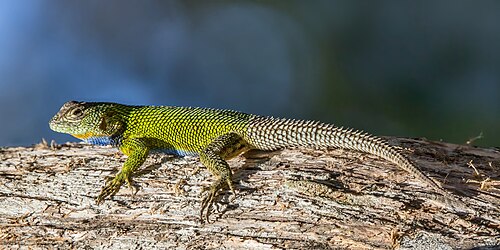
Emerald Swift
Sceloporus malachiticus

Black-speckled Palm Pit Viper
Bothriechis nigroviridis
South American Milksnake
Lampropeltis micropholis
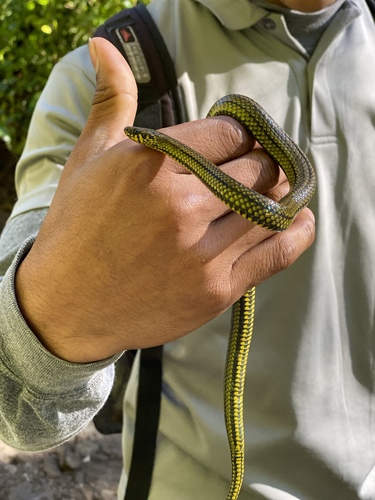
Thick Graceful Brown Snake
Rhadinaea calligaster

Kempton's Anole
Anolis kemptoni

Side-striped palm pit viper
Bothriechis lateralis

Montane Alligator Lizard
Abronia monticola

Humble Anole
Anolis humilis

White-throated Gecko
Gonatodes albogularis

Green Iguana
Iguana iguana

Costa Rica Montane Pitviper
Cerrophidion sasai

Common Mussurana
Clelia clelia
📊 Most Spotted

Giant Marine Toad
Rhinella horribilis
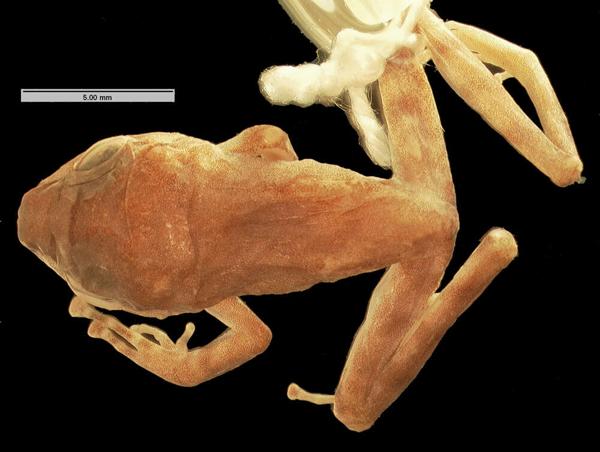
Dunn's Robber Frog
Craugastor monnichorum

Guayaquil Dwarf Frog
Engystomops pustulosus
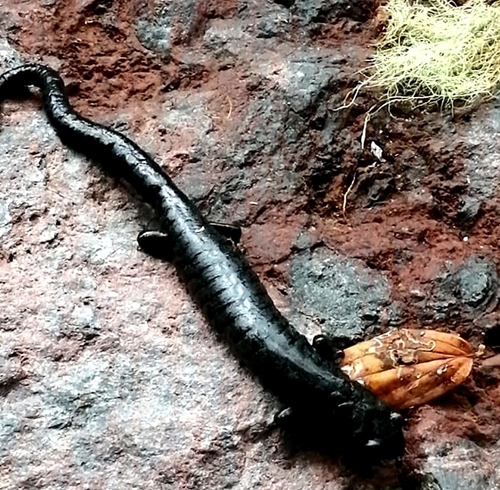
Magnificent Web-Footed Salamander
Bolitoglossa magnifica

Golden-groined Robber Frog
Pristimantis cruentus
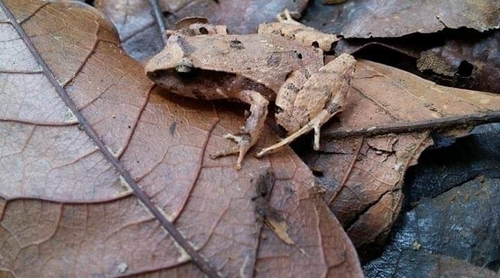
Cerro Utyum Robber Frog
Craugastor podiciferus
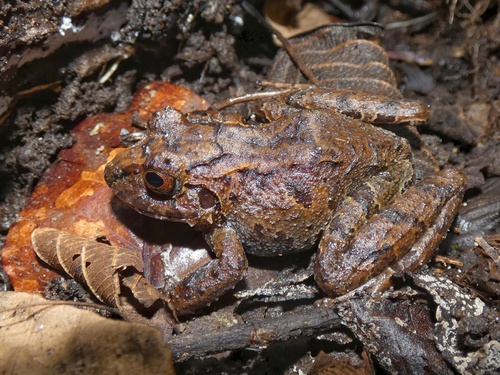
Banded-thighed Rain Frog
Craugastor melanostictus

Musical Rain Frog
Pristimantis museosus

La Loma Robber Frog
Pristimantis caryophyllaceus

American Cinchona Plantation Tree Frog
Isthmohyla rivularis

Peralta Frog
Lithobates taylori

Yellow-flecked Glassfrog
Sachatamia albomaculata
Animal Events
Resplendent Quetzal Nesting Season
The Resplendent Quetzal—the male trailing iridescent emerald tail streamers up to a meter long—becomes far easier to find as pairs excavate and defend nest cavities in dead trees along the Los Quetzales Trail. Watch for them darting to wild avocado trees, where they pluck fruit whole and swallow it in mid-flight to feed their chicks.
Highland Songbird Chorus
During the breeding season the cloud forest fills with the ethereal, flute-like song of the Black-faced Solitaire, an unassuming grey bird whose voice carries like a slow-ringing bell through the mist. The Mountain Thrush joins in, and their overlapping melodies make the forest easier to hear than to see.
Highland Hummingbird Season
Highland hummingbirds like the White-throated Mountain-gem and the tiny Volcano Hummingbird gather in numbers around flowering shrubs and feeders on Barú's upper slopes, jostling and chasing rivals in glittering aerial skirmishes. It is one of the best chances to watch several montane species compete side by side at a single bloom.

Sighting Calendar
Chance of spotting each species, month by month
Sighting Zones
Warm areas are where all species together are recorded most, so they track where people go as much as where animals are. For one species, see the map on its own page.
Where Wildlife Score
How good is this park for seeing wildlife?Biodiversity
ExcellentHow rich is the wildlife?
Sighting
GoodHow likely to see animals?
Quick answers
What animals can you see in Volcán Barú National Park?
The most likely sightings are White-throated Mountain-gem (seen by 70–80% of wildlife watchers), Gray-breasted Wood-Wren (seen by 60–70% of wildlife watchers), Rufous-collared Sparrow (seen by 60–70% of wildlife watchers), Slaty Flowerpiercer (seen by 60–70% of wildlife watchers), Yellow-thighed Finch (seen by 60–70% of wildlife watchers) — among 1047 recorded vertebrate species, based on citizen-science data from GBIF.
When is the best time to visit Volcán Barú National Park for wildlife?
June has the highest combined sighting rate for the park's top species in our month-by-month GBIF data. The full sighting calendar on this page shows each species' best months.
Can you see Resplendent Quetzal in Volcán Barú National Park?
Yes — about 41% of wildlife watchers report a Resplendent Quetzal sighting in Volcán Barú National Park, based on 464 days of visitor records from GBIF citizen-science data.
Can you see White-throated Mountain-gem in Volcán Barú National Park?
Yes — about 77% of wildlife watchers report a White-throated Mountain-gem sighting in Volcán Barú National Park, based on 865 days of visitor records from GBIF citizen-science data.
Can you see White-nosed Coati in Volcán Barú National Park?
Yes — about 31% of wildlife watchers report a White-nosed Coati sighting in Volcán Barú National Park, based on 15 days of visitor records from GBIF citizen-science data.
Can you see Black-faced Solitaire in Volcán Barú National Park?
Yes — about 55% of wildlife watchers report a Black-faced Solitaire sighting in Volcán Barú National Park, based on 620 days of visitor records from GBIF citizen-science data.
Explore Other Parks
 📍 40 km 🐸 Poison Dart Frog & Quetzal Cloudforest
 La Amistad International Park (Panama)
 📍 61 km 🐸 Strawberry Poison Dart Frogs Underfoot
 Bastimentos Island National Marine Park
 📍 81 km 🐒 All Four Monkeys, Golfo Dulce Dolphins
 Piedras Blancas National Park
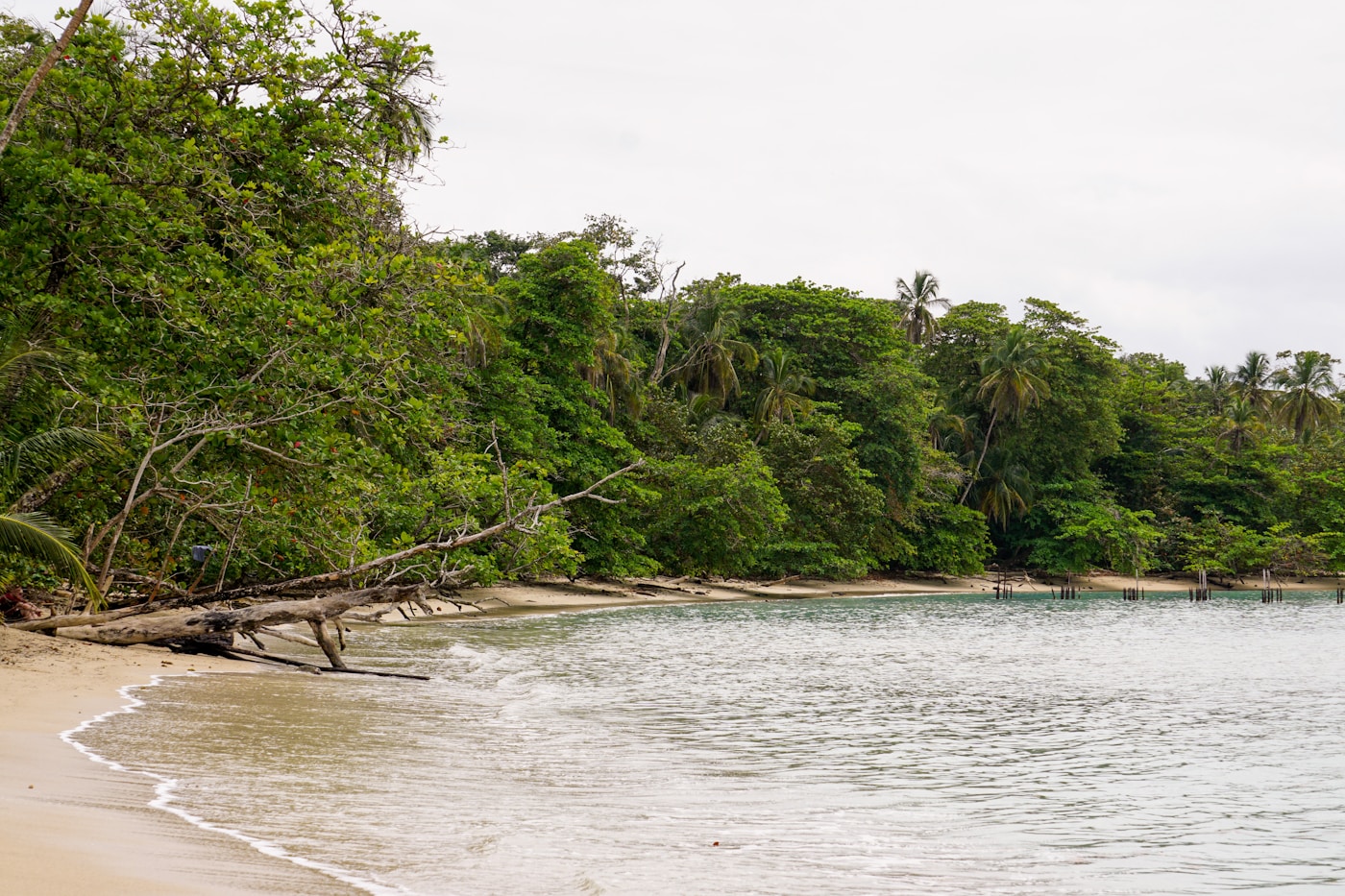 📍 93 km 🦥 Poison Dart Frog & Sloth Rainforest