
Brown Jay
Psilorhinus morio
- KingdomAnimalia (Animals)
- PhylumChordata (Cordats)
- ClassAves (Aus)
- OrderPasseriformes
- FamilyCorvidae (Còrvids)
- GenusPsilorhinus
- SpeciesPsilorhinus morio (Brown Jay)
The brown jay (Cyanocorax morio) is a large jay native to Central America and southern Texas. Wikipedia →
40–50% of wildlife watchers report a Brown Jay sighting in Montes Azules Biosphere Reserve, based on 434 days of visitor records from GBIF citizen-science data.
Closest Relatives at Montes Azules Biosphere Reserve

Green Jay
Cyanocorax yncas

Magnolia Warbler
Setophaga magnolia

American Redstart
Setophaga ruticilla

Social Flycatcher
Myiozetetes similis

Black-and-white Warbler
Mniotilta varia

Melodious Blackbird
Dives dives

Spot-breasted Wren
Pheugopedius maculipectus
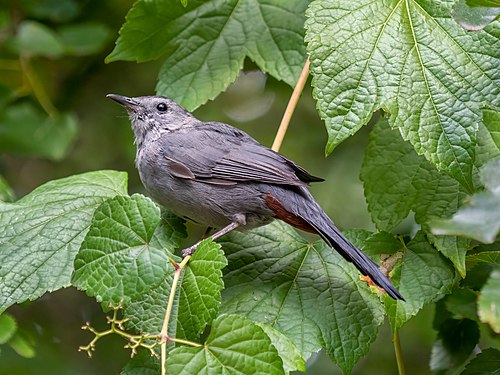
Gray Catbird
Dumetella carolinensis

Summer Tanager
Piranga rubra

Yellow Warbler
Setophaga petechia

Baltimore Oriole
Icterus galbula

Clay-colored Thrush
Turdus grayi
📅 Monthly Probability
☀️ When They're Spotted
Most active during daytime hours (6am–6pm) · across all parks (global)
Global Distribution
Where this species is recorded worldwide. Restricted to human observations from 2019 onwards — the same kind of record and the same period the probabilities on this page are built from, so collar-tracking studies, camera-trap arrays and museum specimens are excluded. Around Santa Rosa that removes 5,924 GPS fixes from a handful of tagged jaguars.
where this species is recorded (GBIF density — it tracks where observers go, not how likely a sighting is) · parks where it occurs — tap a pin for the sighting probability there
Parks Where Found
Quick answers
What are the chances of seeing a Brown Jay in Montes Azules Biosphere Reserve?
About 46% of wildlife watchers report a Brown Jay sighting in Montes Azules Biosphere Reserve, based on 434 days of visitor records from GBIF citizen-science data.
When is the best time to see Brown Jay in Montes Azules Biosphere Reserve?
December has the highest sighting rate for Brown Jay in Montes Azules Biosphere Reserve in our monthly data.