


Hen Harrier
Circus cyaneus
- KingdomAnimalia (Animals)
- PhylumChordata (Cordats)
- ClassAves (Aus)
- OrderAccipitriformes
- FamilyAccipitridae (Accipítrids)
- GenusCircus (Harriers)
- SpeciesCircus cyaneus (Hen Harrier)
The hen harrier (Circus cyaneus) is a bird of prey. It breeds in open areas such as marshes and grasslands in Eurasia and is migratory, moving further south outside of the breeding season. Birds in milder regions, such as France and Great Britain, may be resident year-round, but the higher altitudes are largely deserted in winter. The species is sexually dimorphic; males are smaller and mostly grey and white with black wingtips, whereas females average larger and are predominantly brown and have buff underparts with brown barring. Both sexes have a white rump patch, although it is more noticeable on females and juveniles. The term "hen harrier" refers to its former habit of preying on free-ranging fowl. Wikipedia →
Closest Relatives at Bastimentos Island National Marine Park

Common Black-Hawk
Buteogallus anthracinus

Roadside Hawk
Rupornis magnirostris

Double-toothed Kite
Harpagus bidentatus

Broad-winged Hawk
Buteo platypterus

Short-tailed Hawk
Buteo brachyurus

Plumbeous Kite
Ictinia plumbea
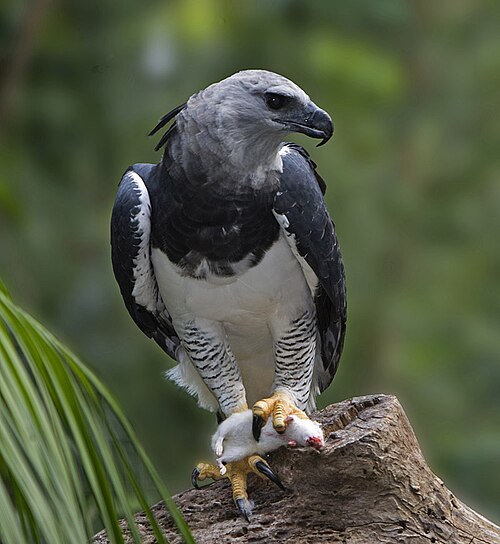
Harpy Eagle
Harpia harpyja

Swainson's Hawk
Buteo swainsoni

Semiplumbeous Hawk
Leucopternis semiplumbeus

Black Hawk-Eagle
Spizaetus tyrannus

Gray-headed Kite
Leptodon cayanensis

Snail Kite
Rostrhamus sociabilis
📅 Monthly Probability
Fewer than 5 records of Hen Harrier at Bastimentos Island National Marine Park — not enough to chart months honestly.
☀️ When They're Spotted
Most active during daytime hours (6am–6pm) · across all parks (global)
Global Distribution
Where this species is recorded worldwide. Restricted to human observations from 2019 onwards — the same kind of record and the same period the probabilities on this page are built from, so collar-tracking studies, camera-trap arrays and museum specimens are excluded. Around Santa Rosa that removes 5,924 GPS fixes from a handful of tagged jaguars.
where this species is recorded (GBIF density — it tracks where observers go, not how likely a sighting is) · parks where it occurs — tap a pin for the sighting probability there