Chitwan National Park
🇳🇵 Nepal
🦏 Rhinoceros Roaming Chitwan's WetlandsChitwan National Park is a tropical savanna set in the low‑lying Terai region of southern Nepal, just below the Himalaya foothills. Rolling grasslands, dense riverine forest and the meandering Narayani River create a mosaic of habitats that differ sharply from the alpine parks of the north.
27.462° N 84.631° E
Wildlife
⭐ Iconic Species
 ★
★ Great Indian Rhinoceros
Rhinoceros unicornis
 ★
★ Tiger
Panthera tigris
 ★
★ Gharial
Gavialis gangeticus
 ★
★ Axis Deer
Axis axis
📊 Most Spotted
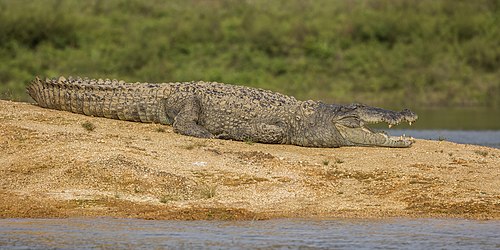
Mugger Crocodile
Crocodylus palustris

White-throated Kingfisher
Halcyon smyrnensis

Pearl-necked Dove
Spilopelia chinensis

Black Drongo
Dicrurus macrocercus

Indian Pond Heron
Ardeola grayii

Large-billed Crow
Corvus macrorhynchos

Common Peafowl
Pavo cristatus

Little Cormorant
Microcarbo niger

Red-naped Ibis
Pseudibis papillosa

Red-wattled Lapwing
Vanellus indicus

Rufous Treepie
Dendrocitta vagabunda

Rhesus Macaque
Macaca mulatta
⭐ Iconic Species
★ Great Indian Rhinoceros
Rhinoceros unicornis
★ Tiger
Panthera tigris
★ Axis Deer
Axis axis
📊 Most Spotted
Rhesus Macaque
Macaca mulatta

Sambar
Rusa unicolor

Wild Boar
Sus scrofa

Hog Deer
Axis porcinus

Sloth Bear
Melursus ursinus

Asian Elephant
Elephas maximus

Himalayan Langur
Semnopithecus schistaceus

Indian Muntjac
Muntiacus muntjak

Asian Jackal
Canis aureus

Gaur
Bos frontalis

Indian Gray Mongoose
Herpestes edwardsi

Northern Palm Squirrel
Funambulus pennantii
📊 Most Spotted
White-throated Kingfisher
Halcyon smyrnensis
Pearl-necked Dove
Spilopelia chinensis
Black Drongo
Dicrurus macrocercus
Indian Pond Heron
Ardeola grayii
Large-billed Crow
Corvus macrorhynchos
Common Peafowl
Pavo cristatus
Little Cormorant
Microcarbo niger
Red-naped Ibis
Pseudibis papillosa
Red-wattled Lapwing
Vanellus indicus
Rufous Treepie
Dendrocitta vagabunda

Long-tailed Shrike
Lanius schach

Black-hooded Oriole
Oriolus xanthornus
⭐ Iconic Species
📊 Most Spotted
Mugger Crocodile
Crocodylus palustris

Bengal Monitor
Varanus bengalensis

Burmese Python
Python bivittatus

Oriental Garden Lizard
Calotes versicolor

Indian Softshell Turtle
Nilssonia gangetica

Common House Gecko
Hemidactylus frenatus

Chequered Keelback
Fowlea piscator

Dhaman
Ptyas mucosa

Indian Black Turtle
Melanochelys trijuga

Trinket Snake
Coelognathus helena

Indian Cobra
Naja naja

Northern House Gecko
Hemidactylus flaviviridis


Animal Events
Sloth Bear Foraging
During the drier cooler months leading into spring, sloth bears are frequently seen scouring the forest floor for termites and fallen fruits.
Riverine Marsh Crocodile Basking
As winter transitions to spring, mugger crocodiles and gharials regularly haul out onto sandy riverbanks to absorb solar heat.
Monsoon Bird Breeding Season
The arrival of the monsoon brings lush vegetation and insect abundance, triggering peak breeding plumage and vocalizations among resident avian species.
Sighting Calendar
Chance of spotting each species, month by month
Sighting Zones
Warm areas are where all species together are recorded most, so they track where people go as much as where animals are. For one species, see the map on its own page.
Where Wildlife Score
How good is this park for seeing wildlife?Biodiversity
ExcellentHow rich is the wildlife?
Sighting
ExcellentHow likely to see animals?
Quick answers
What animals can you see in Chitwan National Park?
The most likely sightings are Great Indian Rhinoceros (seen by 80–90% of wildlife watchers), Axis Deer (seen by 70–80% of wildlife watchers), Gharial (seen by 70–80% of wildlife watchers), Mugger Crocodile (seen by 70–80% of wildlife watchers), White-throated Kingfisher (seen by 70–80% of wildlife watchers) — among 1262 recorded vertebrate species, based on citizen-science data from GBIF.
When is the best time to visit Chitwan National Park for wildlife?
November has the highest combined sighting rate for the park's top species in our month-by-month GBIF data. The full sighting calendar on this page shows each species' best months.
Can you see Great Indian Rhinoceros in Chitwan National Park?
Yes — about 88% of wildlife watchers report a Great Indian Rhinoceros sighting in Chitwan National Park, based on 259 days of visitor records from GBIF citizen-science data.
Can you see Tiger in Chitwan National Park?
Yes — about 37% of wildlife watchers report a Tiger sighting in Chitwan National Park, based on 28 days of visitor records from GBIF citizen-science data.
Can you see Gharial in Chitwan National Park?
Yes — about 77% of wildlife watchers report a Gharial sighting in Chitwan National Park, based on 146 days of visitor records from GBIF citizen-science data.
Can you see Axis Deer in Chitwan National Park?
Yes — about 79% of wildlife watchers report a Axis Deer sighting in Chitwan National Park, based on 162 days of visitor records from GBIF citizen-science data.