


Lesser Grey Shrike
Lanius minor
- KingdomAnimalia (Animals)
- PhylumChordata (Cordats)
- ClassAves (Aus)
- OrderPasseriformes
- FamilyLaniidae (Shrikes)
- GenusLanius (Typical Shrikes)
- SpeciesLanius minor (Lesser Grey Shrike)
The lesser grey shrike (Lanius minor) is a passerine bird in the shrike family Laniidae. It breeds in South and Central Europe and western Asia and migrates to winter quarters in southern Africa in the early autumn, returning in spring. It is a scarce vagrant to western Europe, including Great Britain, usually as a spring or autumn erratic. It is similar in appearance to the great grey shrike (Lanius excubitor) and the Iberian grey shrike (Lanius meridionalis); both sexes are predominantly black, white and grey, and males have pink-flushed underparts. It is slightly smaller than the great grey shrike, and has a black forehead and relatively longer wings. This species prefers dry open lowlands and is often seen on telephone wires. Wikipedia →
Closest Relatives at Wadden Sea National Park

Brown Shrike
Lanius cristatus

Red-backed Shrike
Lanius collurio

Great Grey Shrike
Lanius excubitor

Isabelline Shrike
Lanius isabellinus

Woodchat Shrike
Lanius senator

Carrion Crow
Corvus corone

Eurasian Blackbird
Turdus merula

European Starling
Sturnus vulgaris

Great Tit
Parus major

Chaffinch
Fringilla coelebs
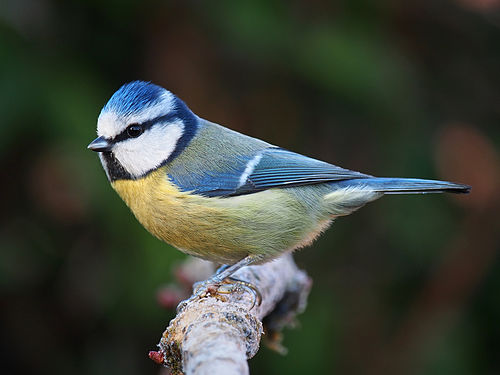
Blue Tit
Cyanistes caeruleus

European Robin
Erithacus rubecula
📅 Monthly Probability
Fewer than 5 records of Lesser Grey Shrike at Wadden Sea National Park — not enough to chart months honestly.
☀️ When They're Spotted
Most active during daytime hours (6am–6pm) · across all parks (global)
Global Distribution
Where this species is recorded worldwide. Restricted to human observations from 2019 onwards — the same kind of record and the same period the probabilities on this page are built from, so collar-tracking studies, camera-trap arrays and museum specimens are excluded. Around Santa Rosa that removes 5,924 GPS fixes from a handful of tagged jaguars.
where this species is recorded (GBIF density — it tracks where observers go, not how likely a sighting is) · parks where it occurs — tap a pin for the sighting probability there