


Blackcap
Sylvia atricapilla
- KingdomAnimalia (Animals)
- PhylumChordata (Cordats)
- ClassAves (Aus)
- OrderPasseriformes
- FamilySylviidae (Sylviid Warblers and Allies)
- GenusSylvia
- SpeciesSylvia atricapilla (Blackcap)
The Eurasian blackcap (Sylvia atricapilla) is a bird usually known simply as the blackcap. It is a common and widespread warbler. It has mainly olive-grey upperparts and pale grey underparts, and differences across the five subspecies are small. Both sexes have a neat coloured cap to the head, black in the male and reddish-brown in the female. The male's typical song is a rich musical warbling, often ending in a loud high-pitched crescendo, but a simpler song is given in some isolated areas, such as valleys in the Alps. The blackcap's closest relative is the garden warbler, which looks quite different but has a similar song. Wikipedia →
30–40% of wildlife watchers report a Blackcap sighting in Monfragüe National Park, based on 1,664 days of visitor records from GBIF citizen-science data.
Closest Relatives at Monfragüe National Park

Dartford Warbler
Sylvia undata

Orphean Warbler
Sylvia hortensis

Spectacled Warbler
Sylvia conspicillata

Whitethroat
Sylvia communis

Garden Warbler
Sylvia borin

Sardinian Warbler
Curruca melanocephala

Western Subalpine Warbler
Curruca iberiae

Spotless Starling
Sturnus unicolor

Eurasian Blackbird
Turdus merula

Chaffinch
Fringilla coelebs

European Serin
Serinus serinus
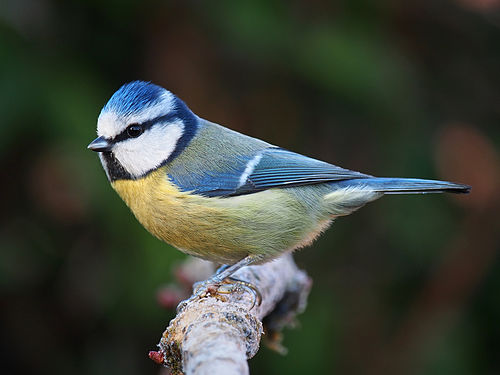
Blue Tit
Cyanistes caeruleus
📅 Monthly Probability
☀️ When They're Spotted
Most active during daytime hours (6am–6pm) · across all parks (global)
Global Distribution
Where this species is recorded worldwide. Restricted to human observations from 2019 onwards — the same kind of record and the same period the probabilities on this page are built from, so collar-tracking studies, camera-trap arrays and museum specimens are excluded. Around Santa Rosa that removes 5,924 GPS fixes from a handful of tagged jaguars.
where this species is recorded (GBIF density — it tracks where observers go, not how likely a sighting is) · parks where it occurs — tap a pin for the sighting probability there
Parks Where Found
Quick answers
What are the chances of seeing a Blackcap in Monfragüe National Park?
About 33% of wildlife watchers report a Blackcap sighting in Monfragüe National Park, based on 1,664 days of visitor records from GBIF citizen-science data.
When is the best time to see Blackcap in Monfragüe National Park?
October has the highest sighting rate for Blackcap in Monfragüe National Park in our monthly data.