


Eurasian Tree Sparrow
Passer montanus
- KingdomAnimalia (Animals)
- PhylumChordata (Cordats)
- ClassAves (Aus)
- OrderPasseriformes
- FamilyPasseridae (Passèrids)
- GenusPasser (True Sparrows)
- SpeciesPasser montanus (Eurasian Tree Sparrow)
The tree sparrow (Passer montanus Latin pronunciation: [pas.ser mon.ta.nus]) is a passerine bird in the sparrow family with a rich chestnut crown and nape and a black patch on each pure white cheek. The sexes have similar plumage, and young birds are duller versions of the adult. This sparrow breeds across much of temperate Eurasia and Southeast Asia and has been introduced elsewhere, including the United States, where it is known as the Eurasian tree sparrow or German sparrow to differentiate it from the native American tree sparrow. Although several subspecies are recognised, the appearance of this bird varies little across its extensive range. The untidy nest of the tree sparrow is built in a natural cavity, a hole in a building, or the disused nest of a European magpie or white stork. The typical clutch is five or six eggs, which hatch in under two weeks. Wikipedia →
Closest Relatives at Cévennes National Park

Rock Petronia
Petronia petronia

White-winged Snowfinch
Montifringilla nivalis

Chaffinch
Fringilla coelebs

Great Tit
Parus major

Eurasian Blackbird
Turdus merula

Carrion Crow
Corvus corone

European Robin
Erithacus rubecula

Blackcap
Sylvia atricapilla
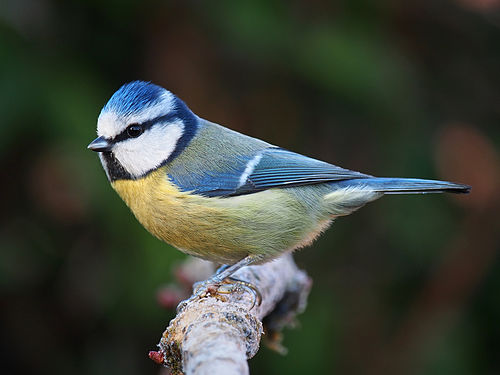
Blue Tit
Cyanistes caeruleus

Black Redstart
Phoenicurus ochruros

Eurasian Jay
Garrulus glandarius

Eurasian Crag Martin
Ptyonoprogne rupestris
📅 Monthly Probability
Fewer than 5 records of Eurasian Tree Sparrow at Cévennes National Park — not enough to chart months honestly.
☀️ When They're Spotted
Most active during daytime hours (6am–6pm) · across all parks (global)
Global Distribution
Where this species is recorded worldwide. Restricted to human observations from 2019 onwards — the same kind of record and the same period the probabilities on this page are built from, so collar-tracking studies, camera-trap arrays and museum specimens are excluded. Around Santa Rosa that removes 5,924 GPS fixes from a handful of tagged jaguars.
where this species is recorded (GBIF density — it tracks where observers go, not how likely a sighting is) · parks where it occurs — tap a pin for the sighting probability there