Ba Be National Park
🇻🇳 Vietnam
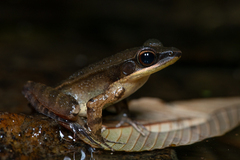
🐸 Vietnam Spadefoot Toad Monsoon ChorusNestled in northern Vietnam, Ba Be National Park is a protected tropical rainforest featuring rugged limestone mountains, dense evergreen vegetation, and a massive central freshwater lake. Visitors walk through thick jungle foliage and steep mountain trails shaded by ancient trees.
12.214° N 108.503° E
Wildlife
⭐ Iconic Species
 ★
★ Vietnam Spadefoot Toad
Leptobrachium pullum
 ★
★ Formosa Slug Snake
Pareas formosensis
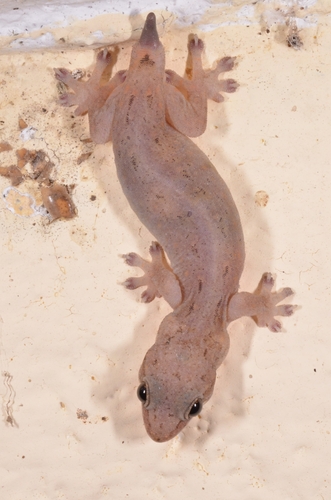 ★
★ Da Lat Slender Gecko
Hemiphyllodactylus dalatensis
 ★
★ White-cheeked Laughingthrush
Garrulax vassali
📊 Most Spotted

Mountain Fulvetta
Alcippe peracensis

Large Niltava
Niltava grandis

Chestnut-vented Nuthatch
Sitta nagaensis

Green-backed Tit
Parus monticolus

White-tailed Robin
Myiomela leucura

Mrs Gould's Sunbird
Aethopyga gouldiae

Grey-bellied Tesia
Tesia cyaniventer
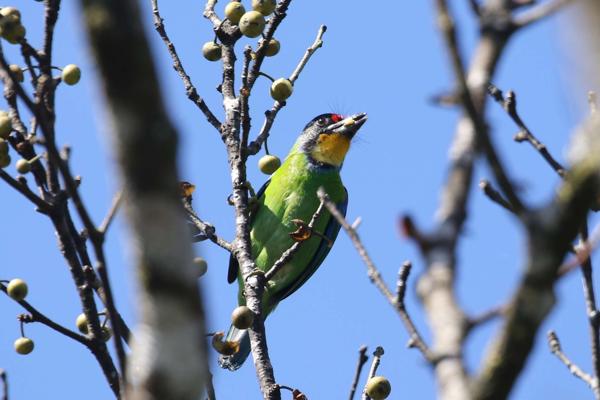
Golden-throated Barbet (Violet-eared)
Psilopogon auricularis

Spot-legged Tree Frog
Polypedates megacephalus
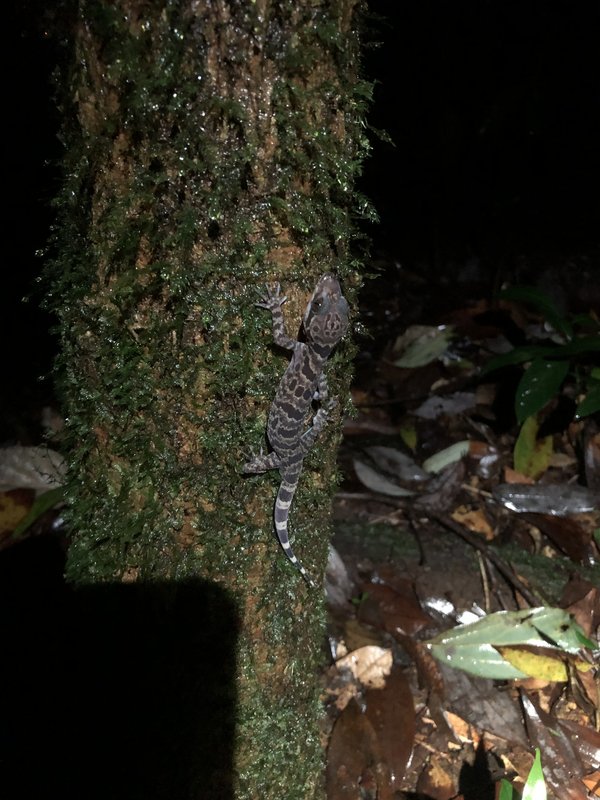
Mount Bidoup Bent-toed Gecko
Cyrtodactylus bidoupimontis
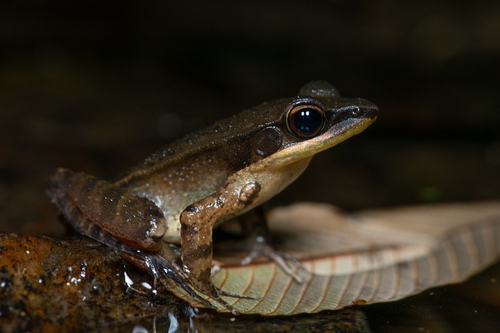
Dalat Frog
Indosylvirana milleti

Snowy-browed Flycatcher
Ficedula hyperythra
📊 Most Spotted

Asian Red-cheeked Squirrel
Dremomys rufigenis

Maritime Striped Squirrel
Tamiops maritimus

Northern Treeshrew
Tupaia belangeri

Indian Giant Flying Squirrel
Petaurista philippensis

Small-toothed Palm Civet
Arctogalidia trivirgata

Pencil-tailed Tree Mouse
Chiropodomys gliroides
Small-toothed Mole
Euroscaptor parvidens

Exotic Leaf-nosed Bat
Hipposideros gentilis

Malayan Porcupine
Hystrix brachyura

Indian Muntjac
Muntiacus muntjak

Masked Palm Civet
Paguma larvata

Common Palm Civet
Paradoxurus hermaphroditus
⭐ Iconic Species
📊 Most Spotted
Mountain Fulvetta
Alcippe peracensis
Large Niltava
Niltava grandis
Chestnut-vented Nuthatch
Sitta nagaensis
Green-backed Tit
Parus monticolus
White-tailed Robin
Myiomela leucura
Mrs Gould's Sunbird
Aethopyga gouldiae
Grey-bellied Tesia
Tesia cyaniventer
Golden-throated Barbet (Violet-eared)
Psilopogon auricularis
Snowy-browed Flycatcher
Ficedula hyperythra

White-throated Fantail
Rhipidura albicollis

Ashy Drongo
Dicrurus leucophaeus

Black-throated Tit
Aegithalos concinnus
⭐ Iconic Species
📊 Most Spotted
Mount Bidoup Bent-toed Gecko
Cyrtodactylus bidoupimontis

Vogel’s Pit Viper
Trimeresurus vogeli

Big-eyed Bamboo Snake
Pseudoxenodon macrops

Common Mock Viper
Psammodynastes pulverulentus

Crowned Pricklenape
Acanthosaura coronata

Tai-yong Keelback
Hebius boulengeri

Black-banded Trinket Snake
Oreocryptophis porphyraceus

Banded Wolf Snake
Lycodon fasciatus
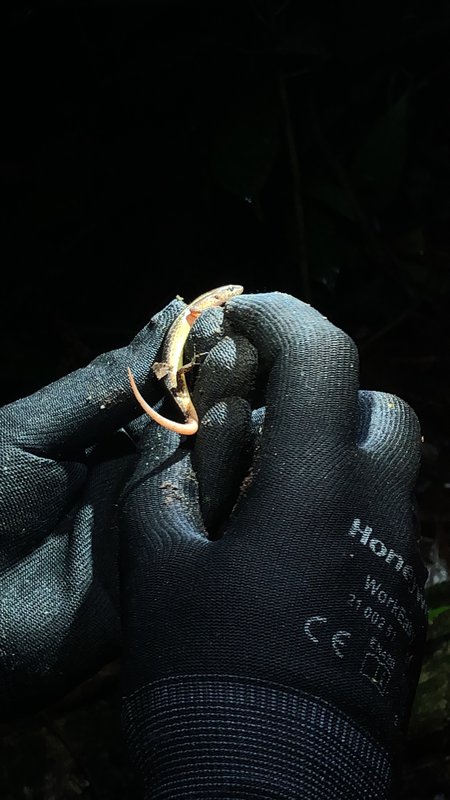
Yersin's Forest Skink
Sphenomorphus yersini

Blue Krait
Bungarus candidus

Collared Reed Snake
Calamaria pavimentata

Asian Gliding Lizard
Draco maculatus
⭐ Iconic Species
📊 Most Spotted
Spot-legged Tree Frog
Polypedates megacephalus
Dalat Frog
Indosylvirana milleti
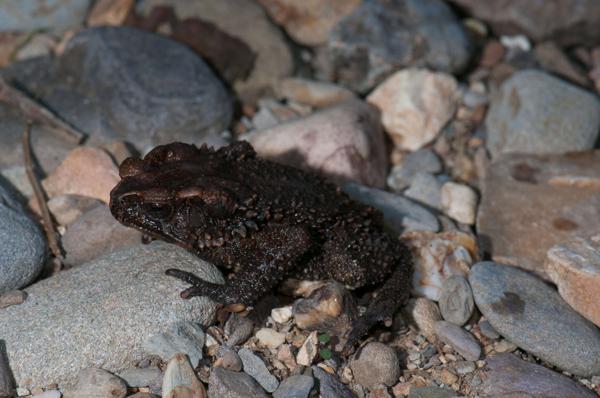
Bony-headed Toad
Ingerophrynus galeatus

Belly-Spotted Frog
Kurixalus baliogaster
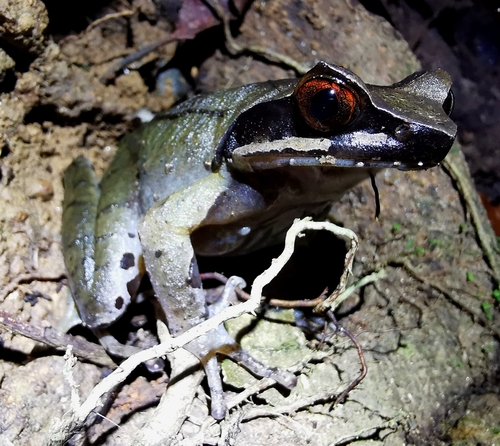
Truong Son Horned Toad
Xenophrys truongsonensis
Southern Big Eye
Odorrana banaorum

Butler's Ricefrog
Microhyla butleri
Elfin Mountain Toad
Megophrys elfina

Pine Narrow-Mouth Frog
Microhyla pineticola

Vampire Flying Frog
Rhacophorus vampyrus
Vietnam Rice Frog
Microhyla annamensis
Greenish Frilled Treefrog
Kurixalus viridescens
Animal Events
Monsoon Breeding Chorus of the Vietnam Spadefoot Toad
With the arrival of heavy monsoon rains, the Vietnam Spadefoot Toad emerges in large numbers to congregate at temporary forest pools, engaging in loud nocturnal calling choruses and spawning.
Summer Slug-Hunting Activity of the Formosa Slug Snake
Humid summer nights trigger active foraging behavior in the Formosa Slug Snake, which glides silently across limestone rocks and damp leaf litter to hunt land snails.
Winter Foraging of the White-cheeked Laughingthrush
During the cooler winter months, the White-cheeked Laughingthrush forms tight-knit social flocks that sweep systematically through the mid-story vegetation in search of insects and fallen seeds.
Sighting Calendar
Chance of spotting each species, month by month
Sighting Zones
Warm areas are where all species together are recorded most, so they track where people go as much as where animals are. For one species, see the map on its own page.
Where Wildlife Score
How good is this park for seeing wildlife?Biodiversity
Very goodHow rich is the wildlife?
Sighting
GoodHow likely to see animals?
Quick answers
What animals can you see in Ba Be National Park?
The most likely sightings are Mountain Fulvetta (seen by 60–70% of wildlife watchers), Large Niltava (seen by 50–60% of wildlife watchers), Chestnut-vented Nuthatch (seen by 50–60% of wildlife watchers), Vietnam Spadefoot Toad (seen by 50–60% of wildlife watchers), Green-backed Tit (seen by 50–60% of wildlife watchers) — among 991 recorded vertebrate species, based on citizen-science data from GBIF.
When is the best time to visit Ba Be National Park for wildlife?
November has the highest combined sighting rate for the park's top species in our month-by-month GBIF data. The full sighting calendar on this page shows each species' best months.
Can you see Vietnam Spadefoot Toad in Ba Be National Park?
Yes — about 56% of wildlife watchers report a Vietnam Spadefoot Toad sighting in Ba Be National Park, based on 26 days of visitor records from GBIF citizen-science data.
Can you see Formosa Slug Snake in Ba Be National Park?
Yes — about 49% of wildlife watchers report a Formosa Slug Snake sighting in Ba Be National Park, based on 20 days of visitor records from GBIF citizen-science data.
Can you see Da Lat Slender Gecko in Ba Be National Park?
Yes — about 47% of wildlife watchers report a Da Lat Slender Gecko sighting in Ba Be National Park, based on 18 days of visitor records from GBIF citizen-science data.
Can you see White-cheeked Laughingthrush in Ba Be National Park?
Yes — about 36% of wildlife watchers report a White-cheeked Laughingthrush sighting in Ba Be National Park, based on 9 days of visitor records from GBIF citizen-science data.


