


Eurasian Curlew
Numenius arquata
- KingdomAnimalia (Animals)
- PhylumChordata (Cordats)
- ClassAves (Aus)
- OrderCharadriiformes (Caradriformes)
- FamilyScolopacidae (Sandpipers and Allies)
- GenusNumenius (Curlews)
- SpeciesNumenius arquata (Eurasian Curlew)
The Eurasian curlew or common curlew (Numenius arquata) is a very large wader in the family Scolopacidae. It is one of the most widespread of the curlews, breeding across temperate Europe and Asia. In Europe, this species is often referred to just as the "curlew", and in Scotland known as the "whaup" in Scots. Wikipedia →
60–70% of wildlife watchers report a Eurasian Curlew sighting in Sundarbans National Park, based on 608 days of visitor records from GBIF citizen-science data.
Closest Relatives at Sundarbans National Park

Whimbrel
Numenius phaeopus
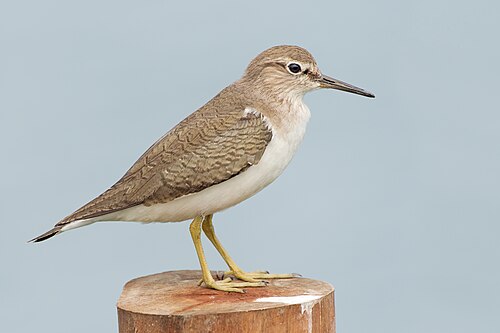
Common Sandpiper
Actitis hypoleucos

Common Redshank
Tringa totanus

Terek Sandpiper
Xenus cinereus

Common Greenshank
Tringa nebularia

Green Sandpiper
Tringa ochropus

Wood Sandpiper
Tringa glareola

Curlew Sandpiper
Calidris ferruginea

Little Stint
Calidris minuta

Temminck's Stint
Calidris temminckii

Sanderling
Calidris alba

Common Snipe
Gallinago gallinago
📅 Monthly Probability
☀️ When They're Spotted
Most active during daytime hours (6am–6pm) · across all parks (global)
Global Distribution
Where this species is recorded worldwide. Restricted to human observations from 2019 onwards — the same kind of record and the same period the probabilities on this page are built from, so collar-tracking studies, camera-trap arrays and museum specimens are excluded. Around Santa Rosa that removes 5,924 GPS fixes from a handful of tagged jaguars.
where this species is recorded (GBIF density — it tracks where observers go, not how likely a sighting is) · parks where it occurs — tap a pin for the sighting probability there
Parks Where Found
Quick answers
What are the chances of seeing a Eurasian Curlew in Sundarbans National Park?
About 60% of wildlife watchers report a Eurasian Curlew sighting in Sundarbans National Park, based on 608 days of visitor records from GBIF citizen-science data.
When is the best time to see Eurasian Curlew in Sundarbans National Park?
November has the highest sighting rate for Eurasian Curlew in Sundarbans National Park in our monthly data.