Wilpattu National Park
🇱🇰 Sri Lanka
🐆 Leopards Rest Beside the VillusWilpattu National Park is a protected tropical dry forest situated on the northwest coast of Sri Lanka. The landscape differs from neighboring reserves through its network of natural, sand-rimmed water basins called *villus*, which fill with rainwater and sustain the surrounding dense woodland and scrub.
8.386° N 80.021° E
Wildlife
⭐ Iconic Species
 ★
★ Leopard
Panthera pardus
 ★
★ Axis Deer
Axis axis
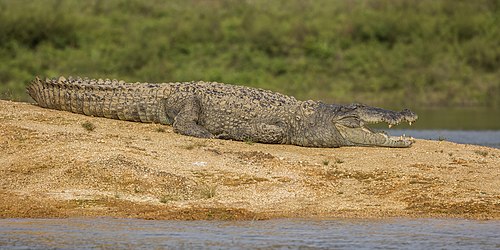 ★
★ Mugger Crocodile
Crocodylus palustris
 ★
★ Asian Elephant
Elephas maximus
📊 Most Spotted

Common Peafowl
Pavo cristatus

Pearl-necked Dove
Spilopelia chinensis

Bengal Monitor
Varanus bengalensis

White-throated Kingfisher
Halcyon smyrnensis

Asian Green Bee-eater
Merops orientalis

Toque Macaque
Macaca sinica

Red-wattled Lapwing
Vanellus indicus

Sri Lanka Junglefowl
Gallus lafayettii

Ruddy Mongoose
Herpestes smithii

Sloth Bear
Melursus ursinus

Rose-ringed Parakeet
Psittacula krameri

Malabar Pied Hornbill
Anthracoceros coronatus
⭐ Iconic Species
★ Leopard
Panthera pardus
★ Axis Deer
Axis axis
★ Asian Elephant
Elephas maximus
📊 Most Spotted
Toque Macaque
Macaca sinica
Ruddy Mongoose
Herpestes smithii
Sloth Bear
Melursus ursinus

Tufted Langur
Semnopithecus priam

Asian Jackal
Canis aureus

Wild Water Buffalo
Bubalus arnee

Sambar
Rusa unicolor

Wild Boar
Sus scrofa

Indian Hare
Lepus nigricollis

Indian Palm Squirrel
Funambulus palmarum

Indian Muntjac
Muntiacus muntjak

Sri Lankan Giant Squirrel
Ratufa macroura
📊 Most Spotted
Common Peafowl
Pavo cristatus
Pearl-necked Dove
Spilopelia chinensis
White-throated Kingfisher
Halcyon smyrnensis
Asian Green Bee-eater
Merops orientalis
Red-wattled Lapwing
Vanellus indicus
Sri Lanka Junglefowl
Gallus lafayettii
Rose-ringed Parakeet
Psittacula krameri
Malabar Pied Hornbill
Anthracoceros coronatus

Oriental Darter
Anhinga melanogaster

Indian Pond Heron
Ardeola grayii

Brahminy Kite
Haliastur indus

Painted Stork
Mycteria leucocephala
⭐ Iconic Species
📊 Most Spotted
Bengal Monitor
Varanus bengalensis

Oriental Garden Lizard
Calotes versicolor

Indian Star Tortoise
Geochelone elegans

Sri Lankan Flapshell Turtle
Lissemys ceylonensis

Bark Gecko
Hemidactylus leschenaultii

Indian Black Turtle
Melanochelys trijuga

Ceylon Bloodsucker
Calotes ceylonensis

Common House Gecko
Hemidactylus frenatus

Common Green Forest Lizard
Calotes calotes

Devaka’s Fan-throated Lizard
Sitana devakai

Hambegamuwa Sun Skink
Eutropis lankae

Green Vine Snake
Ahaetulla nasuta
📊 Most Spotted

Chunam Tree Frog
Polypedates maculatus

Common skittering frog
Euphlyctis cyanophlyctis

Indian Five-Fingered Frog
Euphlyctis hexadactylus

Rohan's Globular Frog
Uperodon rohani

Common Indian Cricket Frog
Minervarya agricola

Common Hourglass Tree Frog
Polypedates cruciger

Common Indian Toad
Duttaphrynus melanostictus

Sri Lanka wood frog
Hydrophylax gracilis

Jerdon's Bullfrog
Hoplobatrachus crassus

Sri Lankan Bullfrog
Uperodon taprobanicus

Ornate Narrow-mouthed Toad
Microhyla ornata

Schneider's Toad
Duttaphrynus scaber
Animal Events
Leopard Tracking Safaris
Wilpattu offers one of the highest leopard sighting probabilities in Sri Lanka, with frequent sightings near natural waterholes ('Villu') and dense scrublands.
Monsoon Wildlife Spectacle
The southwest monsoon transforms Wilpattu into a lush, vibrant landscape, attracting herds of Asian elephants and increasing leopard activity near water sources.
Villu Birdwatching Extravaganza
The park's natural lakes ('Villu') become bustling hubs for migratory and resident birds, including rare species like the Painted Stork and Oriental Darter.
Sighting Calendar
Chance of spotting each species, month by month
Sighting Zones
Warm areas are where all species together are recorded most, so they track where people go as much as where animals are. For one species, see the map on its own page.
Where Wildlife Score
How good is this park for seeing wildlife?Biodiversity
GoodHow rich is the wildlife?
Sighting
ExcellentHow likely to see animals?
Quick answers
What animals can you see in Wilpattu National Park?
The most likely sightings are Axis Deer (seen by 80–90% of wildlife watchers), Common Peafowl (seen by 80–90% of wildlife watchers), Pearl-necked Dove (seen by 80–90% of wildlife watchers), Bengal Monitor (seen by 80–90% of wildlife watchers), White-throated Kingfisher (seen by 80–90% of wildlife watchers) — among 662 recorded vertebrate species, based on citizen-science data from GBIF.
When is the best time to visit Wilpattu National Park for wildlife?
May has the highest combined sighting rate for the park's top species in our month-by-month GBIF data. The full sighting calendar on this page shows each species' best months.
Can you see Leopard in Wilpattu National Park?
Yes — about 76% of wildlife watchers report a Leopard sighting in Wilpattu National Park, based on 79 days of visitor records from GBIF citizen-science data.
Can you see Axis Deer in Wilpattu National Park?
Yes — about 85% of wildlife watchers report a Axis Deer sighting in Wilpattu National Park, based on 122 days of visitor records from GBIF citizen-science data.
Can you see Mugger Crocodile in Wilpattu National Park?
Yes — about 76% of wildlife watchers report a Mugger Crocodile sighting in Wilpattu National Park, based on 80 days of visitor records from GBIF citizen-science data.
Can you see Asian Elephant in Wilpattu National Park?
Yes — about 70% of wildlife watchers report a Asian Elephant sighting in Wilpattu National Park, based on 63 days of visitor records from GBIF citizen-science data.


