Sinharaja Forest Reserve
🇱🇰 Sri Lanka
🦜 Sri Lanka's Best Ceylon Hanging-Parrot HavenSinharaja Forest Reserve is a dense tropical rainforest located in the southwestern wet zone of Sri Lanka. Towering dipterocarp trees, tangled vines, and damp leaf litter create a humid, multi-layered jungle canopy where muddy footpaths wind through thick vegetation. This ancient wilderness differs from dry-zone parks through its sheer density of endemic plant life and perpetual moisture, making it a crucial sanctuary for moisture-loving reptiles and amphibians.
6.442° N 80.364° E
Wildlife
⭐ Iconic Species
 ★
★ Ceylon Pit Viper
Craspedocephalus trigonocephalus
 ★
★ Wiegmann's Agama
Otocryptis wiegmanni
 ★
★ Common Hourglass Tree Frog
Polypedates cruciger
📊 Most Spotted

Common Green Forest Lizard
Calotes calotes

Square-tailed Bulbul
Hypsipetes ganeesa

Ceylon Hanging-Parrot
Loriculus beryllinus

Yellow-fronted Barbet
Psilopogon flavifrons

Green Vine Snake
Ahaetulla nasuta

Hump Snout Lizard
Lyriocephalus scutatus

Orange-billed Babbler
Turdoides rufescens

Pearl-necked Dove
Spilopelia chinensis

Sri Lanka Drongo
Dicrurus lophorinus

White-bellied Drongo
Dicrurus caerulescens

Orange Minivet
Pericrocotus flammeus

Asian Emerald Dove
Chalcophaps indica
📊 Most Spotted

Purple-faced Lutung
Semnopithecus vetulus

Indian Palm Squirrel
Funambulus palmarum

Layard's Palm Squirrel
Funambulus layardi

Toque Macaque
Macaca sinica

Sri Lankan Giant Squirrel
Ratufa macroura

Ruddy Mongoose
Herpestes smithii

Nilgiri Palm Squirrel
Funambulus sublineatus

Red Slender Loris
Loris tardigradus

Schneider's roundleaf bat
Hipposideros speoris

Stripe-necked Mongoose
Herpestes vitticollis

Indian Gray Mongoose
Herpestes edwardsi

Lesser false vampire bat
Megaderma spasma
📊 Most Spotted
Square-tailed Bulbul
Hypsipetes ganeesa
Ceylon Hanging-Parrot
Loriculus beryllinus
Yellow-fronted Barbet
Psilopogon flavifrons
Orange-billed Babbler
Turdoides rufescens
Pearl-necked Dove
Spilopelia chinensis
Sri Lanka Drongo
Dicrurus lophorinus
White-bellied Drongo
Dicrurus caerulescens
Orange Minivet
Pericrocotus flammeus
Asian Emerald Dove
Chalcophaps indica

Black-capped Bulbul
Pycnonotus melanicterus

Ceylon Magpie
Urocissa ornata

Pale-billed Flowerpecker
Dicaeum erythrorhynchos
⭐ Iconic Species
📊 Most Spotted
Common Green Forest Lizard
Calotes calotes
Green Vine Snake
Ahaetulla nasuta
Hump Snout Lizard
Lyriocephalus scutatus

Boulenger's Keelback
Fowlea asperrimus

Lowland Hump-nosed Viper
Hypnale zara

Common Water Monitor
Varanus salvator

Stripe-Tailed Bronzeback
Dendrelaphis caudolineolatus

Ceylon Wolf Snake
Lycodon carinatus
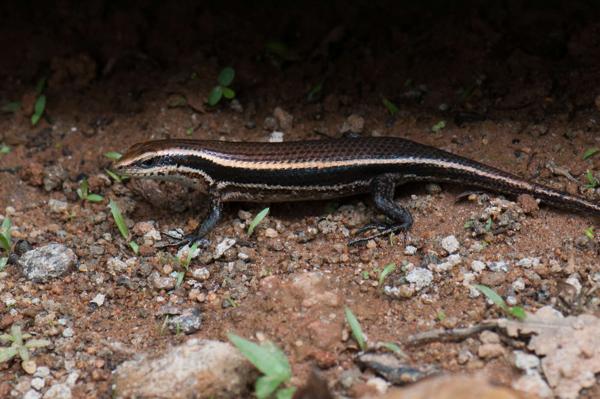
Greer's Mabuya
Eutropis greeri

Sri Lanka Agama
Calotes liolepis

Oriental Garden Lizard
Calotes versicolor

Schokar's bronzeback
Dendrelaphis schokari
⭐ Iconic Species
📊 Most Spotted

Common Indian Toad
Duttaphrynus melanostictus

Günther's Golden-backed Frog
Indosylvirana temporalis

Sharp-snouted Shrub Frog
Pseudophilautus cuspis

Sharp-snout Saddled Tree Frog
Taruga longinasus
Common Shrub Frog
Pseudophilautus popularis

Indian Five-Fingered Frog
Euphlyctis hexadactylus

Common skittering frog
Euphlyctis cyanophlyctis
Schneider's shrub frog
Pseudophilautus schneideri

Corrugated water frog
Lankanectes corrugatus

Sri Lanka rock frog
Nannophrys ceylonensis

Hollow-snouted Shrub Frog
Pseudophilautus cavirostris

Grubby Shrub Frog
Pseudophilautus sordidus
Animal Events
Ceylon Pit Viper breeding season
Increased activity of this endemic viper, often spotted basking on foliage or hunting in the understory.
Monsoon amphibian chorus
Heavy rains trigger explosive breeding of tree frogs and shrub frogs, filling the forest with calls at night.
Endemic reptile foraging trails
High density of endemic reptiles like agamas and skinks foraging along forest paths and stream edges.
Sighting Calendar
Chance of spotting each species, month by month
Sighting Zones
Warm areas are where all species together are recorded most, so they track where people go as much as where animals are. For one species, see the map on its own page.
Where Wildlife Score
How good is this park for seeing wildlife?Biodiversity
GoodHow rich is the wildlife?
Sighting
ExcellentHow likely to see animals?
Quick answers
What animals can you see in Sinharaja Forest Reserve?
The most likely sightings are Wiegmann's Agama (seen by 80–90% of wildlife watchers), Common Green Forest Lizard (seen by 80–90% of wildlife watchers), Ceylon Pit Viper (seen by 80–90% of wildlife watchers), Square-tailed Bulbul (seen by 70–80% of wildlife watchers), Ceylon Hanging-Parrot (seen by 70–80% of wildlife watchers) — among 712 recorded vertebrate species, based on citizen-science data from GBIF.
When is the best time to visit Sinharaja Forest Reserve for wildlife?
April has the highest combined sighting rate for the park's top species in our month-by-month GBIF data. The full sighting calendar on this page shows each species' best months.
Can you see Ceylon Pit Viper in Sinharaja Forest Reserve?
Yes — about 82% of wildlife watchers report a Ceylon Pit Viper sighting in Sinharaja Forest Reserve, based on 229 days of visitor records from GBIF citizen-science data.
Can you see Wiegmann's Agama in Sinharaja Forest Reserve?
Yes — about 87% of wildlife watchers report a Wiegmann's Agama sighting in Sinharaja Forest Reserve, based on 284 days of visitor records from GBIF citizen-science data.
Can you see Common Hourglass Tree Frog in Sinharaja Forest Reserve?
Yes — about 38% of wildlife watchers report a Common Hourglass Tree Frog sighting in Sinharaja Forest Reserve, based on 36 days of visitor records from GBIF citizen-science data.


