


Tree Swallow
Tachycineta bicolor
- KingdomAnimalia (Animals)
- PhylumChordata (Cordats)
- ClassAves (Aus)
- OrderPasseriformes
- FamilyHirundinidae (Swallows and Martins)
- GenusTachycineta (Tachycineta Swallows)
- SpeciesTachycineta bicolor (Tree Swallow)
The tree swallow (Tachycineta bicolor) is a migratory bird of the family Hirundinidae. Found in the Americas, the tree swallow was first described in 1807 by French ornithologist Louis Vieillot as Hirundo bicolor. It has since been moved to its current genus, Tachycineta, within which its phylogenetic placement is debated. The tree swallow has glossy blue-green upperparts, with the exception of the blackish wings and tail, and white underparts. The bill is black, the eyes dark brown, and the legs and feet pale brown. The female is generally duller than the male, and the first-year female has mostly brown upperparts, with some blue feathers. Wikipedia →
<5% of wildlife watchers report a Tree Swallow sighting in Grand Canyon National Park, based on 49 days of visitor records from GBIF citizen-science data.
Closest Relatives at Grand Canyon National Park

Violet-green Swallow
Tachycineta thalassina

Purple Martin
Progne subis

Northern Rough-winged Swallow
Stelgidopteryx serripennis

Cliff Swallow
Petrochelidon pyrrhonota

Barn Swallow
Hirundo rustica

Bank Swallow
Riparia riparia

Common Raven
Corvus corax

Mountain Chickadee
Poecile gambeli

Dark-eyed Junco
Junco hyemalis
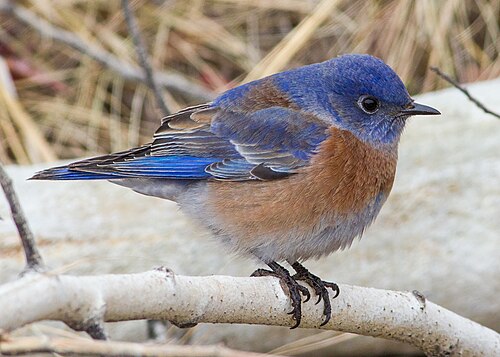
Western Bluebird
Sialia mexicana

White-breasted Nuthatch
Sitta carolinensis

Woodhouse's Scrub-Jay
Aphelocoma woodhouseii
📅 Monthly Probability
☀️ When They're Spotted
Most active during daytime hours (6am–6pm) · across all parks (global)
Global Distribution
Where this species is recorded worldwide. Restricted to human observations from 2019 onwards — the same kind of record and the same period the probabilities on this page are built from, so collar-tracking studies, camera-trap arrays and museum specimens are excluded. Around Santa Rosa that removes 5,924 GPS fixes from a handful of tagged jaguars.
where this species is recorded (GBIF density — it tracks where observers go, not how likely a sighting is) · parks where it occurs — tap a pin for the sighting probability there
Parks Where Found
Quick answers
What are the chances of seeing a Tree Swallow in Grand Canyon National Park?
About 2% of wildlife watchers report a Tree Swallow sighting in Grand Canyon National Park, based on 49 days of visitor records from GBIF citizen-science data.
When is the best time to see Tree Swallow in Grand Canyon National Park?
April has the highest sighting rate for Tree Swallow in Grand Canyon National Park in our monthly data.