


Olive Baboon
Papio anubis
- KingdomAnimalia (Animals)
- PhylumChordata (Cordats)
- ClassMammalia (Mamífers)
- OrderPrimates
- FamilyCercopithecidae (Old World Monkeys)
- GenusPapio (Baboons)
- SpeciesPapio anubis (Olive Baboon)
The olive baboon (Papio anubis), also called the Anubis baboon, is a member of the family Cercopithecidae Old World monkeys. The species is the most wide-ranging of all baboons, being native to 25 countries throughout Africa, extending from Mali eastward to Ethiopia and Tanzania. Isolated populations are also present in some mountainous regions of the Sahara. It inhabits savannahs, steppes, and forests. The common name is derived from its coat colour, which is a shade of green-grey at a distance. A variety of communications, vocal and non-vocal, facilitate a complex social structure. Wikipedia →
30–40% of wildlife watchers report a Olive Baboon sighting in Bwindi Impenetrable National Park, based on 30 days of visitor records from GBIF citizen-science data.
Closest Relatives at Bwindi Impenetrable National Park

L'Hoest's Guenon
Allochrocebus lhoesti
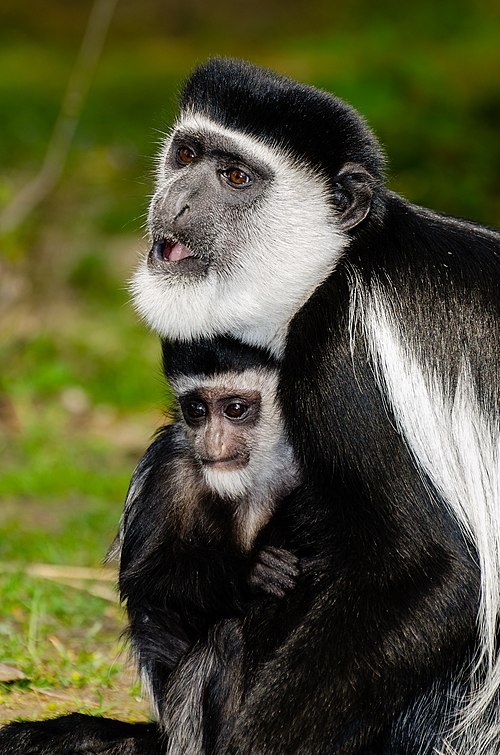
Mantled Guereza
Colobus guereza

Blue Monkey
Cercopithecus mitis

Red-tailed Monkey
Cercopithecus ascanius

Tantalus Monkey
Chlorocebus tantalus

Eastern Gorilla
Gorilla beringei

Chimpanzee
Pan troglodytes

Spectacled Lesser Galago
Galago matschiei

Demidoff's Dwarf Galago
Galagoides demidoff

Thomas's Dwarf Galago
Galagoides thomasi

East African Potto
Perodicticus ibeanus
📅 Monthly Probability
☀️ When They're Spotted
Most active during daytime hours (6am–6pm) · across all parks (global)
Global Distribution
Where this species is recorded worldwide. Restricted to human observations from 2019 onwards — the same kind of record and the same period the probabilities on this page are built from, so collar-tracking studies, camera-trap arrays and museum specimens are excluded. Around Santa Rosa that removes 5,924 GPS fixes from a handful of tagged jaguars.
where this species is recorded (GBIF density — it tracks where observers go, not how likely a sighting is) · parks where it occurs — tap a pin for the sighting probability there
Parks Where Found
Quick answers
What are the chances of seeing a Olive Baboon in Bwindi Impenetrable National Park?
About 36% of wildlife watchers report a Olive Baboon sighting in Bwindi Impenetrable National Park, based on 30 days of visitor records from GBIF citizen-science data.
When is the best time to see Olive Baboon in Bwindi Impenetrable National Park?
May has the highest sighting rate for Olive Baboon in Bwindi Impenetrable National Park in our monthly data.