


Gray-cheeked Thrush
Catharus minimus
- KingdomAnimalia (Animals)
- PhylumChordata (Cordats)
- ClassAves (Aus)
- OrderPasseriformes
- FamilyTurdidae (Túrdids)
- GenusCatharus (Brown Thrushes and Nightingale-Thrushes)
- SpeciesCatharus minimus (Gray-cheeked Thrush)
The gray-cheeked thrush (Catharus minimus) is a medium-sized thrush. This species is 15–17 cm (5.9–6.7 in) in length, and has the white-dark-white underwing pattern characteristic of Catharus thrushes. It is a member of a close-knit group of migrant species together with the veery and Bicknell's thrush; it forms a cryptic species pair with the latter. The gray-cheeked thrush is all but indistinguishable from Bicknell's thrush except by its slightly larger size and different song. The two were formerly considered conspecific. Of all the American spotted thrushes, the gray-cheeked has the most northern breeding range. Wikipedia →
Closest Relatives at Big Cypress National Preserve

Swainson's Thrush
Catharus ustulatus

Hermit Thrush
Catharus guttatus

Veery
Catharus fuscescens

American Robin
Turdus migratorius

Eastern Bluebird
Sialia sialis

Wood Thrush
Hylocichla mustelina

American Crow
Corvus brachyrhynchos

Blue-gray Gnatcatcher
Polioptila caerulea

Palm Warbler
Setophaga palmarum

Northern Mockingbird
Mimus polyglottos

Northern Cardinal
Cardinalis cardinalis
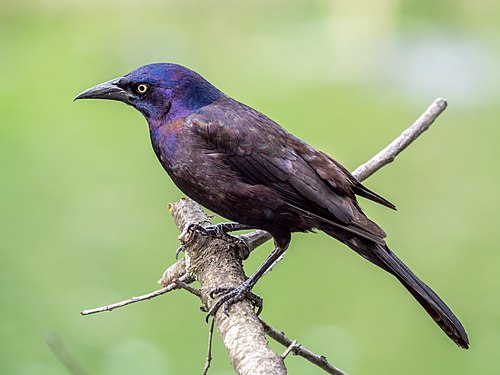
Common Grackle
Quiscalus quiscula
📅 Monthly Probability
Fewer than 5 records of Gray-cheeked Thrush at Big Cypress National Preserve — not enough to chart months honestly.
☀️ When They're Spotted
Most active during daytime hours (6am–6pm) · across all parks (global)
Global Distribution
Where this species is recorded worldwide. Restricted to human observations from 2019 onwards — the same kind of record and the same period the probabilities on this page are built from, so collar-tracking studies, camera-trap arrays and museum specimens are excluded. Around Santa Rosa that removes 5,924 GPS fixes from a handful of tagged jaguars.
where this species is recorded (GBIF density — it tracks where observers go, not how likely a sighting is) · parks where it occurs — tap a pin for the sighting probability there