


Red-breasted Flycatcher
Ficedula parva
- KingdomAnimalia (Animals)
- PhylumChordata (Cordats)
- ClassAves (Aus)
- OrderPasseriformes
- FamilyMuscicapidae (Papamosques del Vell Món)
- GenusFicedula (Ficedula Flycatchers)
- SpeciesFicedula parva (Red-breasted Flycatcher)
The red-breasted flycatcher (Ficedula parva) is a small passerine bird in the Old World flycatcher family. It breeds in eastern Europe and across Central Asia and is migratory, wintering in south Asia. The breeding male is mainly muted brown above and white below, with a grey head and an orange throat. Females and immatures are similarly colored but lack the orange throat patch. The red-breasted flycatcher is a regular passage migrant in western Europe, whereas the collared flycatcher, which has a different migration route (wintering in Sub-Saharan Africa), is scarce. It forms a superspecies with the closely related taiga flycatcher and Kashmir flycatcher and can be distinguished from the former by its different song, warmer-toned plumage and the more extensive orange throat patch. Wikipedia →
<5% of wildlife watchers report a Red-breasted Flycatcher sighting in Cairngorms National Park, based on 11 days of visitor records from GBIF citizen-science data.
Closest Relatives at Cairngorms National Park

European Pied Flycatcher
Ficedula hypoleuca

European Robin
Erithacus rubecula

Spotted Flycatcher
Muscicapa striata

European Stonechat
Saxicola rubicola

Northern Wheatear
Oenanthe oenanthe

Common Redstart
Phoenicurus phoenicurus

Whinchat
Saxicola rubetra

Black Redstart
Phoenicurus ochruros

Chaffinch
Fringilla coelebs

Coal Tit
Periparus ater
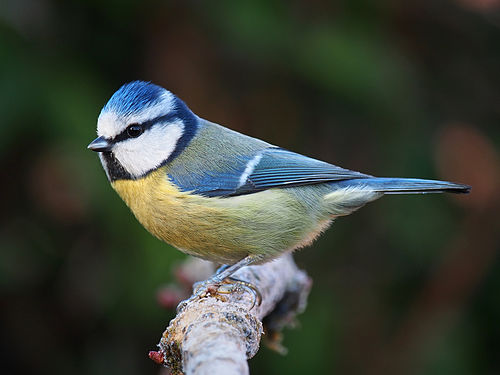
Blue Tit
Cyanistes caeruleus

Great Tit
Parus major
📅 Monthly Probability
🌅 When They're Spotted
Most active at dawn and dusk · across all parks (global)
Global Distribution
Where this species is recorded worldwide. Restricted to human observations from 2019 onwards — the same kind of record and the same period the probabilities on this page are built from, so collar-tracking studies, camera-trap arrays and museum specimens are excluded. Around Santa Rosa that removes 5,924 GPS fixes from a handful of tagged jaguars.
where this species is recorded (GBIF density — it tracks where observers go, not how likely a sighting is) · parks where it occurs — tap a pin for the sighting probability there
Parks Where Found
| # | Park | Country | Probability |
|---|---|---|---|
| 1 | Keoladeo National Park | 🇮🇳 India | |
| 2 | Bandhavgarh National Park | 🇮🇳 India | |
| 3 | Białowieża National Park | 🇵🇱 Poland | |
| 4 | Satpura National Park | 🇮🇳 India | |
| 5 | Kanha National Park | 🇮🇳 India | |
| 6 | Ranthambore National Park | 🇮🇳 India | |
| 7 | Biebrza National Park | 🇵🇱 Poland | |
| 8 | Jim Corbett National Park | 🇮🇳 India | |
| 9 | Gauja National Park | 🇱🇻 Latvia | |
| 10 | Mudumalai National Park | 🇮🇳 India | |
| 11 | Nagarhole National Park | 🇮🇳 India | |
| 12 | Royal Manas National Park | 🇧🇹 Bhutan | |
| 13 | Cairngorms National Park | 🇬🇧 United Kingdom | |
| 14 | Wadden Sea National Park | 🇩🇪 Germany | |
| 15 | Tatra National Park | 🇸🇰 Slovakia | |
| 16 | Bandipur National Park | 🇮🇳 India | |
| 17 | Royal Bardia National Park | 🇳🇵 Nepal | |
| 18 | Bavarian Forest National Park | 🇩🇪 Germany | |
| 19 | Taroko National Park | 🇹🇼 Taiwan | |
| 20 | Sundarbans National Park | 🇮🇳 India | |
| 21 | Fertő-Hanság National Park | 🇭🇺 Hungary |
Quick answers
What are the chances of seeing a Red-breasted Flycatcher in Cairngorms National Park?
About 0% of wildlife watchers report a Red-breasted Flycatcher sighting in Cairngorms National Park, based on 11 days of visitor records from GBIF citizen-science data.
When is the best time to see Red-breasted Flycatcher in Cairngorms National Park?
June has the highest sighting rate for Red-breasted Flycatcher in Cairngorms National Park in our monthly data.