


Eastern Cane Toad
Rhinella marina
- KingdomAnimalia (Animals)
- PhylumChordata (Cordats)
- ClassAmphibia (Amfibis)
- OrderAnura (Anurs)
- FamilyBufonidae (Bufònids)
- GenusRhinella (Beaked Toads)
- SpeciesRhinella marina (Eastern Cane Toad)
The cane toad (Rhinella marina), also known as the giant neotropical toad or marine toad, is a large, terrestrial true toad native to South and mainland Central America, but which has been introduced to various islands throughout Oceania and the Caribbean, as well as Northern Australia. It is a member of the genus Rhinella, which includes many true toad species found throughout Central and South America, but it was formerly assigned to the genus Bufo. A fossil toad (specimen UCMP 41159) from the La Venta fauna of the late Miocene in Colombia is morphologically indistinguishable from modern cane toads from northern South America. It was discovered in a floodplain deposit, which suggests the R. marina habitat preferences have long been for open areas. The cane toad is a prolific breeder; females lay single-clump spawns with thousands of eggs. Its reproductive success is partly because of opportunistic feeding: it has a diet, unusual among anurans, of both dead and living matter. Wikipedia →
Closest Relatives at Amboró National Park
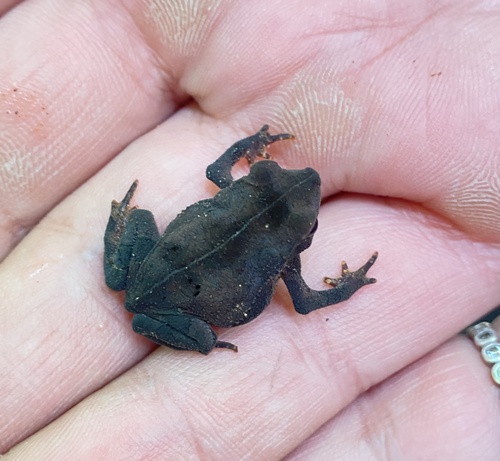
Rhinella stanlaii
Rhinella stanlaii

Gray Toad
Rhinella poeppigii

Cururu Toad
Rhinella diptycha

Argentine Toad
Rhinella arenarum

Spot-legged Poison Frog
Ameerega picta

Salta Tree Frog
Boana marianitae

Painted Antnest Frog
Lithodytes lineatus

Sara Tree Frog
Boana steinbachi

Pristimantis koehleri
Pristimantis koehleri

Rioja Tree Frog
Boana riojana

Fuscous-blotched Snouted Tree Frog
Scinax fuscovarius

Pristimantis samaipatae
Pristimantis samaipatae
📅 Monthly Probability
Fewer than 5 records of Eastern Cane Toad at Amboró National Park — not enough to chart months honestly.
☀️🌙 When They're Spotted
Active throughout day and night · across all parks (global)
Global Distribution
Where this species is recorded worldwide. Restricted to human observations from 2019 onwards — the same kind of record and the same period the probabilities on this page are built from, so collar-tracking studies, camera-trap arrays and museum specimens are excluded. Around Santa Rosa that removes 5,924 GPS fixes from a handful of tagged jaguars.
where this species is recorded (GBIF density — it tracks where observers go, not how likely a sighting is) · parks where it occurs — tap a pin for the sighting probability there