Amboró National Park
🇧🇴 Bolivia
🦜 Red-fronted Macaws in the Dry ValleysAmboró National Park covers a rugged stretch of the tropical rainforest where the Andes tumble down into the lowlands of Bolivia. This reserve protects dense jungle canopies and steep mountain slopes cut by rushing rivers.
-17.865° S 63.749° W
Wildlife
⭐ Iconic Species
 ★
★ Andean Bear
Tremarctos ornatus
 ★
★ Red-fronted Macaw
Ara rubrogenys
 ★
★ Black-capped Squirrel Monkey
Saimiri boliviensis
 ★
★ Andean Condor
Vultur gryphus
📊 Most Spotted

Rufous-collared Sparrow
Zonotrichia capensis

Southern House Wren
Troglodytes musculus

Golden-billed Saltator
Saltator aurantiirostris

Gray-crested Finch
Lophospingus griseocristatus

Spot-legged Poison Frog
Ameerega picta

Turkey Vulture
Cathartes aura

White-bellied Hummingbird
Elliotomyia chionogaster

Ringed Warbling-Finch
Microspingus torquatus

Greater Wagtail-Tyrant
Stigmatura budytoides

Blue-and-yellow Tanager
Rauenia bonariensis

Picuí Ground-Dove
Columbina picui

White-tipped Plantcutter
Phytotoma rutila
⭐ Iconic Species
📊 Most Spotted

Southern Amazon Red Squirrel
Sciurus spadiceus

Bolivian Squirrel
Sciurus ignitus

Hooded Capuchin
Sapajus cay

Brown Capuchin
Sapajus apella

Bolivian Gray Titi
Plecturocebus donacophilus

Neotropical Otter
Lontra longicaudis

Brown-throated Sloth
Bradypus variegatus

Black-faced Black Spider Monkey
Ateles chamek

Brown Agouti
Dasyprocta variegata

Mountain Lion
Puma concolor

Tayra
Eira barbara

Nine-banded Armadillo
Dasypus novemcinctus
⭐ Iconic Species
📊 Most Spotted
Rufous-collared Sparrow
Zonotrichia capensis
Southern House Wren
Troglodytes musculus
Golden-billed Saltator
Saltator aurantiirostris
Gray-crested Finch
Lophospingus griseocristatus
Turkey Vulture
Cathartes aura
White-bellied Hummingbird
Elliotomyia chionogaster
Ringed Warbling-Finch
Microspingus torquatus
Greater Wagtail-Tyrant
Stigmatura budytoides
Blue-and-yellow Tanager
Rauenia bonariensis
Picuí Ground-Dove
Columbina picui
White-tipped Plantcutter
Phytotoma rutila

Blue-crowned Parakeet
Aratinga acuticaudata
📊 Most Spotted
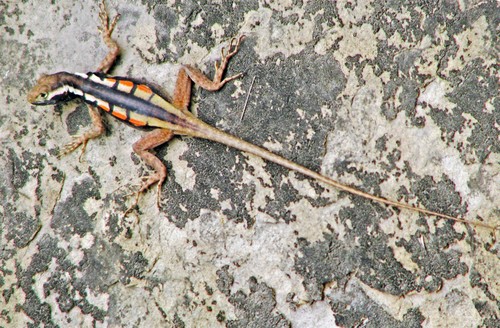
Black Lava Lizard
Tropidurus melanopleurus

Amazon Racerunner
Ameiva ameiva

Tropical House Gecko
Hemidactylus mabouia

Tropidurus azurduyae
Tropidurus azurduyae

Bolivian Lancehead
Bothrops sanctaecrucis

Wagler's Snake
Xenodon merremii

Argentine Black-and-white Tegu
Salvator merianae

South American Yellowfoot Tortoise
Chelonoidis denticulatus

Dorbigny's Bachia
Bachia dorbignyi

Yacare Caiman
Caiman yacare

Brown Sipo
Chironius fuscus

Mountain Sipo
Chironius monticola
📊 Most Spotted
Spot-legged Poison Frog
Ameerega picta
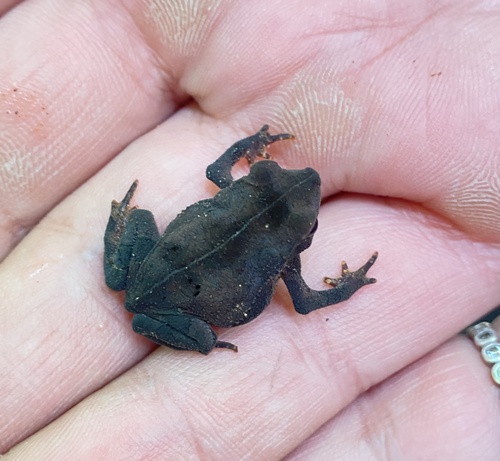
Rhinella stanlaii
Rhinella stanlaii

Salta Tree Frog
Boana marianitae

Painted Antnest Frog
Lithodytes lineatus

Sara Tree Frog
Boana steinbachi

Gray Toad
Rhinella poeppigii

Pristimantis koehleri
Pristimantis koehleri

Rioja Tree Frog
Boana riojana

Fuscous-blotched Snouted Tree Frog
Scinax fuscovarius

Pristimantis samaipatae
Pristimantis samaipatae

Eastern Cane Toad
Rhinella marina
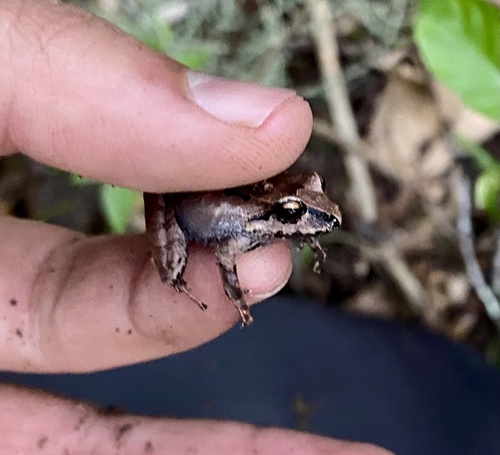
Yunganastes pluvicanorus
Yunganastes pluvicanorus
Animal Events
Red-fronted Macaw Nesting
Red-fronted Macaws breed in cavities on river-gorge cliffs
Dry-Season Monkey Troops
squirrel monkey and capuchin troops forage actively along the lowland trails and are the likeliest daytime primate encounters.
Rainy-Season Frog Chorus
Amboró's 170+ amphibian species, including poison dart frogs and treefrogs, breed and call en masse with the rains — the wet months are peak activity for the park's frogs.
Sighting Calendar
Chance of spotting each species, month by month
Sighting Zones
Warm areas are where all species together are recorded most, so they track where people go as much as where animals are. For one species, see the map on its own page.
Where Wildlife Score
How good is this park for seeing wildlife?Biodiversity
ExcellentHow rich is the wildlife?
Sighting
GoodHow likely to see animals?
Quick answers
What animals can you see in Amboró National Park?
The most likely sightings are Rufous-collared Sparrow (seen by 50–60% of wildlife watchers), Southern House Wren (seen by 40–50% of wildlife watchers), Golden-billed Saltator (seen by 40–50% of wildlife watchers), Gray-crested Finch (seen by 40–50% of wildlife watchers), Spot-legged Poison Frog (seen by 40–50% of wildlife watchers) — among 1469 recorded vertebrate species, based on citizen-science data from GBIF.
When is the best time to visit Amboró National Park for wildlife?
September has the highest combined sighting rate for the park's top species in our month-by-month GBIF data. The full sighting calendar on this page shows each species' best months.
Can you see Andean Bear in Amboró National Park?
Yes — about 19% of wildlife watchers report a Andean Bear sighting in Amboró National Park, based on 2 days of visitor records from GBIF citizen-science data.
Can you see Red-fronted Macaw in Amboró National Park?
It's possible but not guaranteed: about 13% of wildlife watchers report a Red-fronted Macaw sighting in Amboró National Park, based on 1 days of visitor records from GBIF citizen-science data. Sightings take luck and time in the field.
Can you see Black-capped Squirrel Monkey in Amboró National Park?
Yes — about 29% of wildlife watchers report a Black-capped Squirrel Monkey sighting in Amboró National Park, based on 4 days of visitor records from GBIF citizen-science data.
Can you see Andean Condor in Amboró National Park?
Yes — about 16% of wildlife watchers report a Andean Condor sighting in Amboró National Park, based on 56 days of visitor records from GBIF citizen-science data.


_-_Flickr_-_berniedup.jpg?width=1920)