Litchfield National Park
🇦🇺 Australia
🦎 Mertens's Water Monitor's Secret PoolsLitchfield National Park is a tropical savanna protected area situated just south of Darwin in Australia's Top End. This landscape features grassy woodlands, sandstone plateaus, and permanent spring-fed waterfalls. Unlike the seasonally dry floodplains found elsewhere in the region, Litchfield is famous for its accessible plunge pools and dense network of walking tracks winding through open eucalypt forests.
-13.167° S 130.780° E
Wildlife
⭐ Iconic Species
 ★
★ Mertens's Water Monitor
Varanus mertensi
 ★
★ Great Bowerbird
Chlamydera nuchalis
 ★
★ Black Flying-fox
Pteropus alecto
📊 Most Spotted

Torresian Crow
Corvus orru

Bar-shouldered Dove
Geopelia humeralis

White-bellied Cuckooshrike
Coracina papuensis

Sulphur-crested Cockatoo
Cacatua galerita

Blue-winged Kookaburra
Dacelo leachii

Red-collared Lorikeet
Trichoglossus rubritorquis

Spangled Drongo
Dicrurus bracteatus

Peaceful Dove
Geopelia placida

Bauxite Rainbow Skink
Carlia amax

Lowlands Plain-backed Ctenotus
Ctenotus essingtonii

Agile Wallaby
Macropus agilis

Brown Tree Snake
Boiga irregularis
⭐ Iconic Species
📊 Most Spotted
Agile Wallaby
Macropus agilis

Antilopine Kangaroo
Macropus antilopinus

Little Red Flying Fox
Pteropus scapulatus
Black-footed Tree Rat
Mesembriomys gouldii

Common Brushtail
Trichosurus vulpecula

Delicate Mouse
Pseudomys delicatulus
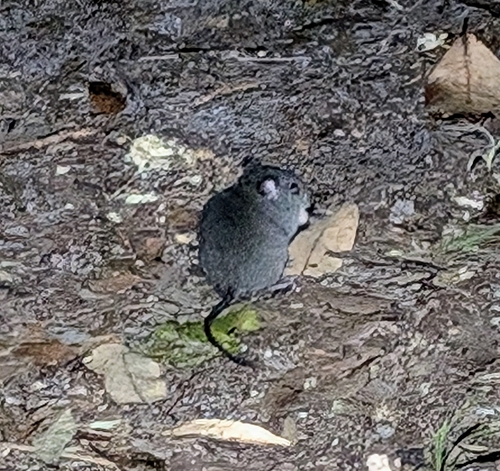
Grassland Melomys
Melomys burtoni
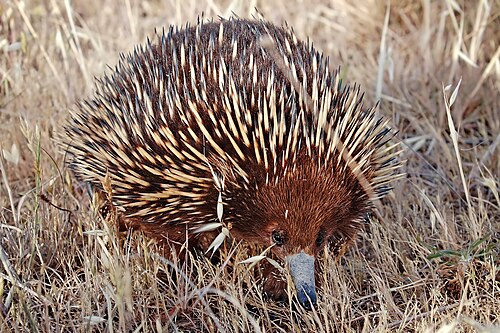
Short-beaked Echidna
Tachyglossus aculeatus
Hoary Wattled Bat
Chalinolobus nigrogriseus

Dusky Roundleaf Bat
Hipposideros ater

Northern Brown Bandicoot
Isoodon macrourus
Sandstone Dibbler
Pseudantechinus bilarni
⭐ Iconic Species
📊 Most Spotted
Torresian Crow
Corvus orru
Bar-shouldered Dove
Geopelia humeralis
White-bellied Cuckooshrike
Coracina papuensis
Sulphur-crested Cockatoo
Cacatua galerita
Blue-winged Kookaburra
Dacelo leachii
Red-collared Lorikeet
Trichoglossus rubritorquis
Spangled Drongo
Dicrurus bracteatus
Peaceful Dove
Geopelia placida

Varied Triller
Lalage leucomela

Blue-faced Honeyeater
Entomyzon cyanotis

Whistling Kite
Haliastur sphenurus

Black Kite
Milvus migrans
⭐ Iconic Species
📊 Most Spotted
Bauxite Rainbow Skink
Carlia amax
Lowlands Plain-backed Ctenotus
Ctenotus essingtonii
Brown Tree Snake
Boiga irregularis

Burton's Legless Lizard
Lialis burtonis

Black-headed Python
Aspidites melanocephalus

Rough-scaled Death Adder
Acanthophis rugosus

Olive Python
Liasis olivaceus

Gilbert's Dragon
Lophognathus gilberti

Lined Firetail Skink
Morethia ruficauda

Common Prickly Gecko
Heteronotia binoei

Children's Python
Antaresia childreni

Mair's Keelback
Tropidonophis mairii
📊 Most Spotted

Rockhole Frog
Litoria meiriana

Eastern Cane Toad
Rhinella marina

Desert Tree Frog
Litoria rubella

Watjulum Frog
Litoria watjulumensis

Australian Rocket Frog
Litoria nasuta
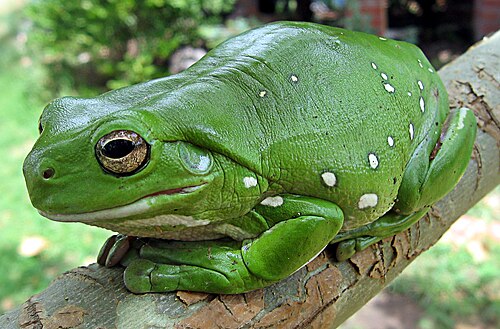
Ranoidea caerulea
Ranoidea caerulea

Copland's Rock Frog
Litoria coplandi

Ornate Burrowing Frog
Platyplectrum ornatum

Marbled Frog
Limnodynastes convexiusculus

giant frog
Ranoidea australis
Bilingual Frog
Crinia bilingua
Woodworker Frog
Limnodynastes lignarius
Animal Events
Frill-necked Lizard mating displays
Male frill-necked lizards perform dramatic territorial and mating displays, extending their frills and hissing to deter rivals or attract females.

Agile Wallaby congregations at waterholes
Hundreds of agile wallabies gather at permanent waterholes during the dry season, creating a unique wildlife spectacle.
Black Flying-fox evening fly-outs
Thousands of black flying-foxes emerge from roosts in monsoon forests at dusk, creating a cacophony of calls and a dark cloud in the sky.
Sighting Calendar
Chance of spotting each species, month by month
Sighting Zones
Warm areas are where all species together are recorded most, so they track where people go as much as where animals are. For one species, see the map on its own page.
Where Wildlife Score
How good is this park for seeing wildlife?Biodiversity
GoodHow rich is the wildlife?
Sighting
Very goodHow likely to see animals?
Quick answers
What animals can you see in Litchfield National Park?
The most likely sightings are Mertens's Water Monitor (seen by 80–90% of wildlife watchers), Torresian Crow (seen by 70–80% of wildlife watchers), Bar-shouldered Dove (seen by 70–80% of wildlife watchers), White-bellied Cuckooshrike (seen by 60–70% of wildlife watchers), Black Flying-fox (seen by 60–70% of wildlife watchers) — among 605 recorded vertebrate species, based on citizen-science data from GBIF.
When is the best time to visit Litchfield National Park for wildlife?
August has the highest combined sighting rate for the park's top species in our month-by-month GBIF data. The full sighting calendar on this page shows each species' best months.
Can you see Mertens's Water Monitor in Litchfield National Park?
Yes — about 87% of wildlife watchers report a Mertens's Water Monitor sighting in Litchfield National Park, based on 144 days of visitor records from GBIF citizen-science data.
Can you see Great Bowerbird in Litchfield National Park?
Yes — about 42% of wildlife watchers report a Great Bowerbird sighting in Litchfield National Park, based on 122 days of visitor records from GBIF citizen-science data.
Can you see Black Flying-fox in Litchfield National Park?
Yes — about 62% of wildlife watchers report a Black Flying-fox sighting in Litchfield National Park, based on 49 days of visitor records from GBIF citizen-science data.


