Kakadu National Park
🇦🇺 Australia
🐊 Saltwater Crocodile's Ancient River RealmKakadu National Park sits in the tropical savanna of Australia’s Northern Territory, a mosaic of floodplains, sandstone escarpments and monsoon‑driven wetlands. Saltwater crocodiles linger in river pools, agile wallabies bound across the ridges, and flocks of magpie geese gather on the shallow seasonally‑filled lagoons.
-13.358° S 132.595° E
Wildlife
⭐ Iconic Species
 ★
★ Saltwater Crocodile
Crocodylus porosus
 ★
★ Magpie Goose
Anseranas semipalmata
 ★
★ Agile Wallaby
Macropus agilis
 ★
★ Frill-necked Lizard
Chlamydosaurus kingii
📊 Most Spotted

Whistling Kite
Haliastur sphenurus

Bar-shouldered Dove
Geopelia humeralis

Torresian Crow
Corvus orru

Peaceful Dove
Geopelia placida

Rainbow Bee-eater
Merops ornatus

Sulphur-crested Cockatoo
Cacatua galerita

Little Corella
Cacatua sanguinea

Willie Wagtail
Rhipidura leucophrys

Bauxite Rainbow Skink
Carlia amax

White-bellied Cuckooshrike
Coracina papuensis

Blue-winged Kookaburra
Dacelo leachii

intermediate egret
Egretta intermedia
⭐ Iconic Species
📊 Most Spotted

Eastern Short-eared Rock-wallaby
Petrogale wilkinsi

Black Flying-fox
Pteropus alecto
Pseudochirus dahlii
Pseudochirus dahlii

Woodward S Wallaroo
Macropus bernardus

Northern Quoll
Dasyurus hallucatus

Little Red Flying Fox
Pteropus scapulatus

Common Brushtail
Trichosurus vulpecula

Wallaroo
Macropus robustus
Sandstone Dibbler
Pseudantechinus bilarni

Northern Brown Bandicoot
Isoodon macrourus

Australian False Vampire Bat
Macroderma gigas

Antilopine Kangaroo
Macropus antilopinus
⭐ Iconic Species
📊 Most Spotted
Whistling Kite
Haliastur sphenurus
Bar-shouldered Dove
Geopelia humeralis
Torresian Crow
Corvus orru
Peaceful Dove
Geopelia placida
Rainbow Bee-eater
Merops ornatus
Sulphur-crested Cockatoo
Cacatua galerita
Little Corella
Cacatua sanguinea
Willie Wagtail
Rhipidura leucophrys
White-bellied Cuckooshrike
Coracina papuensis
Blue-winged Kookaburra
Dacelo leachii
intermediate egret
Egretta intermedia

Green Oriole
Oriolus flavocinctus
⭐ Iconic Species
📊 Most Spotted
Bauxite Rainbow Skink
Carlia amax

Argus Monitor
Varanus panoptes

Children's Python
Antaresia childreni

Mair's Keelback
Tropidonophis mairii

Common Prickly Gecko
Heteronotia binoei

Mertens's Water Monitor
Varanus mertensi

Brown Tree Snake
Boiga irregularis

Burton's Legless Lizard
Lialis burtonis

Gilbert's Dragon
Lophognathus gilberti

Water Python
Liasis fuscus

Olive Python
Liasis olivaceus

Common House Gecko
Hemidactylus frenatus
📊 Most Spotted

Eastern Cane Toad
Rhinella marina
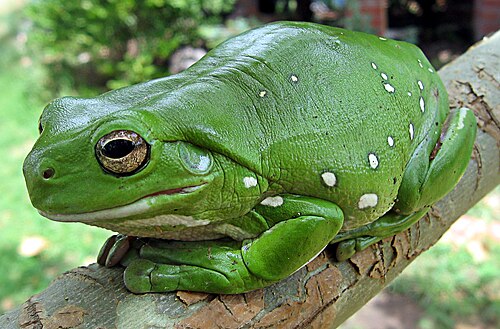
Ranoidea caerulea
Ranoidea caerulea

Watjulum Frog
Litoria watjulumensis

Australian Rocket Frog
Litoria nasuta

Desert Tree Frog
Litoria rubella

Rockhole Frog
Litoria meiriana

Copland's Rock Frog
Litoria coplandi

giant frog
Ranoidea australis
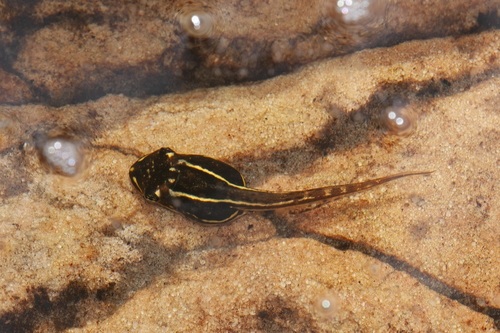
Masked Frog
Litoria personata

Marbled Frog
Limnodynastes convexiusculus
Woodworker Frog
Limnodynastes lignarius

Ornate Burrowing Frog
Platyplectrum ornatum
Animal Events
Dry Season Raptor Activity
Controlled fires and dry conditions flush out prey, prompting high concentrations of predatory birds soaring and hunting across the savannas.
Wetland Migration and Feeding
As the dry season progresses, receding water levels concentrate incredible numbers of waterbirds and aquatic life into shrinking billabongs, creating premier viewing spectacles.

Wet Season Amphibian Emergence
Monsoonal rains transform the parched landscape, triggering massive breeding choruses and high activity among frogs and reptiles across the wetlands.
Sighting Calendar
Chance of spotting each species, month by month
Sighting Zones
Warm areas are where all species together are recorded most, so they track where people go as much as where animals are. For one species, see the map on its own page.
Where Wildlife Score
How good is this park for seeing wildlife?Biodiversity
Very goodHow rich is the wildlife?
Sighting
Very goodHow likely to see animals?
Quick answers
What animals can you see in Kakadu National Park?
The most likely sightings are Whistling Kite (seen by 70–80% of wildlife watchers), Saltwater Crocodile (seen by 70–80% of wildlife watchers), Bar-shouldered Dove (seen by 70–80% of wildlife watchers), Torresian Crow (seen by 60–70% of wildlife watchers), Peaceful Dove (seen by 60–70% of wildlife watchers) — among 790 recorded vertebrate species, based on citizen-science data from GBIF.
When is the best time to visit Kakadu National Park for wildlife?
June has the highest combined sighting rate for the park's top species in our month-by-month GBIF data. The full sighting calendar on this page shows each species' best months.
Can you see Saltwater Crocodile in Kakadu National Park?
Yes — about 78% of wildlife watchers report a Saltwater Crocodile sighting in Kakadu National Park, based on 291 days of visitor records from GBIF citizen-science data.
Can you see Magpie Goose in Kakadu National Park?
Yes — about 52% of wildlife watchers report a Magpie Goose sighting in Kakadu National Park, based on 703 days of visitor records from GBIF citizen-science data.
Can you see Agile Wallaby in Kakadu National Park?
Yes — about 55% of wildlife watchers report a Agile Wallaby sighting in Kakadu National Park, based on 115 days of visitor records from GBIF citizen-science data.
Can you see Frill-necked Lizard in Kakadu National Park?
Yes — about 33% of wildlife watchers report a Frill-necked Lizard sighting in Kakadu National Park, based on 44 days of visitor records from GBIF citizen-science data.


