Springbrook National Park
🇦🇺 Australia
🐦 Lewin's Honeyeater Thrives in SpringbrookSpringbrook National Park is a temperate forest reserve in the Gold Coast hinterland of southeast Queensland, Australia. It is known for its patchwork of waterfalls, ancient sandstone gorges and lush fern‑filled valleys that differ from the coastal dunes of nearby parks.
-28.202° S 153.296° E
Wildlife
⭐ Iconic Species
 ★
★ Red-legged Pademelon
Thylogale stigmatica
 ★
★ Land Mullet
Bellatorias major
 ★
★ Great Barred Frog
Mixophyes fasciolatus
📊 Most Spotted

Lewin's Honeyeater
Meliphaga lewinii

Eastern Whipbird
Psophodes olivaceus

Eastern Yellow Robin
Eopsaltria australis

Pied Currawong
Strepera graculina

Brown Thornbill
Acanthiza pusilla

Laughing Kookaburra
Dacelo novaeguineae

White-throated Treecreeper
Cormobates leucophaea

White-browed Scrubwren
Sericornis frontalis

Red-necked Pademelon
Thylogale thetis

Grey Fantail
Rhipidura albiscapa

Golden Whistler
Pachycephala pectoralis

Brown Cuckoo-Dove
Macropygia phasianella
⭐ Iconic Species
📊 Most Spotted
Red-necked Pademelon
Thylogale thetis

Short-eared Possum
Trichosurus caninus

Long-nosed Bandicoot
Perameles nasuta
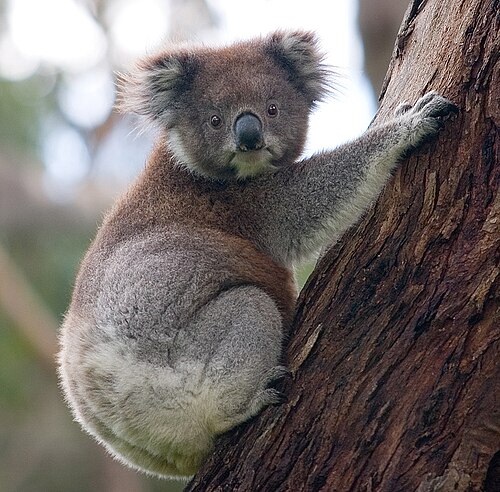
Koala
Phascolarctos cinereus

Swamp Wallaby
Wallabia bicolor

Long-nosed Potoroo
Potorous tridactylus

Red-necked Wallaby
Notamacropus rufogriseus

Red Fox
Vulpes vulpes

Northern Brown Bandicoot
Isoodon macrourus

Common Ringtail Possum
Pseudocheirus peregrinus

Grey-headed Flying-fox
Pteropus poliocephalus

Common Brushtail
Trichosurus vulpecula
📊 Most Spotted
Lewin's Honeyeater
Meliphaga lewinii
Eastern Whipbird
Psophodes olivaceus
Eastern Yellow Robin
Eopsaltria australis
Pied Currawong
Strepera graculina
Brown Thornbill
Acanthiza pusilla
Laughing Kookaburra
Dacelo novaeguineae
White-throated Treecreeper
Cormobates leucophaea
White-browed Scrubwren
Sericornis frontalis
Grey Fantail
Rhipidura albiscapa
Golden Whistler
Pachycephala pectoralis
Brown Cuckoo-Dove
Macropygia phasianella

Coconut Lorikeet
Trichoglossus haematodus
⭐ Iconic Species
📊 Most Spotted

Carpet Python
Morelia spilota

Southern Leaf-tailed Gecko
Saltuarius swaini

Australian Water Dragon
Intellagama lesueurii

Small-eyed Snake
Cryptophis nigrescens

Lace Monitor
Varanus varius

Blue-speckled Forest Skink
Silvascincus murrayi

Red-bellied Black Snake
Pseudechis porphyriacus

Eastern Water Skink
Eulamprus quoyii

Dwarf Crowned Snake
Cacophis krefftii

Major Skink
Bellatorias frerei

Golden Crowned Snake
Cacophis squamulosus

Black Treesnake
Dendrelaphis punctulatus
⭐ Iconic Species
📊 Most Spotted

Pearson's Green Tree Frog
Ranoidea pearsoniana

Eastern Cane Toad
Rhinella marina

Tusked Frog
Adelotus brevis

Peron's Tree Frog
Litoria peronii

Striped Marsh Frog
Limnodynastes peronii

Eastern Dwarf Treefrog
Litoria fallax

Pouched Frog
Assa darlingtoni
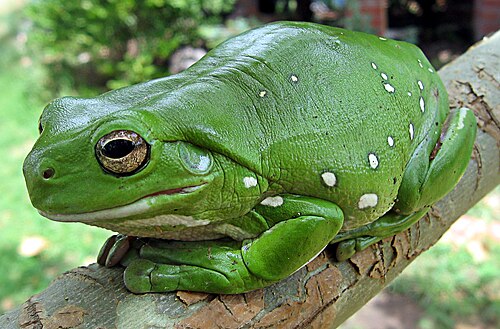
Ranoidea caerulea
Ranoidea caerulea

Fleay's Barred Frog
Mixophyes fleayi

Verreaux's Tree Frog
Litoria verreauxii

Broad-palmed Frog
Litoria latopalmata

Tyler's Tree Frog
Litoria tyleri
Animal Events
Pademelon courtship displays
Male Red-legged Pademelons engage in boxing matches and vocal displays during breeding season, often visible in open rainforest clearings at dawn and dusk.
Land Mullet sunning rituals
Large Land Mullets emerge to bask on sun-warmed rocks along rainforest streams, especially after rain, providing excellent photo opportunities for visitors.
Great Barred Frog choruses
Male Great Barred Frogs gather in breeding choruses near permanent rainforest streams, creating a distinctive deep 'tok' call that echoes through the valley at night.
Sighting Calendar
Chance of spotting each species, month by month
Sighting Zones
Warm areas are where all species together are recorded most, so they track where people go as much as where animals are. For one species, see the map on its own page.
Where Wildlife Score
How good is this park for seeing wildlife?Biodiversity
ExcellentHow rich is the wildlife?
Sighting
Very goodHow likely to see animals?
Quick answers
What animals can you see in Springbrook National Park?
The most likely sightings are Lewin's Honeyeater (seen by 80–90% of wildlife watchers), Eastern Whipbird (seen by 70–80% of wildlife watchers), Red-legged Pademelon (seen by 70–80% of wildlife watchers), Eastern Yellow Robin (seen by 60–70% of wildlife watchers), Pied Currawong (seen by 60–70% of wildlife watchers) — among 664 recorded vertebrate species, based on citizen-science data from GBIF.
When is the best time to visit Springbrook National Park for wildlife?
March has the highest combined sighting rate for the park's top species in our month-by-month GBIF data. The full sighting calendar on this page shows each species' best months.
Can you see Red-legged Pademelon in Springbrook National Park?
Yes — about 70% of wildlife watchers report a Red-legged Pademelon sighting in Springbrook National Park, based on 341 days of visitor records from GBIF citizen-science data.
Can you see Land Mullet in Springbrook National Park?
Yes — about 52% of wildlife watchers report a Land Mullet sighting in Springbrook National Park, based on 167 days of visitor records from GBIF citizen-science data.
Can you see Great Barred Frog in Springbrook National Park?
Yes — about 37% of wildlife watchers report a Great Barred Frog sighting in Springbrook National Park, based on 84 days of visitor records from GBIF citizen-science data.
_Lamington_2.jpg?width=1920)


