Tambopata National Reserve
🇵🇪 Peru
🦜 Macaw Clay Lick RainforestTambopata is organised around its clay licks, where macaws gather in the early morning to eat mineral-rich riverbank. Scarlet, red-and-green and blue-and-yellow macaws are each recorded on around four visits in ten, all three often at once.
-12.973° S 69.265° W
Wildlife
⭐ Iconic Species
 ★
★ Scarlet Macaw
Ara macao
 ★
★ Black-capped Squirrel Monkey
Saimiri boliviensis
 ★
★ Brown Capuchin
Sapajus apella
 ★
★ Black Caiman
Melanosuchus niger
📊 Most Spotted

Eastern Cane Toad
Rhinella marina

Capybara
Hydrochoerus hydrochaeris

Black-fronted Nunbird
Monasa nigrifrons

White-throated Toucan
Ramphastos tucanus

Blue-headed Parrot
Pionus menstruus

Chestnut-fronted Macaw
Ara severus

Russet-backed Oropendola
Psarocolius angustifrons

Amazon Racerunner
Ameiva ameiva

Cobalt-winged Parakeet
Brotogeris cyanoptera

Common Caiman
Caiman crocodilus

Silver-beaked Tanager
Ramphocelus carbo

Undulated Tinamou
Crypturellus undulatus
⭐ Iconic Species
📊 Most Spotted
Capybara
Hydrochoerus hydrochaeris

White-mantled Tamarin
Leontocebus weddelli

Toppin's Titi
Plecturocebus toppini

Brown-throated Sloth
Bradypus variegatus

Brown Agouti
Dasyprocta variegata

Giant Otter
Pteronura brasiliensis

Southern Amazon Red Squirrel
Sciurus spadiceus

Proboscis Bat
Rhynchonycteris naso

Bolivian Red Howler Monkey
Alouatta sara

Black-faced Black Spider Monkey
Ateles chamek

South American Tapir
Tapirus terrestris

Black-headed Night Monkey
Aotus nigriceps
⭐ Iconic Species
📊 Most Spotted
Black-fronted Nunbird
Monasa nigrifrons
White-throated Toucan
Ramphastos tucanus
Blue-headed Parrot
Pionus menstruus
Chestnut-fronted Macaw
Ara severus
Russet-backed Oropendola
Psarocolius angustifrons
Cobalt-winged Parakeet
Brotogeris cyanoptera
Silver-beaked Tanager
Ramphocelus carbo
Undulated Tinamou
Crypturellus undulatus

Mealy Parrot
Amazona farinosa

Black Vulture
Coragyps atratus

Yellow-rumped Cacique
Cacicus cela

Roadside Hawk
Rupornis magnirostris
⭐ Iconic Species
📊 Most Spotted
Amazon Racerunner
Ameiva ameiva
Common Caiman
Caiman crocodilus

Brown-eared Anole
Anolis fuscoauratus

Garden Tree Boa
Corallus hortulana

Trinidad Gecko
Gonatodes humeralis

Tree Runner
Plica plica

Amazon Green Anole
Anolis punctatus

Southern Turnip-tailed Gecko
Thecadactylus solimoensis

Yellow-headed Sideneck
Podocnemis unifilis

Blunthead Tree Snake
Imantodes cenchoa

Blue-lipped Tree Lizard
Plica umbra

Tschudi's False Coral Snake
Oxyrhopus melanogenys
📊 Most Spotted
Eastern Cane Toad
Rhinella marina

Amazon Sheep Frog
Hamptophryne boliviana

Surinam Horned Frog
Ceratophrys cornuta

Sharp-nosed Jungle Frog
Leptodactylus bolivianus

Giant Broad-headed Treefrog
Osteocephalus taurinus

Tiger-Striped Leaf Frog
Callimedusa tomopterna

Black-eyed Monkey Frog
Phyllomedusa camba
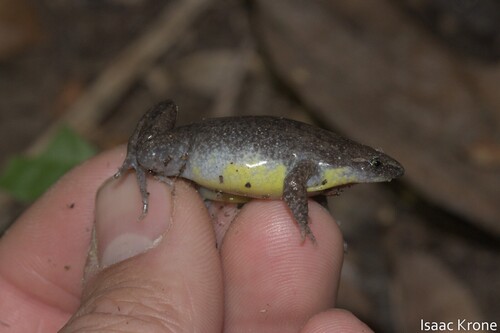
Acre's Oval Frog
Elachistocleis muiraquitan

Three-striped Poison Frog
Ameerega trivittata

Map Tree Frog
Boana geographica

Madre de Dios Thin-toed Frog
Leptodactylus didymus

Rocket Tree Frog
Boana lanciformis
Animal Events
Macaws at the Clay Licks
Scarlet and red-and-green macaws gather at the riverbank clay licks in their largest numbers of the year.

Caimans and Capybaras as the Water Drops
Black caimans hold the oxbow lakes and capybara groups feed on the exposed banks.
Frogs Breed in the Rains
Amazon horned frogs and cane toads breed in the flooded forest and call through the night.
Sighting Calendar
Chance of spotting each species, month by month
Sighting Zones
Warm areas are where all species together are recorded most, so they track where people go as much as where animals are. For one species, see the map on its own page.
Where Wildlife Score
How good is this park for seeing wildlife?Biodiversity
ExcellentHow rich is the wildlife?
Sighting
Very goodHow likely to see animals?
Quick answers
What animals can you see in Tambopata National Reserve?
The most likely sightings are Eastern Cane Toad (seen by 40–50% of wildlife watchers), Capybara (seen by 40–50% of wildlife watchers), Black-capped Squirrel Monkey (seen by 40–50% of wildlife watchers), Black-fronted Nunbird (seen by 40–50% of wildlife watchers), White-throated Toucan (seen by 40–50% of wildlife watchers) — among 1562 recorded vertebrate species, based on citizen-science data from GBIF.
When is the best time to visit Tambopata National Reserve for wildlife?
August has the highest combined sighting rate for the park's top species in our month-by-month GBIF data. The full sighting calendar on this page shows each species' best months.
Can you see Scarlet Macaw in Tambopata National Reserve?
Yes — about 31% of wildlife watchers report a Scarlet Macaw sighting in Tambopata National Reserve, based on 1,237 days of visitor records from GBIF citizen-science data.
Can you see Black-capped Squirrel Monkey in Tambopata National Reserve?
Yes — about 46% of wildlife watchers report a Black-capped Squirrel Monkey sighting in Tambopata National Reserve, based on 180 days of visitor records from GBIF citizen-science data.
Can you see Brown Capuchin in Tambopata National Reserve?
Yes — about 44% of wildlife watchers report a Brown Capuchin sighting in Tambopata National Reserve, based on 163 days of visitor records from GBIF citizen-science data.
Can you see Black Caiman in Tambopata National Reserve?
Yes — about 40% of wildlife watchers report a Black Caiman sighting in Tambopata National Reserve, based on 135 days of visitor records from GBIF citizen-science data.


