


Lesser Kudu
Tragelaphus imberbis
- KingdomAnimalia (Animals)
- PhylumChordata (Cordats)
- ClassMammalia (Mamífers)
- OrderArtiodactyla (Artiodàctils)
- FamilyBovidae (Bòvids)
- GenusTragelaphus (Spiral-horned Antelopes)
- SpeciesTragelaphus imberbis (Lesser Kudu)
The Lesser Kudu (Tragelaphus imberbis) is a medium-sized East African antelope found in East Africa. The species is not especially closely related to the Greater Kudu, though both belong the Artiodactyl tribe Tragelaphini (family Bovidae), of striped, spiral-horned African bovids, along with the Nyala, Elands, Balbok, Bushbucks, Bongo, and Sitatunga. It was first scientifically described by English zoologist Edward Blyth (1869). The lesser kudu is a browser subsisting off of foliage from tall bushes, trees, and herbaceous perennial plants. They are not territorial, and mainly crepuscular, preferring to be active after dusk until the dawn hours, seeking shelter in dense thickets just after the sunrise. The Lesser Kudu inhabits dry bushland regions, bordering on arid grasslands, as well as scrubland and light open forest habitat. Wikipedia →
30–40% of wildlife watchers report a Lesser Kudu sighting in Tsavo East National Park, based on 72 days of visitor records from GBIF citizen-science data.
Closest Relatives at Tsavo East National Park

Northern Bushbuck
Tragelaphus scriptus

Impala
Aepyceros melampus

Hartebeest
Alcelaphus buselaphus

Grant's Gazelle
Nanger granti

Waterbuck
Kobus ellipsiprymnus

African Buffalo
Syncerus caffer

East African Oryx
Oryx beisa

Gerenuk
Litocranius walleri

Common Eland
Taurotragus oryx

Hirola
Beatragus hunteri
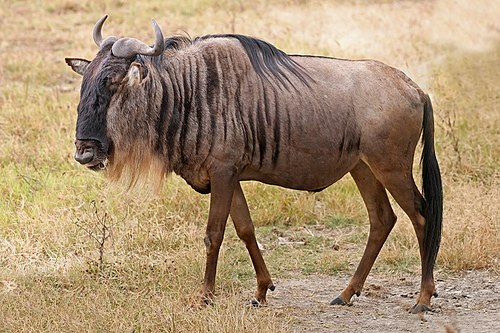
Blue Wildebeest
Connochaetes taurinus

Suni
Neotragus moschatus
📅 Monthly Probability
☀️ When They're Spotted
Most active during daytime hours (6am–6pm) · across all parks (global)
Global Distribution
Where this species is recorded worldwide. Restricted to human observations from 2019 onwards — the same kind of record and the same period the probabilities on this page are built from, so collar-tracking studies, camera-trap arrays and museum specimens are excluded. Around Santa Rosa that removes 5,924 GPS fixes from a handful of tagged jaguars.
where this species is recorded (GBIF density — it tracks where observers go, not how likely a sighting is) · parks where it occurs — tap a pin for the sighting probability there
Parks Where Found
| # | Park | Country | Probability |
|---|---|---|---|
| 1 | Meru National Park | 🇰🇪 Kenya | |
| 2 | Tsavo West National Park | 🇰🇪 Kenya | |
| 3 | Awash National Park | 🇪🇹 Ethiopia | |
| 4 | Tsavo East National Park | 🇰🇪 Kenya | |
| 5 | Amboseli National Park | 🇰🇪 Kenya | |
| 6 | Mkomazi National Park | 🇹🇿 Tanzania | |
| 7 | Tarangire National Park | 🇹🇿 Tanzania | |
| 8 | Ruaha National Park | 🇹🇿 Tanzania | |
| 9 | Lake Manyara National Park | 🇹🇿 Tanzania | |
| 10 | Samburu National Reserve | 🇰🇪 Kenya | |
| 11 | Masai Mara National Reserve | 🇰🇪 Kenya | |
| 12 | Serengeti National Park | 🇹🇿 Tanzania |
Quick answers
What are the chances of seeing a Lesser Kudu in Tsavo East National Park?
About 31% of wildlife watchers report a Lesser Kudu sighting in Tsavo East National Park, based on 72 days of visitor records from GBIF citizen-science data.
When is the best time to see Lesser Kudu in Tsavo East National Park?
August has the highest sighting rate for Lesser Kudu in Tsavo East National Park in our monthly data.