
Common Gull
Larus canus
- KingdomAnimalia (Animals)
- PhylumChordata (Cordats)
- ClassAves (Aus)
- OrderCharadriiformes (Caradriformes)
- FamilyLaridae (Gulls, Terns, and Skimmers)
- GenusLarus (Large White-headed Gulls)
- SpeciesLarus canus (Common Gull)
The common gull (Larus canus) is a gull that breeds in cool temperate regions of the Palearctic from Iceland and Scotland east to Kamchatka in the Russian Far East. Most common gulls migrate further south in winter, reaching the Mediterranean Sea, the southern Caspian Sea, and the seas around China and Japan; northwest European populations are at least partly resident. The closely related short-billed gull was formerly often included in this species, which was then sometimes known collectively as "mew gull". Wikipedia →
5–10% of wildlife watchers report a Common Gull sighting in Gauja National Park, based on 28 days of visitor records from GBIF citizen-science data.
Closest Relatives at Gauja National Park

European Herring Gull
Larus argentatus

Lesser Black-backed Gull
Larus fuscus

Little Tern
Sternula albifrons
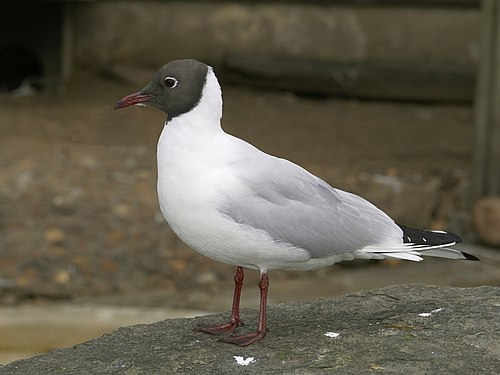
Black-headed Gull
Chroicocephalus ridibundus

Common Tern
Sterna hirundo

Northern Lapwing
Vanellus vanellus
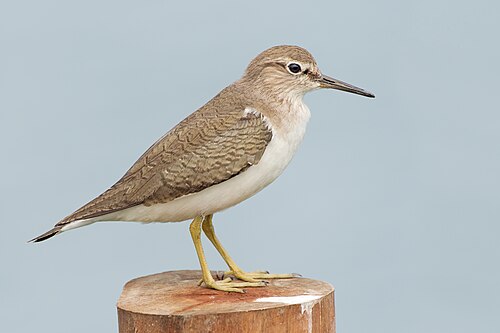
Common Sandpiper
Actitis hypoleucos

Green Sandpiper
Tringa ochropus

Eurasian Woodcock
Scolopax rusticola

Wood Sandpiper
Tringa glareola

Jack Snipe
Lymnocryptes minimus

Common Snipe
Gallinago gallinago
📅 Monthly Probability
☀️ When They're Spotted
Most active during daytime hours (6am–6pm) · across all parks (global)
Global Distribution
Where this species is recorded worldwide. Restricted to human observations from 2019 onwards — the same kind of record and the same period the probabilities on this page are built from, so collar-tracking studies, camera-trap arrays and museum specimens are excluded. Around Santa Rosa that removes 5,924 GPS fixes from a handful of tagged jaguars.
where this species is recorded (GBIF density — it tracks where observers go, not how likely a sighting is) · parks where it occurs — tap a pin for the sighting probability there
Parks Where Found
| # | Park | Country | Probability |
|---|---|---|---|
| 1 | Wadden Sea National Park | 🇩🇪 Germany | |
| 2 | Cairngorms National Park | 🇬🇧 United Kingdom | |
| 3 | Vatnajokull National Park | 🇮🇸 Iceland | |
| 4 | Fertő-Hanság National Park | 🇭🇺 Hungary | |
| 5 | Snowdonia National Park | 🇬🇧 United Kingdom | |
| 6 | Hortobágy National Park | 🇭🇺 Hungary | |
| 7 | Kiskunság National Park | 🇭🇺 Hungary | |
| 8 | Biebrza National Park | 🇵🇱 Poland | |
| 9 | Białowieża National Park | 🇵🇱 Poland | |
| 10 | Gauja National Park | 🇱🇻 Latvia | |
| 11 | Sierra de Guadarrama National Park | 🇪🇸 Spain | |
| 12 | Bavarian Forest National Park | 🇩🇪 Germany | |
| 13 | Thingvellir National Park | 🇮🇸 Iceland | |
| 14 | Gros Morne National Park | 🇨🇦 Canada | |
| 15 | Doñana National Park | 🇪🇸 Spain |
Quick answers
What are the chances of seeing a Common Gull in Gauja National Park?
About 5% of wildlife watchers report a Common Gull sighting in Gauja National Park, based on 28 days of visitor records from GBIF citizen-science data.
When is the best time to see Common Gull in Gauja National Park?
April has the highest sighting rate for Common Gull in Gauja National Park in our monthly data.